 Representative ListInscribed 2016
Description
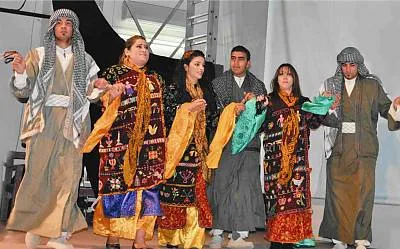
Every year in February communities in Iraq honour Alkhidr, a holy figure who, according to ancient beliefs, grants worshippers their wishes particularly those in need. In northern Iraq, during the last three days of the month, families gather on a hill where the sanctuary of Alkhidr is thought to be. Dressed in traditional clothes they enjoy specially prepared dishes and perform a popular dance called the dabkka. In the centre of Iraq, community members join on the bank of Tigris, which they believe is the sanctuary of Alkhidr. They deliver sugar, salt, henna, sweets and myrtle leaves and at night send lit candles on wood along the river, making vows for their wishes to be granted. If the candles go out before reaching the other side, the wishes are said to come true. In the south of Iraq, myrtle leaves are also brought but only one candle lit. If the candle goes out before reaching the other side, believers are encouraged to give to the poor on a Friday so their wishes are met. Younger generations learn about the practice from older family members and at school. Shared identification with the tradition has helped to build social cohesion within communities.
Country
IraqOther heritage elements in Iraq
Representative List · Inscribed 2025Arabic KohlRepresentative List · Inscribed 2025Bisht (men's Abaa): skills and practicesRepresentative List · Inscribed 2025Al-Muhaibis: social practices and traditions associated with itRepresentative List · Inscribed 2025The zaffa in the traditional weddingRepresentative List · Inscribed 2024Nawrouz, Novruz, Nowrouz, Nowrouz, Nawrouz, Nauryz, Nooruz, Nowruz, Navruz, Nevruz, Nowruz, NavruzRepresentative List · Inscribed 2024Henna: rituals, aesthetic and social practices
More Representative List elements
Inscribed 2018Chakan, embroidery art in the Republic of TajikistanInscribed 2015Aitysh/Aitys, art of improvisationInscribed 2008Palestinian HikayeInscribed 2023Dabkeh, traditional dance in PalestineInscribed 2008Cultural space of Jemaa el-Fna SquareInscribed 2025Al-Jertiq: practices, rituals and expressions for preservation, protection, abundance and fertility in Sudan
Also inscribed in 2016
- Flatbread making and sharing culture: Lavash, Katyrma, Jupka, Yufka
- Oshi Palav, a traditional meal and its social and cultural contexts in Tajikistan
- Palov culture and tradition
- Mangal Shobhajatra on Pahela Baishakh
- Tahteeb, stick game
- Yoga
Data Source: UNESCO Intangible Cultural Heritage · UNESCO listing