

 Representative ListInscribed 2025
Description
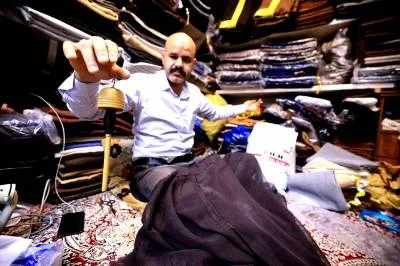
Bisht is a traditional outer garment worn by men during special occasions such as births, weddings, funerals, ceremonies and festivals. The long garment, which is worn over regular clothes, is draped over the shoulders, wrapped across the chest and held on one side, leaving the right hand free for greetings. The style varies according to the region, season and time of day, and the garment is made from natural materials such as wool and camel or goat hair.
Skilled artisans, including men and women, participate in the production process, which involves spinning, dyeing, weaving and tailoring. The edges are carefully embroidered by hand around the neckline and halfway down the garment using fine silk or gold- and silver-coated threads. The knowledge and skills involved in making, wearing and preserving the Bisht are passed down both informally within families and workshops and formally through schools and institutes specializing in arts and traditional attire. The garment holds deep social and cultural meaning for the practising communities, and is perceived as a symbol of respect, protection and, in some cases, social status and leadership. It also connects people to their cultural identity while promoting social harmony and shared cultural heritage.
Skilled artisans, including men and women, participate in the production process, which involves spinning, dyeing, weaving and tailoring. The edges are carefully embroidered by hand around the neckline and halfway down the garment using fine silk or gold- and silver-coated threads. The knowledge and skills involved in making, wearing and preserving the Bisht are passed down both informally within families and workshops and formally through schools and institutes specializing in arts and traditional attire. The garment holds deep social and cultural meaning for the practising communities, and is perceived as a symbol of respect, protection and, in some cases, social status and leadership. It also connects people to their cultural identity while promoting social harmony and shared cultural heritage.
Countries & Communities
QatarBahrainIraqJordanKuwaitOmanSaudi ArabiaSyriaUnited Arab EmiratesOther heritage elements in Qatar
Representative List · Inscribed 2025Traditional weaving of Al SaduRepresentative List · Inscribed 2024Arabic coffee, a symbol of generosityRepresentative List · Inscribed 2024Henna: rituals, aesthetic and social practicesRepresentative List · Inscribed 2022Date palm, knowledge, skills, traditions and practicesRepresentative List · Inscribed 2021Falconry, a living human heritageRepresentative List · Inscribed 2015Majlis, a cultural and social space
More Representative List elements
Inscribed 2013Traditional art of Jamdani weavingInscribed 2017Dolma making and sharing tradition, a marker of cultural identityInscribed 2025The art of breeding Turkmen alabayInscribed 2024Cultural practices related to Taif rosesInscribed 2009Ramman, religious festival and ritual theatre of the Garhwal Himalayas, IndiaInscribed 2018Pottery skills of the women of Sejnane
Also inscribed in 2025
- Traditional Saree weaving art of Tangail
- Boreendo, Bhorindo: ancient dying folk musical instrument, its melodies, knowledge, and skills
- The zaffa in the traditional wedding
- Al-Muhaibis: social practices and traditions associated with it
- Kithul Madeema/Kithul Kapeema, an ancient indigenous technology for tapping Kithul in Sri Lanka
- Culture of Sumanak/Sumalak cooking
Data Source: UNESCO Intangible Cultural Heritage · UNESCO listing