

 Representative ListInscribed 2024
Description
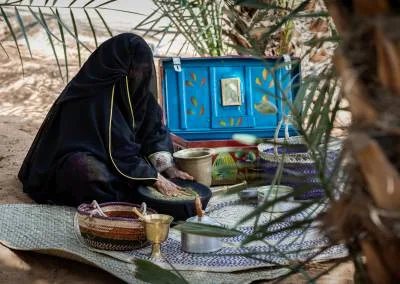
Henna is a deciduous tree that grows in hot regions. Perceived as sacred by communities in Northern Africa and the Middle East, its leaves are harvested twice a year, left to dry, then ground and processed to create a paste. The specific ingredients and techniques used to prepare the paste vary according to the intended use and country. Henna paste is commonly used by women for adornment, such as to dye hair and fingertips or to decorate hands and feet. A symbol of joy, it is used in everyday life and on festive occasions such as births and weddings. Henna branches, leaves and paste are also used in crafts and for medicinal purposes, including the treatment of certain skin diseases. Its use is frequently accompanied by oral expressions such as chants, songs, proverbs and poems, and is linked to centuries-old societal rules and traditions. This includes knowledge related to the cultivation and care of the henna tree and the preparation and application of the paste. Families and communities transmit the traditions through observation and hands-on practice. Today, organizations, beauty centres, universities and the media also contribute to their transmission. A key component of traditional events, henna rituals enhance social bonds and promote communication.
Countries & Communities
United Arab EmiratesDZBahrainEgyptIraqJordanKuwaitMauritaniaMoroccoOmanPalestineQatarSaudi ArabiaSudanTunisiaYemenOther heritage elements in United Arab Emirates
Representative List · Inscribed 2025Al Sadu, traditional weaving skills in the United Arab EmiratesRepresentative List · Inscribed 2025Arabic KohlRegister of Good Safeguarding Practices · Inscribed 2025Safeguarding programme for Al Sadu, traditional weaving skills in the United Arab EmiratesRepresentative List · Inscribed 2025Al Ahalla, a living performing art in the United Arab EmiratesRepresentative List · Inscribed 2025Bisht (men's Abaa): skills and practicesRepresentative List · Inscribed 2025The zaffa in the traditional wedding
More Representative List elements
Inscribed 2022Festivals related to the Journey of the Holy family in EgyptInscribed 2019Provision of services and hospitality during the Arba'in visitationInscribed 2022Harissa, knowledge, skills and culinary and social practicesInscribed 2019Khorazm dance, LazgiInscribed 2018Rūkada Nātya, traditional string puppet drama in Sri LankaInscribed 2021Falconry, a living human heritage
Also inscribed in 2024
- Art of crafting and playing rubab/rabab
- Tandir craftsmanship and bread baking in Azerbaijan
- Kebaya: knowledge, skills, traditions and practices
- Breakfast culture in Malaysia: dining experience in a multi-ethnic society
- Myanmar traditional New Year Atā Thingyan festival
- Traditional bagpipe (Gayda/Tulum) making and performing
Data Source: UNESCO Intangible Cultural Heritage · UNESCO listing