 Representative ListInscribed 2008
Description
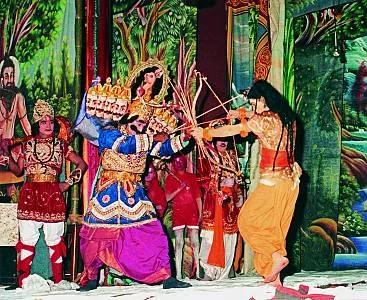
Ramlila, literally “Rama’s play”, is a performance of then Ramayana epic in a series of scenes that include song, narration, recital and dialogue. It is performed across northern India during the festival of Dussehra, held each year according to the ritual calendar in autumn. The most representative Ramlilas are those of Ayodhya, Ramnagar and Benares, Vrindavan, Almora, Sattna and Madhubani.
This staging of the Ramayana is based on the Ramacharitmanas, one of the most popular storytelling forms in the north of the country. This sacred text devoted to the glory of Rama, the hero of the Ramayana, was composed by Tulsidas in the sixteenth century in a form of Hindi in order to make the Sanskrit epic available to all. The majority of the Ramlilas recount episodes from the Ramacharitmanas through a series of performances lasting ten to twelve days, but some, such as Ramnagar’s, may last an entire month. Festivals are organized in hundreds of settlements, towns and villages during the Dussehra festival season celebrating Rama’s return from exile. Ramlila recalls the battle between Rama and Ravana and consists of a series of dialogues between gods, sages and the faithful. Ramlila’s dramatic force stems from the succession of icons representing the climax of each scene. The audience is invited to sing and take part in the narration. The Ramlila brings the whole population together, without distinction of caste, religion or age. All the villagers participate spontaneously, playing roles or taking part in a variety of related activities, such as mask- and costume making, and preparing make-up, effigies and lights. However, the development of mass media, particularly television soap operas, is leading to a reduction in the audience of the Ramlila plays, which are therefore losing their principal role of bringing people and communities together.
This staging of the Ramayana is based on the Ramacharitmanas, one of the most popular storytelling forms in the north of the country. This sacred text devoted to the glory of Rama, the hero of the Ramayana, was composed by Tulsidas in the sixteenth century in a form of Hindi in order to make the Sanskrit epic available to all. The majority of the Ramlilas recount episodes from the Ramacharitmanas through a series of performances lasting ten to twelve days, but some, such as Ramnagar’s, may last an entire month. Festivals are organized in hundreds of settlements, towns and villages during the Dussehra festival season celebrating Rama’s return from exile. Ramlila recalls the battle between Rama and Ravana and consists of a series of dialogues between gods, sages and the faithful. Ramlila’s dramatic force stems from the succession of icons representing the climax of each scene. The audience is invited to sing and take part in the narration. The Ramlila brings the whole population together, without distinction of caste, religion or age. All the villagers participate spontaneously, playing roles or taking part in a variety of related activities, such as mask- and costume making, and preparing make-up, effigies and lights. However, the development of mass media, particularly television soap operas, is leading to a reduction in the audience of the Ramlila plays, which are therefore losing their principal role of bringing people and communities together.
Country
IndiaOther heritage elements in India
Representative List · Inscribed 2025DeepavaliRepresentative List · Inscribed 2024Nawrouz, Novruz, Nowrouz, Nowrouz, Nawrouz, Nauryz, Nooruz, Nowruz, Navruz, Nevruz, Nowruz, NavruzRepresentative List · Inscribed 2023Garba of GujaratRepresentative List · Inscribed 2021Durga Puja in KolkataRepresentative List · Inscribed 2017Kumbh MelaRepresentative List · Inscribed 2016Yoga
More Representative List elements
Inscribed 2010Al-Bar’ah, music and dance of Oman Dhofari valleysInscribed 2010Ritual dramatic art of Ta‘zīyeInscribed 2022Harissa, knowledge, skills and culinary and social practicesInscribed 2021Traditional craftsmanship of making Dumbara Ratā KalālaInscribed 2008Arts of the Meddah, public storytellersInscribed 2022Festivals related to the Journey of the Holy family in Egypt
Also inscribed in 2008
- Cultural space of Boysun District
- Cultural space of Jemaa el-Fna Square
- Mask dance of the drums from Drametse
- Al-Sirah Al-Hilaliyyah epic
- Shashmaqom music
- Cultural space of the Bedu in Petra and Wadi Rum
Data Source: UNESCO Intangible Cultural Heritage · UNESCO listing