 Representative ListInscribed 2022
Description
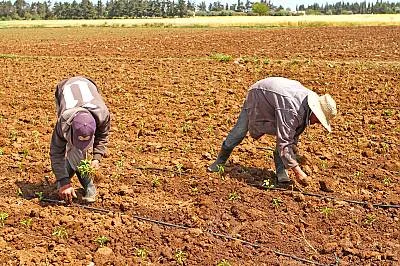
Harissa, a seasoning made with chilli pepper paste, is an integral part of domestic provisions and the daily culinary and food traditions of Tunisian society. It is usually prepared by women in a convivial and festive family or neighbourhood setting. It is prepared by drying the chilli peppers in the sun, and splitting the peppers, removing the stalks and deseeding. The chilli peppers are then washed, ground and seasoned with salt, garlic and coriander using a pestle and mortar or a manual meat mincer. The harissa is stored in glass or pottery for subsequent use. The cultivation of chilli peppers follows an agrarian calendar that prohibits sowing during certain periods, which are considered unlucky. Chillies are hung on looms and replicas are made from coral to avoid bad luck. The knowledge and skills related to chilli pepper growing are passed on within communities of farmers or through agronomy schools and institutes.
Country
TunisiaOther heritage elements in Tunisia
Representative List · Inscribed 2025Arabic KohlRepresentative List · Inscribed 2024Performing arts among the Twāyef of GhbontenRepresentative List · Inscribed 2024Henna: rituals, aesthetic and social practicesRepresentative List · Inscribed 2023Arts, skills and practices associated with engraving on metals (gold, silver and copper)Representative List · Inscribed 2022Date palm, knowledge, skills, traditions and practicesRepresentative List · Inscribed 2021Arabic calligraphy: knowledge, skills and practices
More Representative List elements
Inscribed 2012Buddhist chanting of Ladakh: recitation of sacred Buddhist texts in the trans-Himalayan Ladakh region, Jammu and Kashmir, IndiaInscribed 2024Henna: rituals, aesthetic and social practicesInscribed 2016Almezmar, drumming and dancing with sticksInscribed 2008Moussem of Tan-TanInscribed 2008Al-Sirah Al-Hilaliyyah epicInscribed 2008Baul songs
Also inscribed in 2022
- Yaldā/Chella
- Festivals related to the Journey of the Holy family in Egypt
- Al-Mansaf in Jordan, a festive banquet and its social and cultural meanings
- Date palm, knowledge, skills, traditions and practices
- Al-Khanjar, craft skills and social practices
- Crafting and playing the Oud
Data Source: UNESCO Intangible Cultural Heritage · UNESCO listing