 Representative ListInscribed 2023
Description
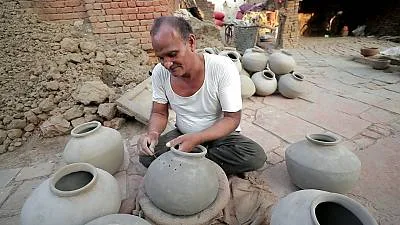
Garba is a ritualistic and devotional dance that is performed on the occasion of the Hindu festival of Navaratri, which is dedicated to the worship of the feminine energy or ‘Shakti’. The dance takes place around a perforated earthenware pot lit with an oil lamp, or an image of the mother goddess Amba. The dancers move around the centre in a counter-clockwise circle, using simple movements while singing and clapping their hands in unison. Starting with slow circular movements, the tempo slowly builds up to a frenzied whirling. The practitioners and bearers of Garba are broad and inclusive, from the dancers to the musicians, social groups, craftspeople and religious figures involved in the festivities and preparations. Garba is transmitted across generations in urban and rural areas through practice, performance, imitation, and observation. Many schools and universities offer professional courses and workshops in dance, music, costume and ornament design, landscape planning, sound and light design, all of which contribute to Garba creations. The practice is also transmitted by NGOs, government agencies, choreographers, musicians and the media. Garba fosters social equality by diluting socio-economic, gender and religious structures. It continues to be inclusive of diverse and marginalized communities, thus strengthening social bonds.
Country
IndiaOther heritage elements in India
Representative List · Inscribed 2025DeepavaliRepresentative List · Inscribed 2024Nawrouz, Novruz, Nowrouz, Nowrouz, Nawrouz, Nauryz, Nooruz, Nowruz, Navruz, Nevruz, Nowruz, NavruzRepresentative List · Inscribed 2021Durga Puja in KolkataRepresentative List · Inscribed 2017Kumbh MelaRepresentative List · Inscribed 2016YogaRepresentative List · Inscribed 2014Traditional brass and copper craft of utensil making among the Thatheras of Jandiala Guru, Punjab, India
More Representative List elements
Inscribed 2024Cultural practices related to Taif rosesInscribed 2025The zaffa in the traditional weddingInscribed 2014Traditional art and symbolism of Kelaghayi, making and wearing women’s silk headscarvesInscribed 2025Al Sadu, traditional weaving skills in the United Arab EmiratesInscribed 2008Iraqi MaqamInscribed 2020Art of miniature
Also inscribed in 2023
- Traditional knowledge, methods and practices concerning olive cultivation
- Procession and celebrations of Prophet Mohammed's birthday in Sudan
- Art of Akhal-Teke horse breeding and traditions of horses' decoration
- Harees dish: know-how, skills and practices
- Ceramic arts in Uzbekistan
- Craftsmanship of mother of pearl inlay
Data Source: UNESCO Intangible Cultural Heritage · UNESCO listing