 Representative ListInscribed 2025
Description
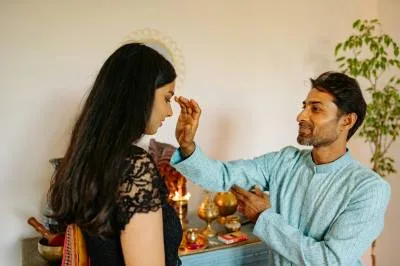
Deepavali, also known as Diwali, is a light festival celebrated annually by diverse individuals and communities across India, that marks the last harvest of the year and the start of a new year and new season. Based on the lunar calendar, it falls on the new moon in October or November and lasts several days. It is a joyous occasion that symbolizes the victory of light over darkness and good over evil. During this time, people clean and decorate their homes and public spaces, light lamps and candles, set off fireworks, and offer prayers for prosperity and new beginnings.
Deepavali is a time for people, families and communities to come together to exchange gifts and sweets, share meals, and celebrate with music, dance and rituals. The practice involves people of all ages, genders and backgrounds. It is passed on informally within families and communities, with elders teaching children how to perform rituals and prepare for the celebrations through stories and hands-on participation. Temples, schools, cultural organizations and digital platforms also play a role in transmitting and safeguarding the practice. A vibrant expression of shared heritage and identity, Deepavali strengthens social bonds, promotes inclusivity, and encourages values such as kindness, gratitude and hope. It also supports local economies and creative expression.
Deepavali is a time for people, families and communities to come together to exchange gifts and sweets, share meals, and celebrate with music, dance and rituals. The practice involves people of all ages, genders and backgrounds. It is passed on informally within families and communities, with elders teaching children how to perform rituals and prepare for the celebrations through stories and hands-on participation. Temples, schools, cultural organizations and digital platforms also play a role in transmitting and safeguarding the practice. A vibrant expression of shared heritage and identity, Deepavali strengthens social bonds, promotes inclusivity, and encourages values such as kindness, gratitude and hope. It also supports local economies and creative expression.
Country
IndiaOther heritage elements in India
Representative List · Inscribed 2024Nawrouz, Novruz, Nowrouz, Nowrouz, Nawrouz, Nauryz, Nooruz, Nowruz, Navruz, Nevruz, Nowruz, NavruzRepresentative List · Inscribed 2023Garba of GujaratRepresentative List · Inscribed 2021Durga Puja in KolkataRepresentative List · Inscribed 2017Kumbh MelaRepresentative List · Inscribed 2016YogaRepresentative List · Inscribed 2014Traditional brass and copper craft of utensil making among the Thatheras of Jandiala Guru, Punjab, India
More Representative List elements
Inscribed 2024Art of crafting and playing rubab/rababInscribed 2025Traditional Saree weaving art of TangailInscribed 2022Al Talli, traditional embroidery skills in the United Arab EmiratesInscribed 2022Pehlevanliq culture: traditional zorkhana games, sports and wrestlingInscribed 2010Music of the Bakhshis of KhorasanInscribed 2019Provision of services and hospitality during the Arba'in visitation
Also inscribed in 2025
- Traditional Saree weaving art of Tangail
- Boreendo, Bhorindo: ancient dying folk musical instrument, its melodies, knowledge, and skills
- The zaffa in the traditional wedding
- Al-Muhaibis: social practices and traditions associated with it
- Bisht (men's Abaa): skills and practices
- Kithul Madeema/Kithul Kapeema, an ancient indigenous technology for tapping Kithul in Sri Lanka
Data Source: UNESCO Intangible Cultural Heritage · UNESCO listing