 Representative ListInscribed 2008
Description
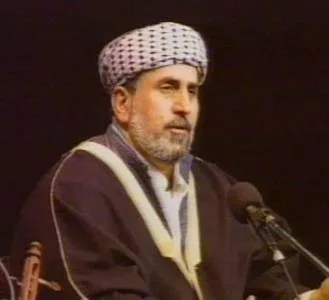
Widely recognized as Iraq’s predominant classical music tradition, the Maqam encompasses a vast repertory of songs, accompanied by traditional instruments. Moreover, this popular genre provides a wealth of information on the musical history of the region and the Arab influences that have held sway over the centuries.
The Iraqi Maqam is closely linked, in structure and instrumentation, to the family of traditional musical forms practiced in Iran, Azerbaijan and Uzbekistan. The Iraqi Maqam embraces numerous genres and primary melodic modes. It features improvisational vocal segments that sometimes use metric accompaniment and often lead to a medley of strophic songs. The skilful improvisation of the lead vocalist (qari’) creates an intricate interplay with the orchestra (tshalghi) that provides accompaniment throughout the performance. Typical instruments include the board cither santur, a four-string spike fiddle (jawzah), a low-pitched hand-drum (dumbak) and a small tambourine (daff). Maqam performances generally take place at private gatherings and in coffee-houses and theatres. With a repertory rooted in classical and colloquial Arabic poetry, the Maqam is highly revered by musicians and scholars, but also by the Iraqi population at large.
While many Arab musical styles in the region have either disappeared or become westernized, the Iraqi Maqam has remained largely intact, in particular retaining its ornate vocal technique and improvisational character.
Due to the current political situation, Maqam concerts are less frequently held in front of large audiences and more often limited to performances in private settings. However, the numerous live concerts and recordings of Iraqi Maqam abroad bear witness to its continuing success and popularity.
The Iraqi Maqam is closely linked, in structure and instrumentation, to the family of traditional musical forms practiced in Iran, Azerbaijan and Uzbekistan. The Iraqi Maqam embraces numerous genres and primary melodic modes. It features improvisational vocal segments that sometimes use metric accompaniment and often lead to a medley of strophic songs. The skilful improvisation of the lead vocalist (qari’) creates an intricate interplay with the orchestra (tshalghi) that provides accompaniment throughout the performance. Typical instruments include the board cither santur, a four-string spike fiddle (jawzah), a low-pitched hand-drum (dumbak) and a small tambourine (daff). Maqam performances generally take place at private gatherings and in coffee-houses and theatres. With a repertory rooted in classical and colloquial Arabic poetry, the Maqam is highly revered by musicians and scholars, but also by the Iraqi population at large.
While many Arab musical styles in the region have either disappeared or become westernized, the Iraqi Maqam has remained largely intact, in particular retaining its ornate vocal technique and improvisational character.
Due to the current political situation, Maqam concerts are less frequently held in front of large audiences and more often limited to performances in private settings. However, the numerous live concerts and recordings of Iraqi Maqam abroad bear witness to its continuing success and popularity.
Country
IraqOther heritage elements in Iraq
Representative List · Inscribed 2025Arabic KohlRepresentative List · Inscribed 2025Bisht (men's Abaa): skills and practicesRepresentative List · Inscribed 2025Al-Muhaibis: social practices and traditions associated with itRepresentative List · Inscribed 2025The zaffa in the traditional weddingRepresentative List · Inscribed 2024Nawrouz, Novruz, Nowrouz, Nowrouz, Nawrouz, Nauryz, Nooruz, Nowruz, Navruz, Nevruz, Nowruz, NavruzRepresentative List · Inscribed 2024Henna: rituals, aesthetic and social practices
More Representative List elements
Inscribed 2016YogaInscribed 2023Rickshaws and rickshaw painting in DhakaInscribed 2009KaragözInscribed 2010Al-Bar’ah, music and dance of Oman Dhofari valleysInscribed 2020Traditional intelligence and strategy game: Togyzqumalaq, Toguz Korgool, Mangala/GöçürmeInscribed 2024The Epic of Samba Gueladio
Also inscribed in 2008
- Cultural space of Boysun District
- Cultural space of Jemaa el-Fna Square
- Mask dance of the drums from Drametse
- Al-Sirah Al-Hilaliyyah epic
- Shashmaqom music
- Ramlila, the traditional performance of the Ramayana
Data Source: UNESCO Intangible Cultural Heritage · UNESCO listing