 Representative ListInscribed 2023
Description
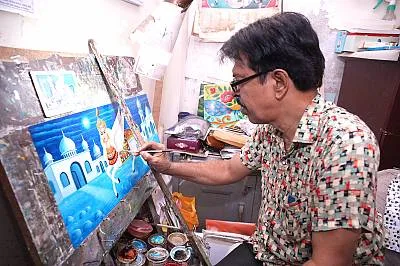
The rickshaw is a small, three-wheeled passenger vehicle that is pulled by one person. It is a recognized feature of Dhaka and Bangladesh as a whole. Traditionally made by hand by a small group of craftsmen, almost every part of a rickshaw is painted with colourful floral patterns, natural imagery, birds and animals, creative depictions of historical events, fables, national heroes, movie stars and text. Rickshaws are also decorated extensively with tassels, plastic flowers and tinsel. As they are slow-moving vehicles, the paintings and decorations are easily visible to onlookers, thus becoming a roving exhibition. Decorated rickshaws are emblematic of urban life in Dhaka, resulting in exhibitions and festive events and often featuring in films and other artworks. The traditional process of fashioning rickshaws is transmitted by craftsmen in rickshaw workshops, orally and through hands-on training. Rickshaw painting artists work on commission and usually pass on their knowledge and skills to their children and close relatives. While all rickshaw craftsmen are men, painters include men and women. Rickshaws and rickshaw painting are viewed as a key part of the city’s cultural tradition and a dynamic form of urban folk art, providing inhabitants with a sense of shared identity and continuity.
Country
BangladeshOther heritage elements in Bangladesh
Representative List · Inscribed 2025Traditional Saree weaving art of TangailRepresentative List · Inscribed 2017Traditional art of Shital Pati weaving of SylhetRepresentative List · Inscribed 2016Mangal Shobhajatra on Pahela BaishakhRepresentative List · Inscribed 2013Traditional art of Jamdani weavingRepresentative List · Inscribed 2008Baul songs
More Representative List elements
Inscribed 2012Mesir Macunu festivalInscribed 2013Sankirtana, ritual singing, drumming and dancing of ManipurInscribed 2023Sadeh/Sada celebrationInscribed 2021FalakInscribed 2024Tradition of Nabulsi soap making in PalestineInscribed 2025The art of breeding Turkmen alabay
Also inscribed in 2023
- Traditional knowledge, methods and practices concerning olive cultivation
- Procession and celebrations of Prophet Mohammed's birthday in Sudan
- Art of Akhal-Teke horse breeding and traditions of horses' decoration
- Harees dish: know-how, skills and practices
- Ceramic arts in Uzbekistan
- Craftsmanship of mother of pearl inlay
Data Source: UNESCO Intangible Cultural Heritage · UNESCO listing