

 Representative ListInscribed 2022
Description
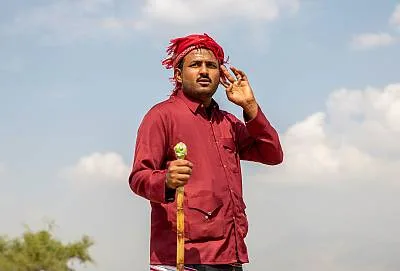
Alheda’a is an oral polyphonic expression accompanied by gestures or musical instruments played by herders to communicate with their camels. The rhythmic expression is inspired by poetry, and the herder uses a unique repository of sounds that the camels have become accustomed to in order to direct herds through the desert or pasture to an area for drinking, feeding and milking preparation. Alheda’a can also be used for swift assembly in case of immediate danger such as sandstorms. Herders train their camels to recognize the difference between right and left, to open their mouths when asked, and to kneel down to be ridden. The practice creates a strong bond between the camels and their herders, as well as among the herders themselves. It is transmitted within families and communities, with children accompanying adult family members on daily trips.
Countries & Communities
Saudi ArabiaOmanUnited Arab EmiratesOther heritage elements in Saudi Arabia
Representative List · Inscribed 2025Arabic KohlRepresentative List · Inscribed 2025Traditional weaving of Al SaduRepresentative List · Inscribed 2025Bisht (men's Abaa): skills and practicesRepresentative List · Inscribed 2024Semsemiah: instrument crafting and playingRepresentative List · Inscribed 2024Arabic coffee, a symbol of generosityRepresentative List · Inscribed 2024Cultural practices related to Taif roses
More Representative List elements
Inscribed 2025The zaffa in the traditional weddingInscribed 2014Argan, practices and know-how concerning the argan treeInscribed 2025PantunInscribed 2022Harissa, knowledge, skills and culinary and social practicesInscribed 2021The art of embroidery in Palestine, practices, skills, knowledge and ritualsInscribed 2013Kyrgyz epic trilogy: Manas, Semetey, Seytek
Also inscribed in 2022
- Yaldā/Chella
- Festivals related to the Journey of the Holy family in Egypt
- Al-Mansaf in Jordan, a festive banquet and its social and cultural meanings
- Harissa, knowledge, skills and culinary and social practices
- Date palm, knowledge, skills, traditions and practices
- Al-Khanjar, craft skills and social practices
Data Source: UNESCO Intangible Cultural Heritage · UNESCO listing