
 Representative ListInscribed 2022
Description
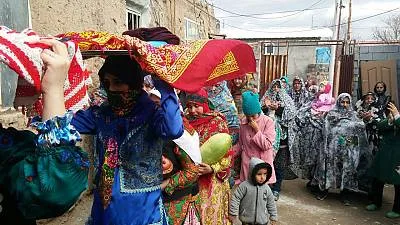
Yaldā/Chella refers to a traditional celebration of the sun and the warmth of life. Practiced in Iran and Afghanistan, the event takes place on the last night of autumn, when families gather at the houses of elders and sit around a table adorned with a series of symbolic objects and foods: a lamp to symbolize light, water to represent cleanliness, and red fruits such as pomegranates, watermelons, beetroots, jujube and grapes to symbolize warmth. Broth, sweets, dried fruits and nuts that are used specifically for the occasion are also set on the table and consumed during the gathering. Activities range from reciting poetry and storytelling to playing games and music and giving gifts to new in-laws, brides and children. The event celebrates cultural identity, nature, respect for women, friendship, hospitality, cultural diversity and peaceful coexistence. It is transmitted informally within families, although radio and television programmes, publications, social media and educational materials have also played an important role in transmitting the practice in recent years. Events, conferences, trainings, workshops and awareness-raising activities carried out by research centres, NGOs, cultural organizations and educational institutes have also had a significant impact on the proper transmission of the element to future generations.
Countries & Communities
IranAfghanistanOther heritage elements in Iran
Representative List · Inscribed 2025Ayeneh-Kari, the art of mirror-work in Persian architectureRepresentative List · Inscribed 2024Nawrouz, Novruz, Nowrouz, Nowrouz, Nawrouz, Nauryz, Nooruz, Nowruz, Navruz, Nevruz, Nowruz, NavruzRepresentative List · Inscribed 2024Ceremony of MehreganRepresentative List · Inscribed 2024Art of crafting and playing rubab/rababRepresentative List · Inscribed 2023Iftar/Eftari/Iftar/Iftor and its socio-cultural traditionsRepresentative List · Inscribed 2023Art of illumination: Təzhib/Tazhib/Zarhalkori/Tezhip/Naqqoshlik
More Representative List elements
Inscribed 2019Ak-kalpak craftsmanship, traditional knowledge and skills in making and wearing Kyrgyz men’s headwearInscribed 2018Heritage of Dede Qorqud/Korkyt Ata/Dede Korkut, epic culture, folk tales and musicInscribed 2022Sericulture and traditional production of silk for weavingInscribed 2025Koshary, daily life dish and practices associated with itInscribed 2020Camel racing, a social practice and a festive heritage associated with camelsInscribed 2010Ritual dramatic art of Ta‘zīye
Also inscribed in 2022
- Festivals related to the Journey of the Holy family in Egypt
- Al-Mansaf in Jordan, a festive banquet and its social and cultural meanings
- Harissa, knowledge, skills and culinary and social practices
- Date palm, knowledge, skills, traditions and practices
- Al-Khanjar, craft skills and social practices
- Crafting and playing the Oud
Data Source: UNESCO Intangible Cultural Heritage · UNESCO listing