 Representative ListInscribed 2014
Description
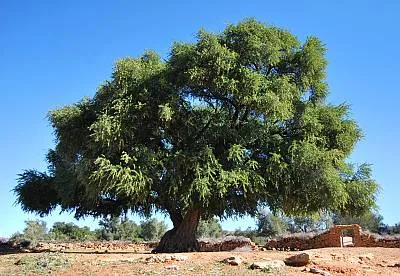
The argan tree is an endemic woodland species found in the Arganeraie Biosphere Reserve in south-west Morocco. Rural women and, to a lesser extent, men living in the reserve practise traditional methods to extract argan oil from the fruit of the tree. Different tasks, transmitted by means of imitation and through non-formal education, are required to obtain the oil, which has multiple uses for cooking, medicines and cosmetics. These include harvesting the fruit, drying, pulping, grinding, sorting, milling and mixing. The specific hand mill is manufactured by local craftspeople, and the mixing involves the gradual addition of warm water in exact quantities. All the cultural aspects of the argan tree, including the cultivation of the tree, oil extraction, the preparation of recipes and derived products, and the crafting of traditional tools for the various tasks, contribute to social cohesion, understanding between individuals and mutual respect between communities. Argan oil is given as a wedding gift and is used extensively in the preparation of festive dishes. Traditional know-how specific to the extraction of the oil and its multiple uses is systematically transmitted by ‘argan women’, who teach their daughters from a young age to put it into practice.
Country
MoroccoOther heritage elements in Morocco
Representative List · Inscribed 2025Moroccan Caftan: art, traditions and skillsRepresentative List · Inscribed 2024Henna: rituals, aesthetic and social practicesRepresentative List · Inscribed 2023Malhun, a popular poetic and musical artRepresentative List · Inscribed 2023Arts, skills and practices associated with engraving on metals (gold, silver and copper)Representative List · Inscribed 2022Date palm, knowledge, skills, traditions and practicesRepresentative List · Inscribed 2021Tbourida
More Representative List elements
Inscribed 2016Oshi Palav, a traditional meal and its social and cultural contexts in TajikistanInscribed 2013Traditional art of Jamdani weavingInscribed 2025Al-Jertiq: practices, rituals and expressions for preservation, protection, abundance and fertility in SudanInscribed 2024Ceremony of MehreganInscribed 2015Al-Razfa, a traditional performing artInscribed 2022Al-Khanjar, craft skills and social practices
Also inscribed in 2014
- Al-Ayyala, a traditional performing art of the Sultanate of Oman and the United Arab Emirates
- Askiya, the art of wit
- Traditional brass and copper craft of utensil making among the Thatheras of Jandiala Guru, Punjab, India
- Traditional art and symbolism of Kelaghayi, making and wearing women’s silk headscarves
- Al-Zajal, recited or sung poetry
- Ebru, Turkish art of marbling
Data Source: UNESCO Intangible Cultural Heritage · UNESCO listing