 Representative ListInscribed 2022
Description
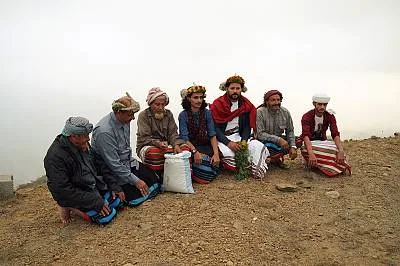
The cultivation of Khawlani coffee beans begins by planting the seeds in mesh bags filled with soil and stored in a shaded area for three to four months. They are then transferred to agricultural terraces that conserve water and soil. The fruit grows two to three years after planting. It is harvested by hand and laid out to dry. To extract the bean, the dried fruits are placed on a large, flat stone mill, and a cylindrical stone hulls them to prevent cracking, separating the bean from the outer shell. Khawlani tribes have been cultivating coffee beans for over 300 years, passing on the skills and techniques to younger generations. Coffee is viewed as a symbol of generosity in Saudi Arabia and serving guests the coffee beans harvested from one’s own farms is considered a sign of honour and respect. The planting and processing of Khawlani coffee beans encourage social cohesion and provide a sense of shared identity, with farmers gathering to exchange knowledge and help other farmers improve their skills.
Country
Saudi ArabiaOther heritage elements in Saudi Arabia
Representative List · Inscribed 2025Arabic KohlRepresentative List · Inscribed 2025Traditional weaving of Al SaduRepresentative List · Inscribed 2025Bisht (men's Abaa): skills and practicesRepresentative List · Inscribed 2024Semsemiah: instrument crafting and playingRepresentative List · Inscribed 2024Arabic coffee, a symbol of generosityRepresentative List · Inscribed 2024Cultural practices related to Taif roses
More Representative List elements
Inscribed 2020Ong Chun/Wangchuan/Wangkang ceremony, rituals and related practices for maintaining the sustainable connection between man and the oceanInscribed 2013Sankirtana, ritual singing, drumming and dancing of ManipurInscribed 2012Qālišuyān rituals of Mašhad-e Ardehāl in KāšānInscribed 2019Provision of services and hospitality during the Arba'in visitationInscribed 2008Mak Yong theatreInscribed 2018Horse and camel Ardhah
Also inscribed in 2022
- Yaldā/Chella
- Festivals related to the Journey of the Holy family in Egypt
- Al-Mansaf in Jordan, a festive banquet and its social and cultural meanings
- Harissa, knowledge, skills and culinary and social practices
- Date palm, knowledge, skills, traditions and practices
- Al-Khanjar, craft skills and social practices
Data Source: UNESCO Intangible Cultural Heritage · UNESCO listing