 Representative ListInscribed 2025
Description
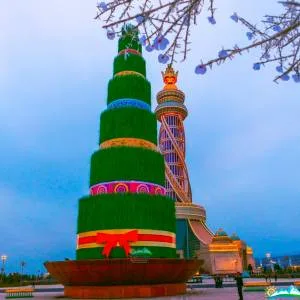
Sumanak is a special dish traditionally prepared during the Navruz festival. It is made from sprouted wheat, butter and flour, symbolizing the awakening of nature and rebirth. The wheat sprouts, called ‘sabza’, represent new life in spring. The process involves washing, roasting and crushing the wheat, and then boiling the juice for up to ten hours. There are several types of sumanak, each with slight variations in terms of their preparation. The making of sumanak is a communal activity, usually carried out by a group of women who take turns stirring the pot while singing traditional songs and dancing.
Men help prepare sumanak by lighting the fire and carrying heavy items. The dish is cooked in large cauldrons and is shared with many people. The knowledge and skills related to sumanak are passed down within families and through schools and cultural events. People also share recipes and recordings online, keeping the tradition alive. For the practising communities, sumanak is associated with celebration, unity, good fortune and prosperity. As a vitamin- and nutrient-rich dish, it contributes to good health and well-being, especially for children and pregnant women. By bringing people together to prepare and share the dish, sumanak also strengthens social bonds and fosters inclusion.
Men help prepare sumanak by lighting the fire and carrying heavy items. The dish is cooked in large cauldrons and is shared with many people. The knowledge and skills related to sumanak are passed down within families and through schools and cultural events. People also share recipes and recordings online, keeping the tradition alive. For the practising communities, sumanak is associated with celebration, unity, good fortune and prosperity. As a vitamin- and nutrient-rich dish, it contributes to good health and well-being, especially for children and pregnant women. By bringing people together to prepare and share the dish, sumanak also strengthens social bonds and fosters inclusion.
Country
TajikistanOther heritage elements in Tajikistan
Representative List · Inscribed 2024Nawrouz, Novruz, Nowrouz, Nowrouz, Nawrouz, Nauryz, Nooruz, Nowruz, Navruz, Nevruz, Nowruz, NavruzRepresentative List · Inscribed 2024Ceremony of MehreganRepresentative List · Inscribed 2024Art of crafting and playing rubab/rababRepresentative List · Inscribed 2023Art of illumination: Təzhib/Tazhib/Zarhalkori/Tezhip/NaqqoshlikRepresentative List · Inscribed 2023Traditional knowledge and skills of production of the atlas and adras fabricsRepresentative List · Inscribed 2023Sadeh/Sada celebration
More Representative List elements
Inscribed 2008Art of Akyns, Kyrgyz epic tellersInscribed 2012Craftsmanship and performance art of the Tar, a long-necked string musical instrumentInscribed 2023Al-Man’ouché, an emblematic culinary practice in LebanonInscribed 2021Falconry, a living human heritageInscribed 2019GnawaInscribed 2023Iftar/Eftari/Iftar/Iftor and its socio-cultural traditions
Also inscribed in 2025
- Traditional Saree weaving art of Tangail
- Boreendo, Bhorindo: ancient dying folk musical instrument, its melodies, knowledge, and skills
- The zaffa in the traditional wedding
- Al-Muhaibis: social practices and traditions associated with it
- Bisht (men's Abaa): skills and practices
- Kithul Madeema/Kithul Kapeema, an ancient indigenous technology for tapping Kithul in Sri Lanka
Data Source: UNESCO Intangible Cultural Heritage · UNESCO listing