 Representative ListInscribed 2014
Description
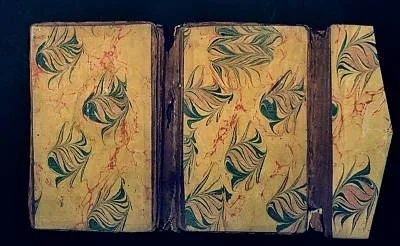
Ebru is the traditional Turkish art of creating colourful patterns by sprinkling and brushing colour pigments onto a pan of oily water and then transferring the patterns to paper. Known as marbling, the designs and effects include flowers, foliage, ornamentation, latticework, mosques and moons, and are used for decoration in the traditional art of bookbinding. The practitioner uses natural methods to extract colours from natural pigments, which are then mixed with a few drops of ox-gall, a kind of natural acid, before sprinkling and brushing the colours onto a preparation of condensed liquid, where they float and form swirling patterns. Ebru artists, apprentices and practitioners consider their art to be an integral part of their traditional culture, identity and lifestyle. Their knowledge and skills, as well as the philosophy behind this art, are transmitted orally and through informal practical training within master-apprentice relationships. Achieving basic skills in Ebru takes at least two years. The tradition is practised without barrier of age, gender or ethnicity, and plays a significant role in the empowerment of women and the improvement of community relationships. The collective art of Ebru encourages dialogue through friendly conversation, reinforces social ties and strengthens relations between individuals and communities.
Country
TurkeyOther heritage elements in Turkey
Representative List · Inscribed 2025Antep İşi, drawn thread embroidery of GaziantepRepresentative List · Inscribed 2024Nawrouz, Novruz, Nowrouz, Nowrouz, Nawrouz, Nauryz, Nooruz, Nowruz, Navruz, Nevruz, Nowruz, NavruzRepresentative List · Inscribed 2024Traditional bagpipe (Gayda/Tulum) making and performingRepresentative List · Inscribed 2023Craftsmanship and performing art of balaban/meyRepresentative List · Inscribed 2023Iftar/Eftari/Iftar/Iftor and its socio-cultural traditionsRepresentative List · Inscribed 2023Art of illumination: Təzhib/Tazhib/Zarhalkori/Tezhip/Naqqoshlik
More Representative List elements
Inscribed 2011Ceremonial Keşkek traditionInscribed 2013Sankirtana, ritual singing, drumming and dancing of ManipurInscribed 2025Al-Mihrass tree: knowledge, skills and rituals associated with itInscribed 2017Chogān, a horse-riding game accompanied by music and storytellingInscribed 2025Hadrami Dan gatheringInscribed 2017Dolma making and sharing tradition, a marker of cultural identity
Also inscribed in 2014
- Al-Ayyala, a traditional performing art of the Sultanate of Oman and the United Arab Emirates
- Askiya, the art of wit
- Traditional brass and copper craft of utensil making among the Thatheras of Jandiala Guru, Punjab, India
- Argan, practices and know-how concerning the argan tree
- Traditional art and symbolism of Kelaghayi, making and wearing women’s silk headscarves
- Al-Zajal, recited or sung poetry
Data Source: UNESCO Intangible Cultural Heritage · UNESCO listing