

 Representative ListInscribed 2023
Description
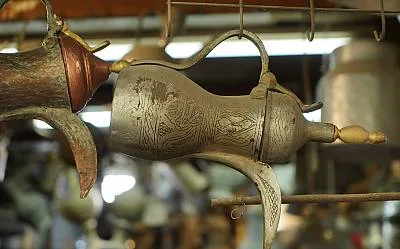
Engraving on metals such as gold, silver and copper is a centuries-old practice that entails manually cutting words, symbols or patterns into the surfaces of decorative, utilitarian, religious or ceremonial objects. The craftsperson uses different tools to manually cut symbols, names, Quran verses, prayers and geometric patterns into the objects. Engravings can be concave (recessed) or convex (elevated), or the result of a combination of different types of metals, such as gold and silver. Their social and symbolic meanings and functions vary according to the communities concerned. Engraved objects, such as jewelry or household objects, are often presented as traditional gifts for weddings or used in religious rituals and alternative medicine. For instance, certain types of metals are believed to have healing properties. Engraving on metals is transmitted within families, through observation and hands-on practice. It is also transmitted through workshops organized by training centres, organizations and universities, among others. Publications, cultural events and social media further contribute to the transmission of the related knowledge and skills. Practised by people of all ages and genders, metal engraving and the use of engraved objects are means of expressing the cultural, religious and geographical identity and the socioeconomic status of the communities concerned.
Countries & Communities
IraqDZEgyptMauritaniaMoroccoPalestineSaudi ArabiaSudanTunisiaYemenOther heritage elements in Iraq
Representative List · Inscribed 2025Arabic KohlRepresentative List · Inscribed 2025Bisht (men's Abaa): skills and practicesRepresentative List · Inscribed 2025Al-Muhaibis: social practices and traditions associated with itRepresentative List · Inscribed 2025The zaffa in the traditional weddingRepresentative List · Inscribed 2024Nawrouz, Novruz, Nowrouz, Nowrouz, Nawrouz, Nauryz, Nooruz, Nowruz, Navruz, Nevruz, Nowruz, NavruzRepresentative List · Inscribed 2024Henna: rituals, aesthetic and social practices
More Representative List elements
Inscribed 2016Flatbread making and sharing culture: Lavash, Katyrma, Jupka, YufkaInscribed 2023Art of illumination: Təzhib/Tazhib/Zarhalkori/Tezhip/NaqqoshlikInscribed 2019GnawaInscribed 2017Chogān, a horse-riding game accompanied by music and storytellingInscribed 2024Craftsmanship of Aleppo Ghar soapInscribed 2019Ak-kalpak craftsmanship, traditional knowledge and skills in making and wearing Kyrgyz men’s headwear
Also inscribed in 2023
- Traditional knowledge, methods and practices concerning olive cultivation
- Procession and celebrations of Prophet Mohammed's birthday in Sudan
- Art of Akhal-Teke horse breeding and traditions of horses' decoration
- Harees dish: know-how, skills and practices
- Ceramic arts in Uzbekistan
- Craftsmanship of mother of pearl inlay
Data Source: UNESCO Intangible Cultural Heritage · UNESCO listing