UNESCO Intangible Cultural Heritage List: 849 Elements Across 157 Countries
UNESCO’s intangible cultural heritage lists contain 849 elements across 157 countries as of December 2025 — the result of seventeen annual sessions of the Intergovernmental Committee for the Safeguarding of the Intangible Cultural Heritage since the first inscriptions in 2008. The list is organized across three registers: the Representative List of the Intangible Cultural Heritage of Humanity (the largest, covering the majority of inscriptions), the List of Intangible Cultural Heritage in Need of Urgent Safeguarding (practices at risk of disappearance), and the Register of Good Safeguarding Practices (successful preservation programs). The UNESCO Intergovernmental Committee meets annually to examine nominations submitted by the 181 state parties to the 2003 Convention for the Safeguarding of the Intangible Cultural Heritage. At its 20th session in New Delhi, India (December 8–13, 2025), the Committee inscribed 67 additional elements — the largest session to date — bringing the cumulative total to 849.
- As of December 2025, UNESCO’s intangible cultural heritage lists contain 849 elements across 157 countries — drawn from 5 geographic regions (Africa, Arab States, Asia and the Pacific, Europe and North America, Latin America and the Caribbean).
- China leads all countries with 44 inscribed ICH elements on the UNESCO lists — including Peking Opera (2010), Taijiquan (2020), the Spring Festival (2025), traditional tea processing (2022), and the Twenty-Four Solar Terms (2016).
- The Representative List (the largest of the three) is not an “at-risk” registry — its purpose is to raise awareness of the diversity of living heritage. The Urgent Safeguarding List is reserved for practices that require emergency measures to survive.
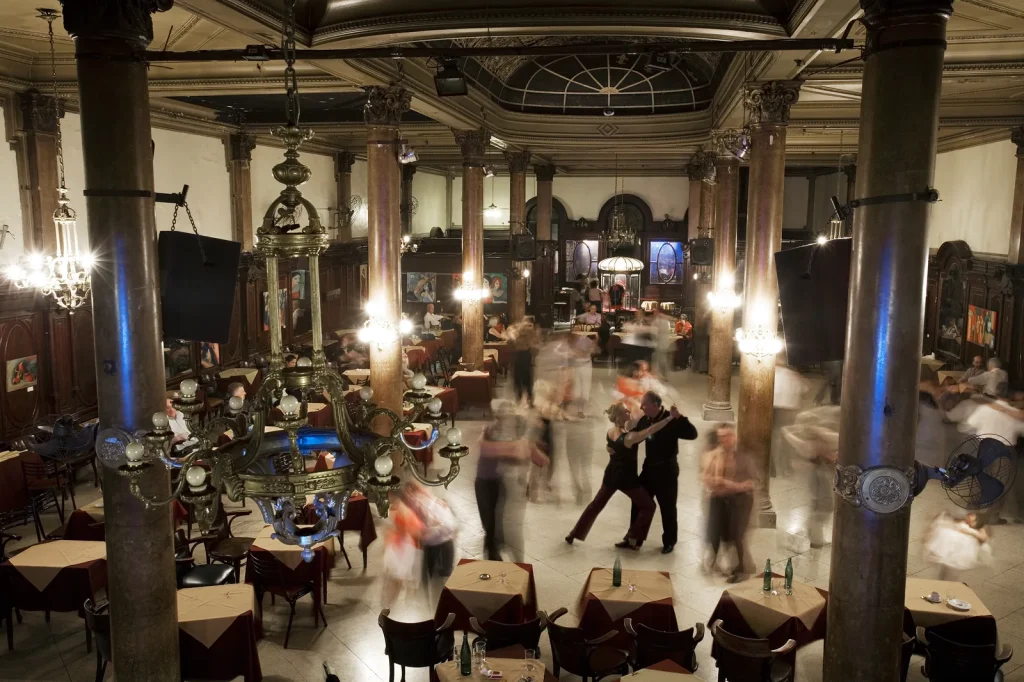
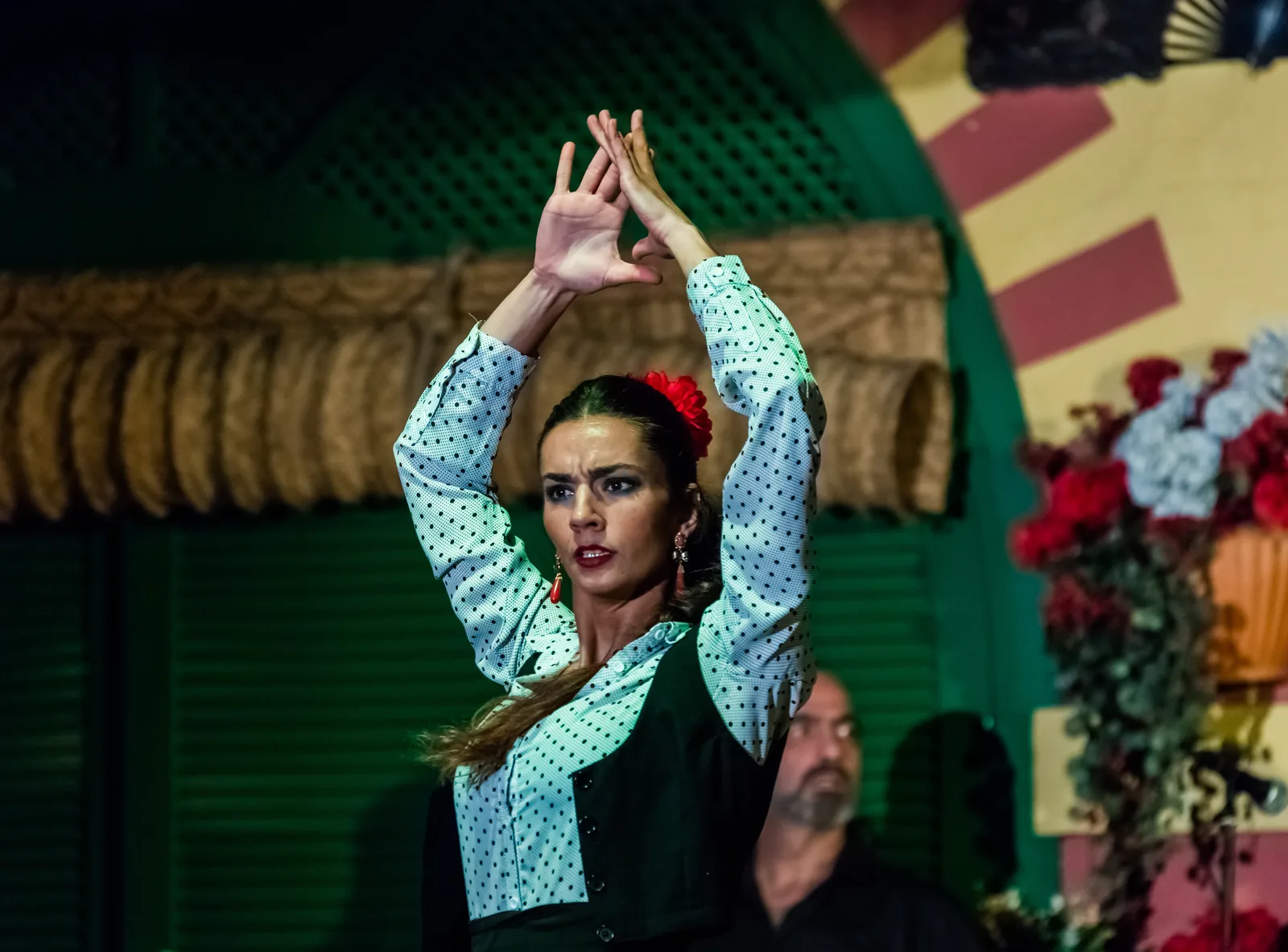
- The most internationally recognized inscriptions include: Tango (File 00258, Argentina/Uruguay, 2009), Flamenco (File 00363, Spain, 2010), Reggae (File 01398, Jamaica, 2018), Yoga (File 01163, India, 2016), and the Mediterranean diet (File 00884, 7 nations, 2013).
- The 2025 session (New Delhi) was the largest ICH Committee session to date — over 1,400 participants, 67 elements examined, 9 multinational inscriptions, and first-ever inscriptions for 7 countries: Barbados, Chad, Comoros, El Salvador, Gabon, Libya, and São Tomé and Príncipe.
The Three UNESCO ICH Lists: Representative List, Urgent Safeguarding List, and Good Practices Register
The Representative List of the Intangible Cultural Heritage of Humanity is the most prominent of the three registers — and the most commonly referenced when people search for “the UNESCO intangible heritage list.” Its purpose, as defined in Article 16 of the 2003 Convention, is not to identify the most endangered or most important practices but to ensure “better visibility of the intangible cultural heritage and awareness of its significance.” Inscription on the Representative List carries symbolic recognition rather than emergency status. As of December 2025, it comprises the large majority of the 849 total elements. Practices on this list span all five of UNESCO’s ICH domains: oral traditions and expressions, performing arts, social practices, knowledge and practices concerning nature and the universe, and traditional craftsmanship. For the authoritative searchable database, ich.unesco.org/en/lists provides filtering by country, region, year, domain, and inscription type.
The List of Intangible Cultural Heritage in Need of Urgent Safeguarding (the Urgent Safeguarding List) — defined under Article 17 of the 2003 Convention — is reserved for practices that communities and governments consider to be at immediate risk of disappearance, requiring emergency intervention. Inscription triggers access to the International Fund for the Safeguarding of the Intangible Cultural Heritage. The 2025 session added 11 elements to this list, including Pakistan’s Boreendo clay wind instrument, the Philippines’ Asin Tibuok artisanal sea salt production, Paraguay’s Ñai’ũpo ceramic craftsmanship, Portugal’s moliceiro wooden boat tradition, and Albania’s lahuta epic singing — all practices with very small communities of practitioners facing disruption from modernization, displacement, or cultural marginalization. The Register of Good Safeguarding Practices — a third, smaller catalogue — recognizes programs, projects, and activities for safeguarding intangible heritage that best reflect the principles and objectives of the 2003 Convention; it serves as a model repository for other governments designing their own ICH protection frameworks.
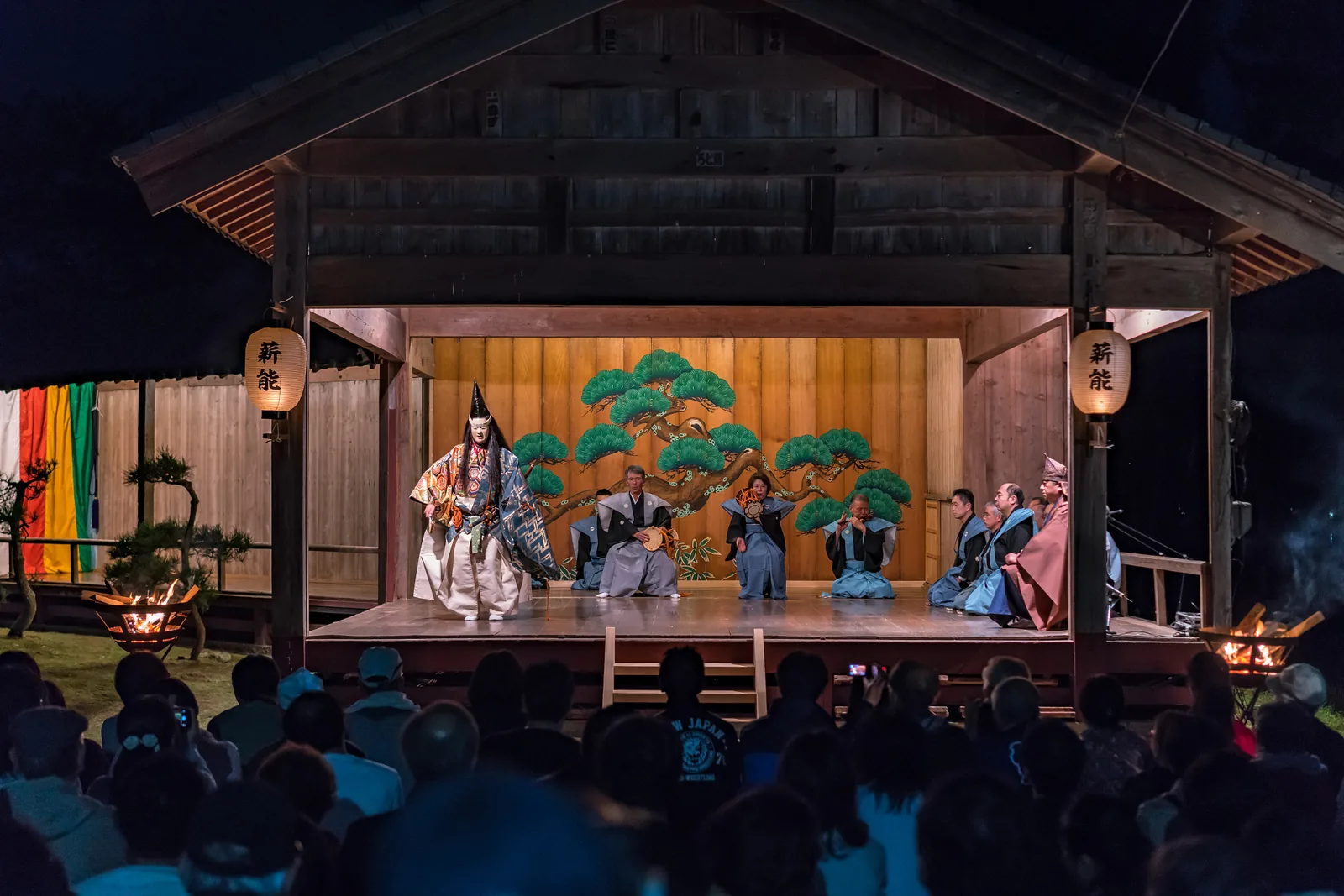
Among the state parties to the 2003 Convention, China holds the most UNESCO ICH inscriptions of any single country, with 44 elements — reflecting both the government’s active nomination program and the extraordinary diversity of China’s regional cultural practices. China’s inscribed elements span classical performing arts (Peking Opera, Kun Qu opera, Yueju opera, Tibetan opera), physical disciplines (Taijiquan), ceremonial practices (Dragon Boat festival, Mazu belief and customs, Spring Festival), traditional crafts (Xuan paper, Nanjing Yunjin brocade, porcelain), and knowledge systems (Acupuncture and moxibustion, Twenty-Four Solar Terms, Chinese Zhusuan). South Korea, Japan, France, Spain, and Azerbaijan also rank among the countries with the highest number of inscriptions. South Korea’s portfolio spans Pansori (File 00070, 2008), Ganggangsullae, Jeongganbo music notation, Kimjang (File 00881, 2013), Namsadang, and Jang-making (File 01975, 2024) among approximately 21 elements. Japan’s portfolio includes Noh theatre (File 00012, 2008), Washoku (File 00869, 2013), Yama-Hoko-Yatai float festivals, and traditional sake-making (2024). The UNESCO intangible cultural heritage overview explains how nominations work and what the 2003 Convention protects.
Notable UNESCO ICH Elements by Region: From Tango to Taijiquan
Across UNESCO’s five geographic regions, the Representative List encompasses some of the world’s most recognized cultural practices. In Asia and the Pacific: Noh theatre of Japan (File 00012, 2008) — the classical masked drama preserved since the 14th century — was among the founding inscriptions at the 3rd session, as was Pansori (File 00070, 2008), Korea’s genre of musical storytelling combining a solo vocalist with a single drummer. Indonesian Batik (File 00170, 2009) — the hand-dyed textile tradition employing wax-resist techniques — was inscribed as an element of Indonesian national identity and community knowledge. Washoku (File 00869, Japan, 2013) recognized Japan’s traditional dietary culture, particularly its seasonal and communal dimensions. In India, Yoga (File 01163, 2016) and Kumbh Mela (File 01258, 2017) represent India’s 16-element ICH portfolio. China’s Taijiquan — the slow-movement martial art and wellness practice — was inscribed in 2020 after 12 years of repeated nominations; the Spring Festival (Lunar New Year) was added in 2025.
In Europe and the Americas: Flamenco (File 00363, Spain, 2010) — the song, dance, and musical art form of Andalusia — and the Tango (File 00258, Argentina and Uruguay, 2009) — the couple dance and music developed by the working classes of Buenos Aires and Montevideo — are among the most globally recognized inscriptions. The Mediterranean diet (File 00884, joint nomination by 7 nations — Spain, Greece, Italy, Morocco, Cyprus, Croatia, and Portugal, 2013) covers not a cuisine but a shared dietary pattern, landscape relationship, and social practice. Italy’s Neapolitan pizza-making (File 01595, 2017) recognized the craft knowledge of the Neapolitan pizzaiuolo. Jamaica’s Reggae music (File 01398, 2018) was the first Caribbean music inscription, recognized for its encoded social commentary and African diaspora performance tradition. The UNESCO ICH gastronomy guide details the full list of food-related inscriptions from the French gastronomic meal (File 00437, 2010) to Korean Jang-making (File 01975, 2024).
In the Arab States, Morocco holds 16 elements including Couscous (File 01602, joint with Algeria, Mauritania, and Tunisia, 2020). The 2025 session added significant multinational Arab inscriptions: the Bisht (the traditional ceremonial men’s outer garment), jointly nominated by Qatar, Bahrain, Iraq, Jordan, Kuwait, Oman, Saudi Arabia, Syria, and the UAE; and Arabic Kohl (kohl eye application practices), jointly nominated by Syria, Iraq, Jordan, Libya, Oman, Palestine, Saudi Arabia, Tunisia, and the UAE — both inscribed on the Representative List in December 2025. In Africa, the Gelede masquerade of the Yoruba and Nago communities (Benin, Nigeria, Togo, File 00108, 2008) was among the founding inscriptions; subsequent African additions include harvest festivals, weaving traditions, and oral epic traditions. The 2025 session marked first-ever inscriptions for Chad, Gabon, and São Tomé and Príncipe, extending the list’s geographic reach to 157 countries. Multinational inscriptions now form a substantial share of the total: Nowruz (the spring equinox New Year celebration, File 02097, 13 nations, 2024), Falconry (File 01708, 24 nations), and Deepavali (the festival of lights, joint nomination, 2025) exemplify how the 2003 Convention framework recognizes cross-border shared cultural heritage.
Frequently Asked Questions
How many UNESCO intangible cultural heritage elements are there?
As of December 2025, UNESCO’s intangible cultural heritage lists contain 849 elements across 157 countries. This total is distributed across three registers: the Representative List of the Intangible Cultural Heritage of Humanity (the largest), the List of Intangible Cultural Heritage in Need of Urgent Safeguarding, and the Register of Good Safeguarding Practices. The 2025 session in New Delhi added 67 elements to the combined lists — the largest single session since the 2003 Convention came into force.
Which country has the most UNESCO intangible cultural heritage?
China has the most UNESCO ICH inscriptions of any country — 44 elements on the lists as of 2025, ranking first globally. China’s inscribed elements include Peking Opera (2010), Taijiquan (2020), the Spring Festival (2025), traditional tea processing and culture (2022), Twenty-Four Solar Terms (2016), Acupuncture and moxibustion (2010), and Chinese calligraphy (2009), among others spanning performing arts, crafts, and knowledge systems.
What is the difference between the Representative List and the Urgent Safeguarding List?
The Representative List — defined under Article 16 of the 2003 Convention — is not an at-risk registry. Its purpose is to raise awareness of living heritage diversity. Inscription does not mean a practice is endangered. The Urgent Safeguarding List — defined under Article 17 — is reserved for practices at immediate risk of disappearance requiring emergency intervention. Inscription on the Urgent Safeguarding List triggers access to the International Fund for the Safeguarding of ICH. As of 2025, most UNESCO ICH elements (over 700) are on the Representative List; the Urgent Safeguarding List has approximately 70–80 elements.
What were the most recent UNESCO ICH inscriptions (2025)?
At the 20th session in New Delhi (December 8–13, 2025), 53 elements were added to the Representative List and 11 to the Urgent Safeguarding List. Notable 2025 Representative List inscriptions include: Deepavali — the festival of lights (joint multinational nomination), China’s Spring Festival, the Bisht ceremonial garment (joint Middle East nomination), Arabic Kohl (joint multinational), yodeling traditions of Switzerland, Son — a Cuban musical style, Joropo music and dance of Venezuela, handmade paper craftsmanship of Japan, and the Moroccan Caftan. First-ever inscriptions were made for Barbados, Chad, Comoros, El Salvador, Gabon, Libya, and São Tomé and Príncipe.
Where can I find the full UNESCO intangible cultural heritage list?
The authoritative, searchable database of all 849 UNESCO ICH elements is available at ich.unesco.org/en/lists. The database allows filtering by country, UNESCO region, inscription year, domain (oral traditions, performing arts, social practices, nature/universe knowledge, traditional craftsmanship), and list type (Representative, Urgent Safeguarding, Good Practices). Each element has a dedicated file with the nomination dossier, UNESCO committee decision, and supporting documentation.