Kazakhstan UNESCO Intangible Cultural Heritage: Complete List of 14 Inscriptions
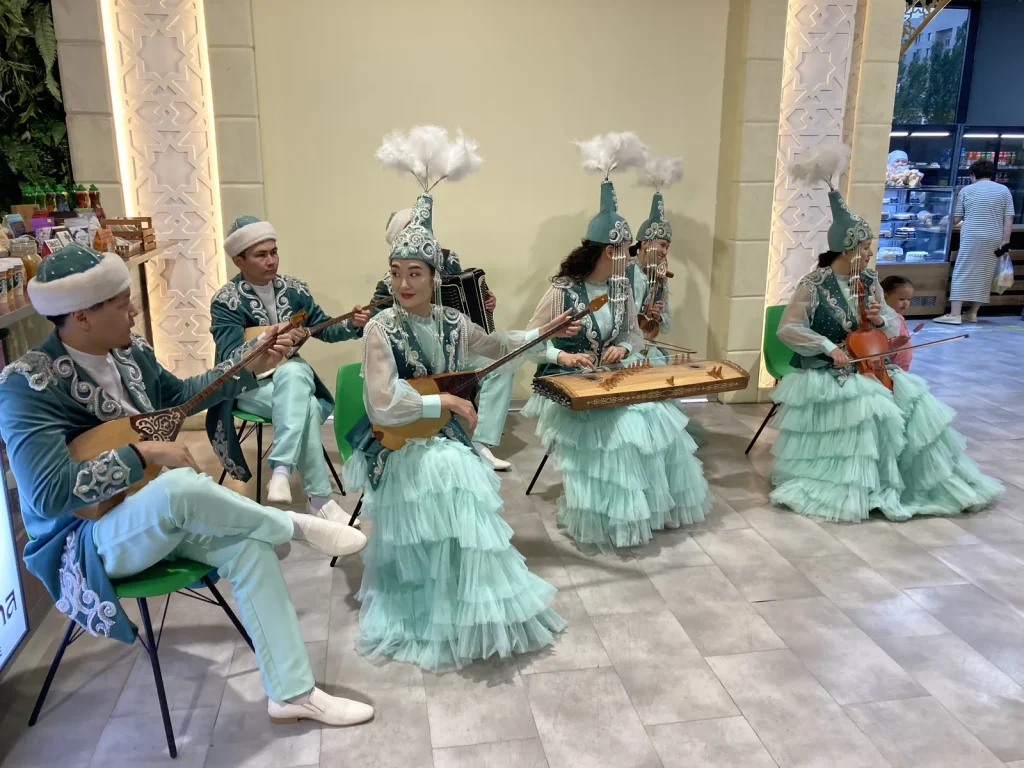
Kazakhstan’s UNESCO intangible cultural heritage comprises 14 elements inscribed on the Representative List of the Intangible Cultural Heritage of Humanity — spanning the nomadic arts of the Central Asian steppe (dombra music, aitysh poetry, Assyk games, Kuresi wrestling, yurt-making), communal ritual practices (Betashar wedding ceremony, Nowruz), and performing arts unique to the Kazakh tradition (Orteke puppet-dance). Kazakhstan ratified the 2003 Convention for the Safeguarding of the Intangible Cultural Heritage on December 28, 2011 — one of the later Central Asian ratifications, though its inscription record has grown rapidly since. The most recent inscription — the traditional knowledge and skills in making Kyrgyz, Kazakh, and Karakalpak yurts (File 02284) — was inscribed in 2025 in a joint nomination with Kyrgyzstan and Uzbekistan.
- Kazakhstan has 14 UNESCO ICH inscriptions on the Representative List as of 2025, all on the Representative List — no elements on the Urgent Safeguarding List. Kazakhstan ratified the 2003 Convention on December 28, 2011.
- Kazakhstan’s first UNESCO ICH inscription was the Kazakh traditional art of Dombra Kuy (File 00996, 2014) — the tradition of composing and performing kuy (instrumental compositions) on the two-stringed plucked dombra, which UNESCO recognized as the central symbol of Kazakh cultural identity.
- Aitysh/Aitys (File 00997, 2015) — the art of improvised oral poetry sung in competition between two performers (aqyns), inscribed jointly with Kyrgyzstan — represents the nomadic oral tradition in its most competitive and performative form: each aqyn must compose and sing in response to the other, in real time.
- Betashar (File 01746, 2024) is Kazakhstan’s most recently unique inscription — the traditional wedding ritual in which a singer (zhyrshy) performs a special song (betashar) to unveil the bride’s face, introducing her to the groom’s relatives one by one as the bride bows to each family member in order of seniority.
- Seven of Kazakhstan’s 14 inscriptions are joint nominations shared with other countries: Aitysh with Kyrgyzstan; Falconry (File 01708, 2021) with 23 countries; Nowruz (File 02097, 2024) with 12 countries; yurt-making (File 02284, 2025) with Kyrgyzstan and Uzbekistan; and three others shared with Turkic regional nations.
Kazakhstan UNESCO ICH: Dombra Kuy, Aitysh, and the Early Inscriptions (2014–2018)
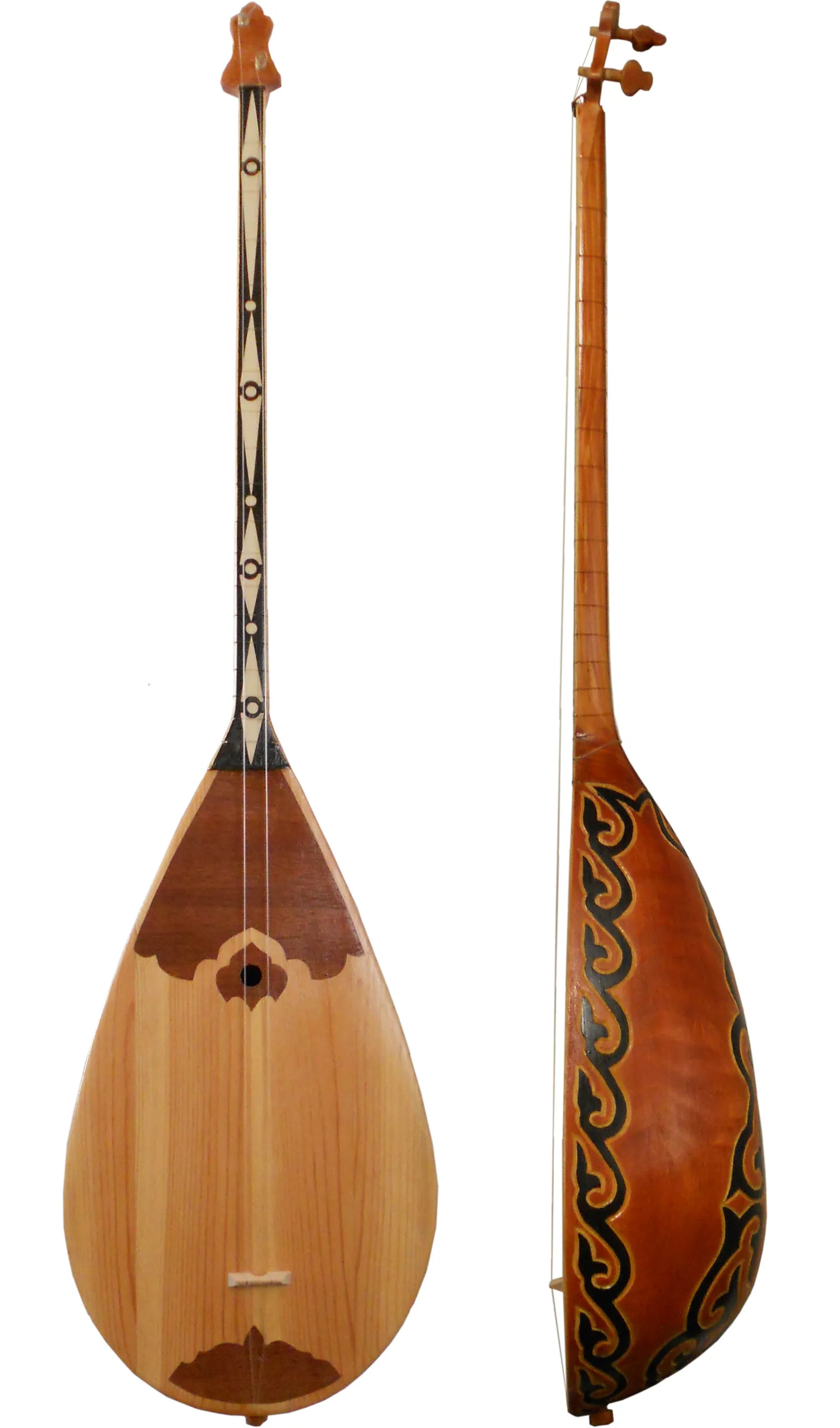
Kazakhstan’s first UNESCO ICH inscription — the Kazakh traditional art of Dombra Kuy (File 00996, Representative List, 2014) — recognized the dombra as the central symbol of Kazakh musical identity and the kuy as its defining compositional form. The dombra is a two-stringed plucked lute with a distinctive piriform body, played by both plucking and strumming; it is found throughout Kazakhstan and the Kazakh diaspora. A kuy is an instrumental composition, typically programmatic — narrating a legendary event, describing a landscape, or commemorating a historical figure — transmitted through a lineage system in which kuishi (kuy composers/performers) learn from masters in regional traditions. The inscription recognized multiple regional kuy schools (Syr Darya, Eastern, Western) with distinct melodic and rhythmic approaches. In 2015, the joint inscription Aitysh/Aitys (File 00997, with Kyrgyzstan) recognized the improvised oral poetry competition in which two aqyns (poet-performers) sing against each other before a live audience, composing extemporaneously in response to each other’s verses — a tradition of nomadic oral culture that UNESCO traced to ancient steppe customs and continues in both traditional festival contexts and modern-day competition events.
Between 2016 and 2018, Kazakhstan added six more inscriptions. Kuresi in Kazakhstan (File 01085, 2016) recognized the traditional form of national wrestling practiced at celebrations, festivals, and sporting events — a standing-only grappling competition in which the goal is to throw the opponent to the ground. Kazakh traditional Assyk games (File 01086, 2017) recognized the playing of asyk (the ankle-bones of sheep and goats) as games, a tradition practiced across all age groups in Kazakhstan. Traditional spring festive rites of the Kazakh horse breeders (File 01402, 2018) recognized the cycle of spring rituals associated with the first milking of mares (biye baylaу) and the Kazakh pastoral calendar. The Heritage of Dede Qorqud/Korkyt Ata/Dede Korkut (File 01399, 2018, joint with Azerbaijan and Turkey) recognized the oral epic tradition associated with the legendary figure Dede Korkut (Korkyt Ata in Kazakh) — a shaman, musician, and sage credited with inventing the kobyz (the bowed lute) and composing the earliest Oghuz-Kazakh epics. Dede Korkut’s stories, preserved in manuscripts from the 14th–15th centuries but rooted in oral tradition traced to the 9th century, are performed across Kazakhstan, Azerbaijan, and Turkey as a shared Turkic intangible heritage. For context on the UNESCO ICH framework, the UNESCO intangible cultural heritage overview explains the 2003 Convention.
Orteke, Betashar, Yurt-Making, and Kazakhstan’s Complete UNESCO ICH List
Orteke (File 01878, Representative List, 2022) is one of Kazakhstan’s most distinctive ICH elements — a traditional performing art that combines music, dance, and puppet art in a unique form: a wooden puppet in the shape of a deer or ibex (orteke) is attached to a drum by strings and caused to dance by the vibrations of the drum as it is played. The performer plays the drum and controls the puppet simultaneously, creating a performance in which the puppet appears to dance spontaneously in response to the music. UNESCO recognized Orteke as a distinctly Kazakh nomadic art with roots in shamanistic ritual practice and documented transmission through master-apprentice relationships in Kazakh families and communities. Betashar (File 01746, 2024) is the traditional Kazakh wedding ritual of unveiling — a ceremony in which a singer (zhyrshy) performs a special betashar song while the bride’s face is gradually revealed to the groom’s relatives; the song introduces each family member by name and status while the bride bows in order of seniority. The ceremony marks the bride’s symbolic entry into her new family and transmits knowledge of family genealogy, social hierarchy, and community structure through the performance.
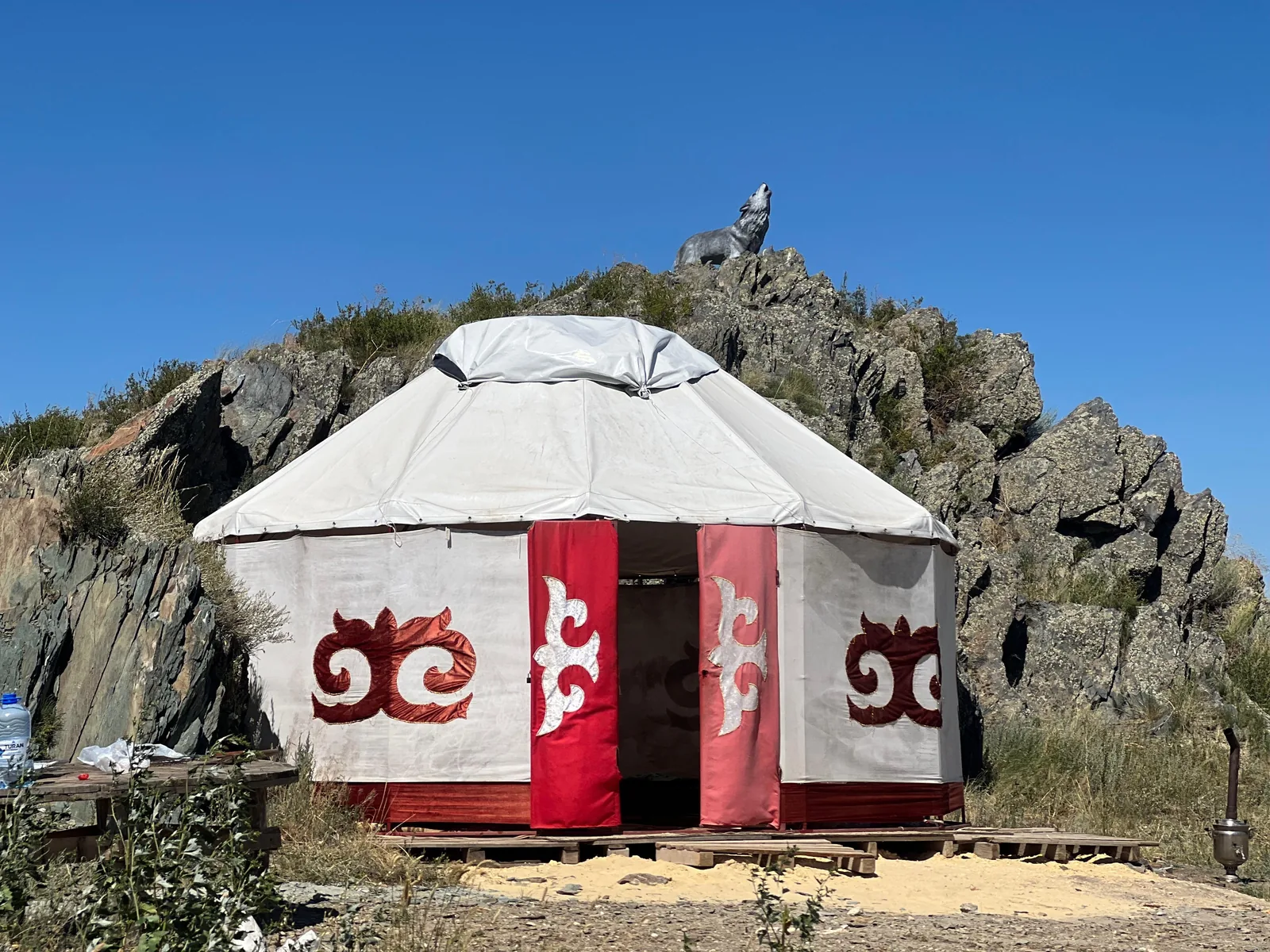
The most recent addition — the traditional knowledge and skills in making Kyrgyz, Kazakh, and Karakalpak yurts (File 02284, 2025) — recognized the construction of the nomadic felt dwelling as a living knowledge system involving the selection and preparation of willow wood for the frame (kerege, uyk, shanyrak), the production of felt panels (koshma) from sheep wool, and the assembly of the complete structure without nails or adhesives. The joint nomination with Kyrgyzstan and Uzbekistan (representing the Karakalpak tradition) acknowledges the shared origin of yurt-making knowledge across the Turkic nomadic cultures of Central Asia. Kazakhstan’s other joint inscriptions include: Falconry (File 01708, 2021) — shared with 23 nations including the UAE, Mongolia, Spain, and France; Togyzqumalaq (File 01597, 2020, with Kyrgyzstan and Turkey) — a traditional board game using 162 balls in 18 cups played throughout the Turkic world; Nasreddin Hodja anecdotes (File 01705, 2022, with six Central Asian and Turkic nations); and Nowruz/Nauryz (File 02097, 2024, with 12 nations across Asia and the Middle East). For the authoritative list, ich.unesco.org/en/state/kazakhstan-KZ is the official source.
Frequently Asked Questions
How many UNESCO intangible cultural heritage elements does Kazakhstan have?
Kazakhstan has 14 elements on UNESCO’s Representative List of the Intangible Cultural Heritage of Humanity as of 2025. All 14 are on the Representative List — Kazakhstan has no elements on the Urgent Safeguarding List. Kazakhstan ratified the 2003 Convention on December 28, 2011. The most recent inscription is the traditional knowledge and skills in making Kyrgyz, Kazakh, and Karakalpak yurts (File 02284, 2025), a joint nomination with Kyrgyzstan and Uzbekistan.
What was Kazakhstan’s first UNESCO intangible cultural heritage?
Kazakhstan’s first UNESCO ICH inscription was the Kazakh traditional art of Dombra Kuy (File 00996, 2014) — the tradition of composing and performing kuy (instrumental compositions) on the dombra, a two-stringed plucked lute that is the central symbol of Kazakh musical identity. UNESCO recognized multiple regional kuy schools with distinct melodic traditions. The inscription acknowledged the dombra as the national instrument of Kazakhstan and the kuy as its primary compositional form, transmitted through master-apprentice lineages.
What is Aitysh/Aitys?
Aitysh/Aitys (File 00997, Representative List, 2015) is the art of improvised oral poetry competition in which two aqyns (poet-performers) sing against each other before a live audience, composing extemporaneously in response to each other’s verses in real time. The tradition is rooted in nomadic steppe oral culture and is practiced across Kazakhstan and Kyrgyzstan (the element was inscribed jointly). UNESCO recognized Aitysh as a form of oral poetry in which wit, quick thinking, musical skill, and command of poetic tradition are displayed simultaneously in competitive performance.
What is Orteke?
Orteke (File 01878, Representative List, 2022) is a traditional Kazakh performing art combining music, dance, and puppet art: a carved wooden puppet in the shape of a deer or ibex is attached to a drum by strings and caused to dance by the vibrations produced when the drum is played, creating the effect of a puppet dancing spontaneously to the music. The performer plays the drum and controls the puppet simultaneously. UNESCO recognized Orteke as a distinctly Kazakh nomadic art with roots in shamanistic ritual practice.
What is Betashar?
Betashar (File 01746, Representative List, 2024) is the traditional Kazakh wedding ritual of unveiling — a ceremony in which a singer (zhyrshy) performs a special betashar song while gradually unveiling the bride’s face, introducing her to each of the groom’s relatives by name and status as she bows to them in order of seniority. The ceremony marks the bride’s integration into her new family and simultaneously transmits knowledge of family genealogy and social hierarchy through musical performance. UNESCO inscribed Betashar at the 19th session of the Intergovernmental Committee (19.COM) in 2024.