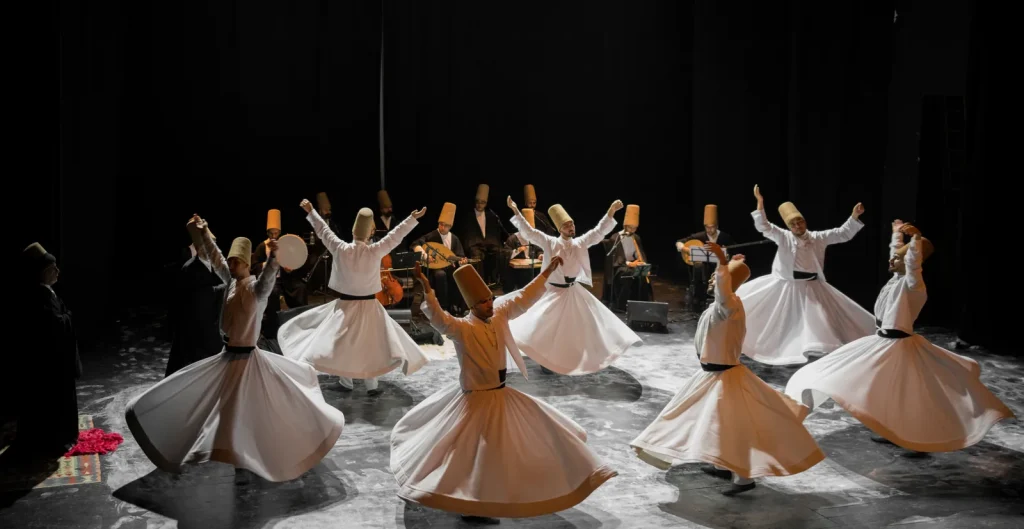
What Is UNESCO Intangible Cultural Heritage? The 2003 Convention Explained
UNESCO intangible cultural heritage — as defined by the 2003 Convention for the Safeguarding of the Intangible Cultural Heritage — refers to the practices, representations, expressions, knowledge, and skills that communities, groups, and individuals recognize as part of their cultural heritage and transmit across generations. Adopted on October 17, 2003, at UNESCO’s 32nd General Conference in Paris, and entering into force on April 20, 2006, the Convention established the first international legal framework specifically dedicated to protecting living cultural traditions: not monuments or sites, but the performing arts, oral traditions, social rituals, knowledge systems, and craft skills that make up the living fabric of human cultures. As of 2023, the UNESCO ICH lists together encompass 676 elements from 140 countries, maintained by more than 180 states parties to the Convention.
- UNESCO intangible cultural heritage is defined in the 2003 Convention as practices, representations, expressions, knowledge, and skills that communities transmit across generations — adopted October 17, 2003 in Paris, entered into force April 20, 2006 with more than 180 states parties.
- The Convention organizes ICH into five domains: oral traditions and expressions; performing arts; social practices, rituals and festive events; knowledge and practices concerning nature; and traditional craftsmanship.
- UNESCO maintains three lists: the Representative List of the Intangible Cultural Heritage of Humanity (the primary list, with 500+ elements), the List of Intangible Cultural Heritage in Need of Urgent Safeguarding (35+ at-risk elements), and the Register of Good Safeguarding Practices.
- UNESCO ICH is fundamentally different from UNESCO World Heritage Sites (governed by the 1972 Convention): World Heritage recognizes places of “outstanding universal value,” while ICH recognizes living human practices that have no inherent hierarchy — no element is ranked higher than another.
- The ICH framework is community-centered: a practice qualifies not through expert evaluation but through recognition by the communities, groups, and individuals who practice it — the people themselves are both the bearers and the custodians of the heritage.
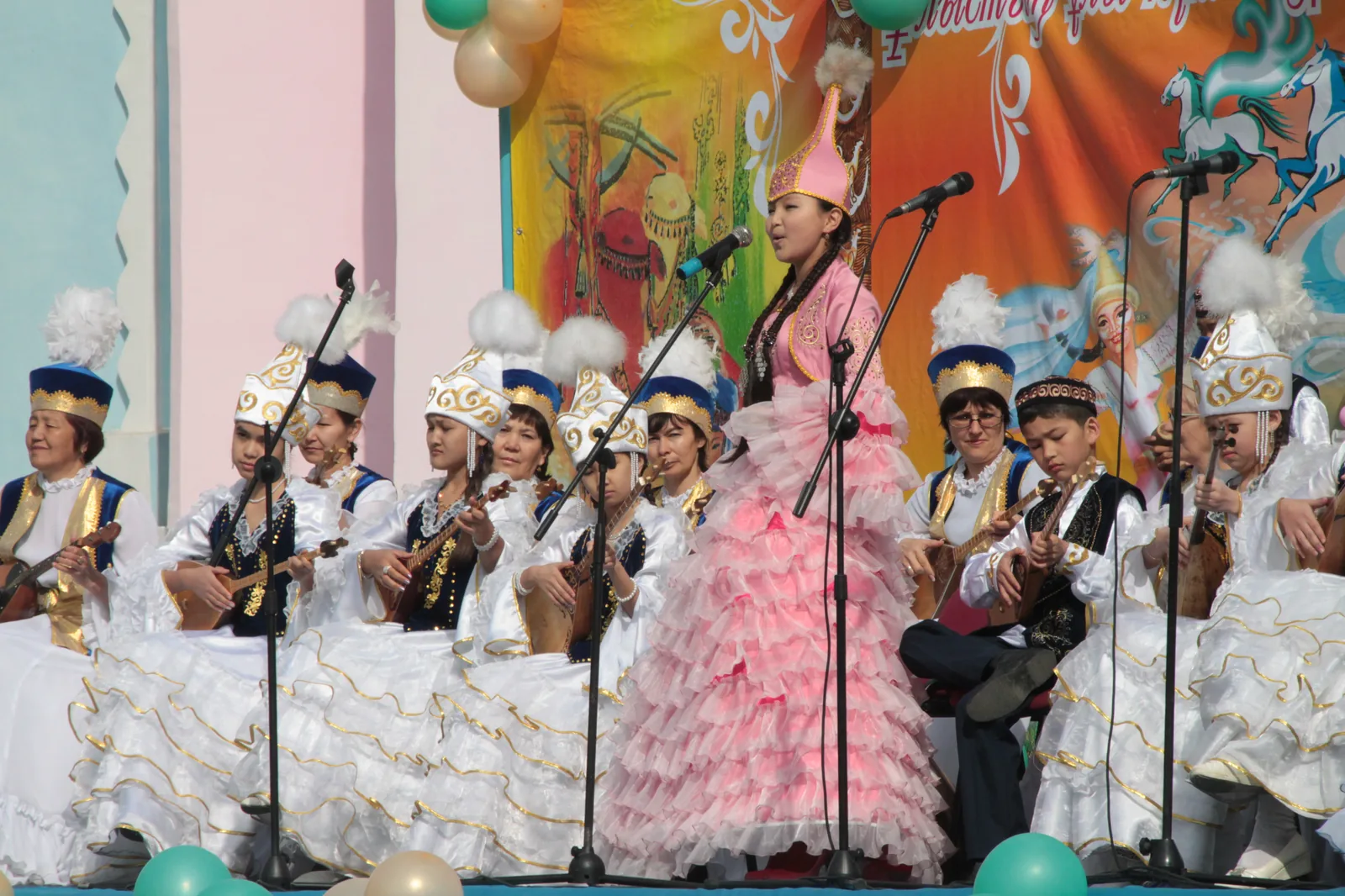
What Is UNESCO Intangible Cultural Heritage? Definition and the 2003 Convention
The 2003 UNESCO Convention for the Safeguarding of the Intangible Cultural Heritage defines intangible cultural heritage as “the practices, representations, expressions, knowledge, skills — as well as the instruments, objects, artefacts and cultural spaces associated therewith — that communities, groups and, in some cases, individuals recognize as part of their cultural heritage.” Three qualifications shape this definition. First, the heritage must be transmitted across generations — it is a living tradition, not a historical artifact. Second, it must be continuously recreated by communities in response to their environment and history, giving them a sense of identity and continuity. Third, it must be compatible with human rights and the principles of mutual respect and sustainable development: the Convention explicitly excludes practices incompatible with international human rights norms.
The Convention grew from decades of concern that existing international heritage frameworks — most notably UNESCO’s 1972 Convention Concerning the Protection of the World Cultural and Natural Heritage, which established the UNESCO World Heritage Sites system — focused exclusively on monuments, buildings, and natural sites while leaving living human practices entirely unprotected. The limitations became clear when the global spread of industrial production, urbanization, and mass media accelerated the disappearance of traditional crafts, oral literature, and ritual practices that had been transmitted for centuries. In 1989, UNESCO adopted a Recommendation on the Safeguarding of Traditional Culture and Folklore, but it carried no binding obligations. The 2003 Convention was the first binding international instrument specifically designed for living cultural traditions, and it entered into force on April 20, 2006, three months after its 30th ratification. It now has more than 180 states parties.
The key conceptual distinction between UNESCO ICH and World Heritage is the absence of a hierarchy. World Heritage requires “outstanding universal value” — a threshold judgment that ranks nominated properties against a global standard. The ICH Convention explicitly rejects this model: there is no criterion of “outstanding universal value” for ICH listings, and all inscribed elements on the Representative List carry equal status regardless of the scale or reach of their practice. The purpose of the Representative List is described in the Convention as to “ensure better visibility of the intangible cultural heritage and awareness of its significance” — a documentation and visibility function, not a ranking. For a comprehensive index of inscribed elements across cultures and regions, the UNESCO intangible cultural heritage examples article covers representative inscriptions by domain and country.
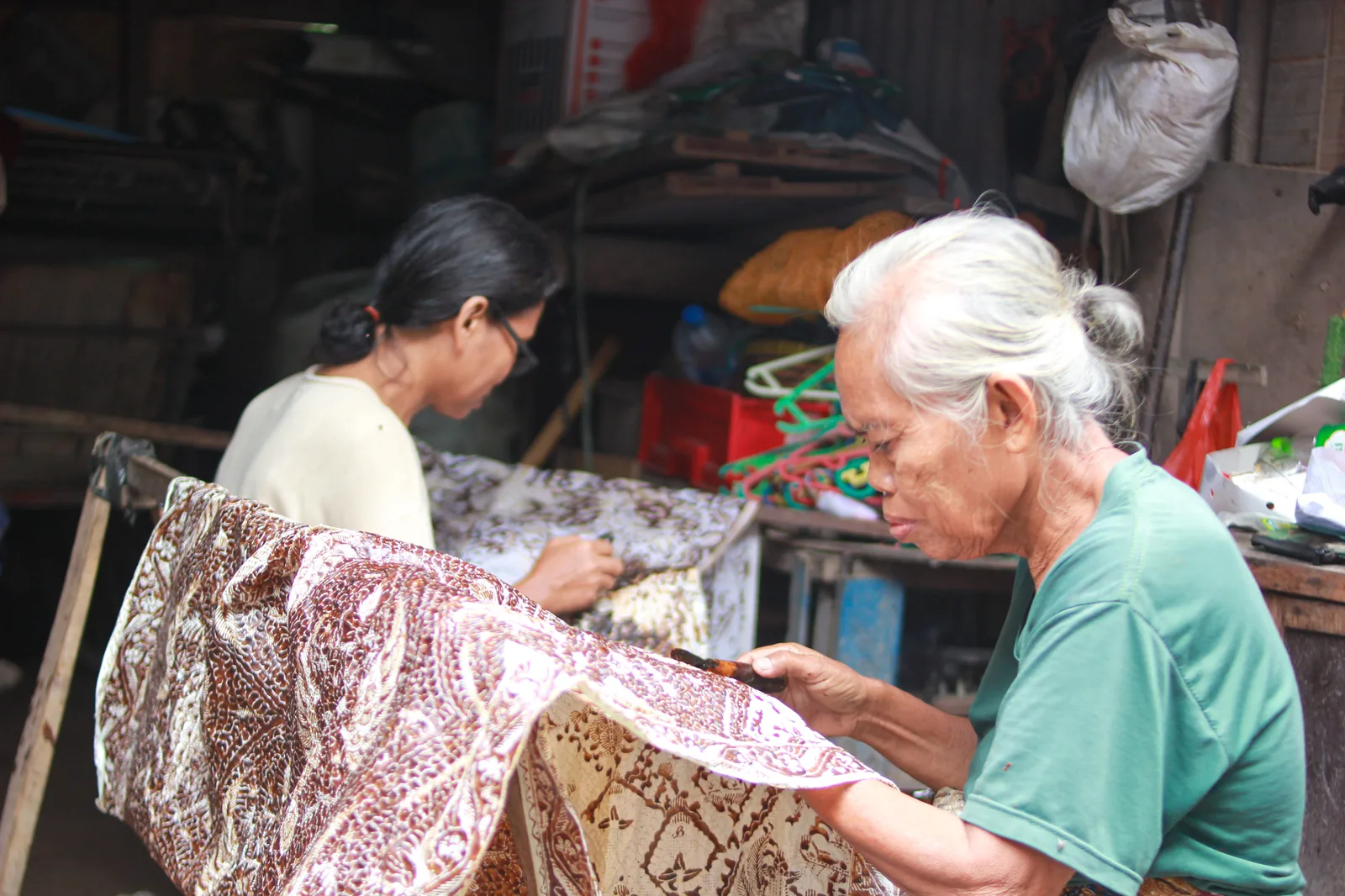
The Five Domains, Three Lists, and How UNESCO ICH Safeguarding Works
The 2003 Convention organizes intangible cultural heritage into five domains that describe the range of human practices covered. Oral traditions and expressions — including language as a vehicle of heritage — encompasses epic poetry, songs, proverbs, riddles, folk tales, and the oral transmission systems through which communities pass on knowledge. Performing arts covers music, dance, and theater in all forms where the human body is the primary instrument of expression. Social practices, rituals, and festive events includes the ceremonies, celebrations, and community gatherings that structure social life: weddings, New Year celebrations, agricultural rituals, rites of passage, and communal festivals. Knowledge and practices concerning nature and the universe covers the ecological knowledge, cosmological beliefs, healing practices, and environmental management systems that communities have developed through generations of interaction with their specific landscapes. Traditional craftsmanship encompasses the skills involved in producing handmade objects — weaving, pottery, metalwork, jewelry, instrument-making, and the hundreds of other craft traditions through which material culture is created and transmitted.
UNESCO maintains three distinct lists under the Convention. The Representative List of the Intangible Cultural Heritage of Humanity is the primary and most widely known list, currently comprising more than 500 inscribed elements — from Reggae music of Jamaica (File 01398, 2018) to couscous production and consumption practices of Algeria, Mauritania, Morocco, and Tunisia (File 01602, 2020). The List of Intangible Cultural Heritage in Need of Urgent Safeguarding is reserved for elements at immediate risk of disappearing, where the community of practitioners is critically small or the transmission mechanisms have broken down — currently comprising more than 35 elements, including the Cossack’s songs of Dnipropetrovsk Region (File 01194, Ukraine, 2016). The third list — the Register of Good Safeguarding Practices — documents successful programs and projects that have demonstrated effective approaches to ICH protection, offering models that other countries can adapt.
The safeguarding mechanism of the Convention is centered on states parties, who commit to: identifying ICH elements on national inventories with community participation; establishing competent bodies for safeguarding; fostering education, research, and documentation of ICH; providing access to ICH for communities while respecting customary practices; and periodically reporting to the UNESCO Committee on safeguarding measures. The nomination process for list inscription requires that affected communities consent to and participate in the nomination — ensuring that ICH recognition does not happen to communities but with and through them. For official Convention text and current list statistics, ich.unesco.org/en/convention is the authoritative source.
Frequently Asked Questions
What is UNESCO intangible cultural heritage?
UNESCO intangible cultural heritage (ICH) refers to the practices, representations, expressions, knowledge, and skills that communities and groups recognize as part of their cultural heritage and transmit across generations. It includes oral traditions, performing arts, social rituals, nature knowledge, and traditional craftsmanship. The legal framework is the 2003 Convention for the Safeguarding of the Intangible Cultural Heritage, adopted October 17, 2003, entered into force April 20, 2006, with 180+ states parties.
What are the five domains of UNESCO intangible cultural heritage?
The 2003 Convention organizes ICH into five domains: (1) oral traditions and expressions, including language; (2) performing arts (music, dance, theater); (3) social practices, rituals, and festive events (ceremonies, celebrations, communal gatherings); (4) knowledge and practices concerning nature and the universe (ecological knowledge, healing, environmental management); and (5) traditional craftsmanship (weaving, pottery, metalwork, and other handcraft skills). Any ICH element falls into one or more of these domains.
What are the three UNESCO ICH lists?
UNESCO maintains three lists under the 2003 Convention: (1) the Representative List of the Intangible Cultural Heritage of Humanity — the primary list with 500+ elements, documenting living traditions to raise awareness of their significance; (2) the List of Intangible Cultural Heritage in Need of Urgent Safeguarding — for at-risk elements with 35+ entries; and (3) the Register of Good Safeguarding Practices — documenting successful national programs that protect ICH. Together the three lists cover 676 elements from 140 countries as of 2023.
What is the difference between UNESCO ICH and UNESCO World Heritage Sites?
UNESCO World Heritage Sites (governed by the 1972 Convention) recognizes physical places — monuments, cities, landscapes, natural areas — of “outstanding universal value.” UNESCO intangible cultural heritage recognizes living human practices — what people do, know, and transmit — under the 2003 Convention. ICH has no “outstanding universal value” criterion and no hierarchy between elements: all inscribed practices are equal. World Heritage focuses on preserving places; ICH focuses on sustaining living knowledge and practice within communities.
How does a practice get inscribed on the UNESCO ICH list?
A state party to the 2003 Convention nominates an element for inscription, with the participation and free, prior, and informed consent of the communities who practice it. The nomination file must demonstrate: that the element meets the ICH definition; that its inscription would raise awareness of its significance; that safeguarding measures are in place or planned; and that the community participated in preparing the nomination. The Intergovernmental Committee meets annually to evaluate nominations — in sessions designated by session number (1.COM through the present) — and decides by consensus or majority vote.