UNESCO Intangible Cultural Heritage of Mexico: All 13 Inscriptions from Day of the Dead to Bolero
Mexico has 13 elements inscribed on UNESCO’s Intangible Cultural Heritage lists as of 2025 — 12 on the Representative List of the Intangible Cultural Heritage of Humanity and one on the Register of Good Safeguarding Practices. Mexico’s inscriptions span every domain of the 2003 Convention: oral traditions, performing arts, social practices, knowledge and practices concerning nature, and traditional craftsmanship. The inscriptions range from the first ICH element ever inscribed (Día de Muertos, 2008, one of the inaugural elements of the Representative List) to the most recent (the Iztapalapa Passion Play, 2025). Mexico’s traditional cuisine inscription in 2010 was the first time a food system — rather than a specific dish or technique — received ICH recognition, establishing a precedent that influenced dozens of subsequent food-related inscriptions worldwide.
- Mexico holds 13 UNESCO ICH inscriptions as of 2025 — 12 on the Representative List and 1 on the Register of Good Safeguarding Practices.
- Día de Muertos (File 00054, 2008) was among the inaugural elements inscribed when the Representative List was formally established, making Mexico’s connection to the ICH system one of the oldest.
- Mexico’s Traditional Mexican Cuisine (File 00400, 2010) was the first food system inscription in ICH history — covering the milpa cultivation system, metate grinding, and the integration of food into social ceremony, not specific recipes.
- The Mariachi (File 00575, 2011) and Charrería (File 01108, 2016) represent Mexico’s performing arts and equestrian traditions; Bolero (File 01990, 2023) is a transnational inscription shared with Cuba and other countries.
- The Iztapalapa Passion Play (File 02237, 2025) is Mexico’s newest inscription — a 176-year-old theatrical tradition performed by the community of Iztapalapa in Mexico City during Holy Week.
Mexico’s Complete List: 13 UNESCO ICH Inscriptions
The following 13 elements represent Mexico’s complete UNESCO Intangible Cultural Heritage portfolio as of 2025, organized chronologically.
2008–2010: The First Inscriptions
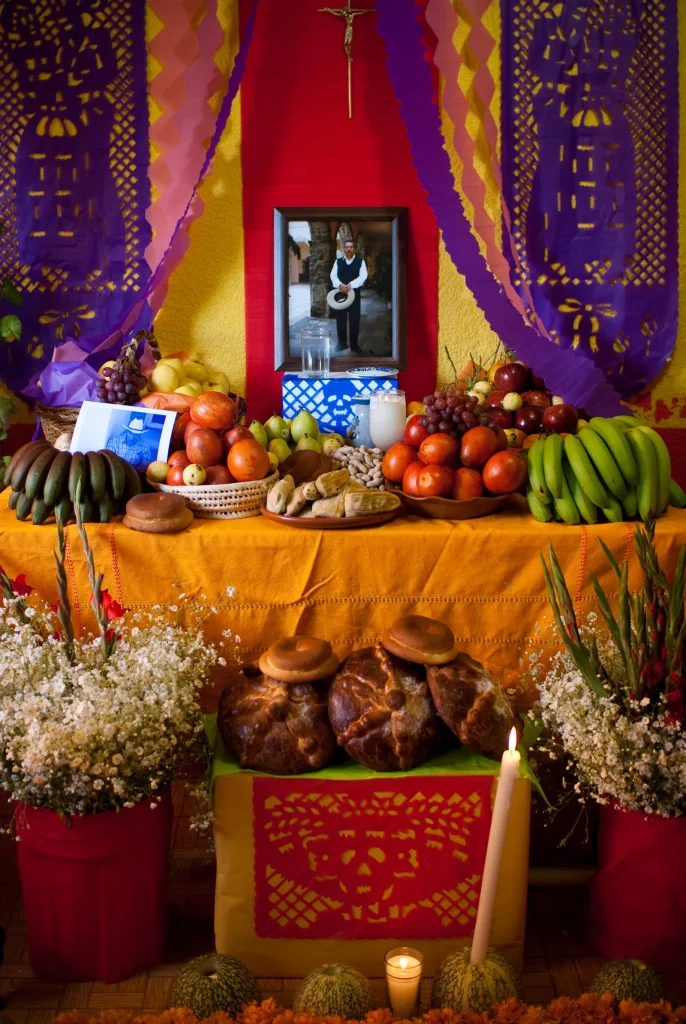
- Indigenous Festivity Dedicated to the Dead (Día de Muertos) — File 00054, 2008. The annual celebration honoring deceased relatives and ancestors, combining pre-Columbian practices of communicating with the dead and Catholic All Saints’ Day. Communities build home altars (ofrendas), visit cemeteries, and make offerings of food, flowers (particularly marigolds), and personal objects. The celebration is particularly rich in indigenous communities of Oaxaca, Michoacán, and Puebla, where pre-Columbian traditions have been most fully maintained.
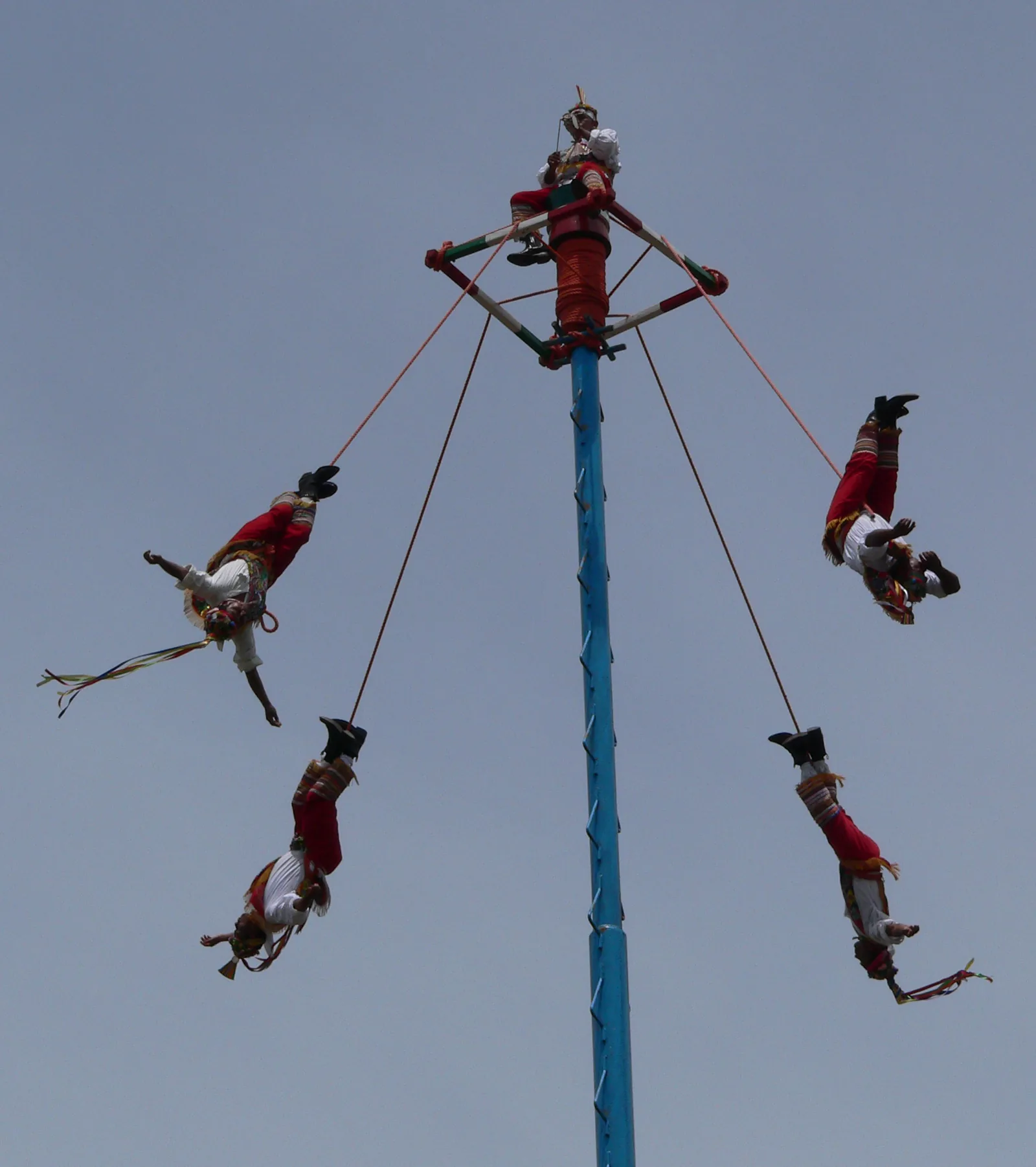
- Ritual Ceremony of the Voladores — File 00175, 2009. Performed primarily by the Totonac people of Veracruz (and related groups in Puebla and other states), the ceremony involves four men climbing a 30-meter pole and spinning downward while attached to ropes, making 13 rotations each (52 total — the length of the Mesoamerican calendar cycle). A fifth performer on top plays a flute and small drum throughout. The ceremony is a fertility ritual expressing harmony with natural and spiritual worlds.
- Places of Memory and Living Traditions of the Otomí-Chichimecas People of Tolimán — File 00174, 2009. The ritual territories and oral traditions of the Otomí-Chichimecas people centered on the Peña de Bernal (a dramatic rock formation in Querétaro state), inscribed as a living cultural landscape integrating sacred geography with community practices.
- Traditional Mexican Cuisine — File 00400, 2010. The first food system inscription in ICH history. UNESCO recognized not recipes but the entire knowledge system: the milpa (rotating polyculture field cultivation growing maize, beans, and squash together), the metate (grinding stone), the comal (flat griddle), and the integration of food preparation into social ceremony and festive culture. The inscription specifically represented the Michoacán paradigm of this cuisine.
- Parachicos in the Traditional January Feast of Chiapa de Corzo — File 00399, 2010. The ritual festival of Chiapa de Corzo in Chiapas, held annually from January 8–23. The parachicos are masked, costumed dancers who process through the streets accompanied by bands, in a tradition dating to the colonial period that integrates indigenous and Spanish elements.
- Pirekua, Traditional Song of the P’urhépecha — File 00398, 2010. The musical tradition of the P’urhépecha people of Michoacán — a syncretic song form that incorporates Spanish and African musical elements into an indigenous framework and is used in social, ritual, and festive contexts.
2011–2025: Mariachi, Charrería, Bolero, and Beyond
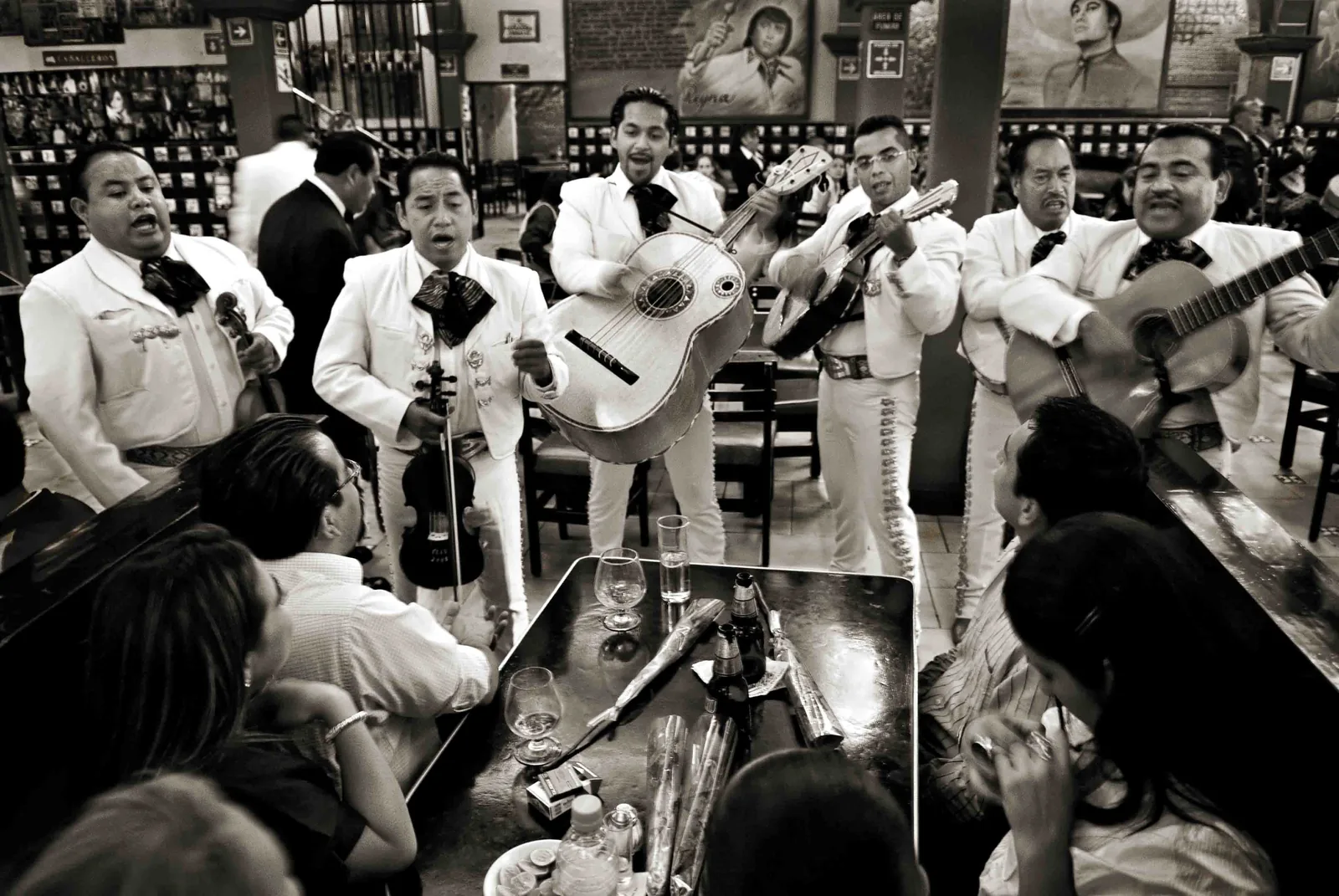
- Mariachi, String Music, Song and Trumpet — File 00575, 2011. The ensemble music tradition of western Mexico, particularly Jalisco, characterized by groups of musicians in charro-style suits playing violins, trumpets, the guitarrón (bass guitar), vihuela (small guitar), and guitar. Mariachi repertoire spans the son jalisciense, ranchera, bolero ranchero, and other genres. The tradition is transmitted through family lineages and informal apprenticeship in the central squares (plazas de los mariachis) of Guadalajara and Mexico City.
- Xtaxkgakget Makgkaxtlawana: The Centre for Indigenous Arts — File 00666, 2012 (Register of Good Safeguarding Practices). The Indigenous Arts Centre in Veracruz, recognized for its methodology of documenting and transmitting the intangible heritage of the Totonac people through community participation and digital archiving.
- Charrería, Equestrian Tradition in Mexico — File 01108, 2016. The horseback riding, ranching, and rodeo tradition of Mexican ranch culture, expressed through the charreada (competition/performance event) in which charros (skilled horsemen) and escaramuzas (women riders) demonstrate horsemanship skills including rope work, horse-breaking, and cattle herding techniques.
- La Romería: Ritual Cycle of ‘La Llevada’ of the Virgin of Zapopan — File 01400, 2018. The annual pilgrimage cycle in Guadalajara, Jalisco, in which the image of the Virgin of Zapopan is carried through the city from October 12 back to the Basilica of Zapopan, accompanied by up to 3 million participants.
- Artisanal Talavera of Puebla and Tlaxcala — File 01462, 2019 (joint inscription with Spain). The tin-glazed earthenware ceramic tradition of Puebla and Tlaxcala, inscribed jointly with Spain’s talavera of Talavera de la Reina and El Puente del Arzobispo — recognizing the shared Hispano-Moresque origin of both traditions and their subsequent independent development.
- Bolero: Identity, Emotion and Poetry Turned into Song — File 01990, 2023 (multinational inscription). A transnational inscription recognizing the bolero musical genre shared by Cuba, Mexico, and other Latin American countries. The UNESCO inscription covers the performance tradition of intimate romantic song, its characteristic guitar and percussion accompaniment, and the communities of composers, singers, and listeners who sustain it.
- Representation of the Passion, Death and Resurrection of Christ in Iztapalapa — File 02237, 2025. Mexico’s most recent ICH inscription — the theatrical reenactment of the Passion of Christ performed by the community of Iztapalapa (now an administrative borough of Mexico City) every Holy Week since 1843. The performance involves approximately 2,000 community members and attracts more than a million spectators annually.
Four Landmark Inscriptions: Day of the Dead, Mariachi, Voladores, and Traditional Mexican Cuisine
Within Mexico’s portfolio, four inscriptions stand out for their global cultural impact, institutional influence on the ICH system, or scale of practice.
Día de Muertos: A Living Pre-Columbian Tradition
The Día de Muertos inscription (File 00054) was among the inaugural elements when UNESCO formally established the Representative List in 2008, transferring elements from the earlier Masterpieces of the Oral and Intangible Heritage of Humanity program (which had recognized this element in 2003). This makes Mexico’s connection to the ICH system one of the oldest by date. UNESCO recognized the celebration’s fusion of Aztec ritual practices for communicating with the dead — centered on the belief that the deceased return annually to visit their families — with Catholic All Saints’ Day timing. The ofrenda (home altar) laden with marigolds, food, photographs, and personal objects; the collective cemetery visits; the specific food preparations (sugar skulls, pan de muerto bread) are all within the inscription’s scope.
Traditional Mexican Cuisine: The First Food System Inscription
The 2010 inscription of traditional Mexican cuisine (File 00400) established a precedent for food heritage that has since been applied globally. UNESCO did not inscribe mole, tortillas, or tamales as dishes; it inscribed the knowledge system behind Mexican cuisine: the milpa cultivation system (growing maize, beans, and squash in rotating polycultures, a 3,000-year-old Indigenous agricultural practice), the grinding techniques (metate for manual grinding), and the social practices of preparing and sharing food in community settings. The inscription’s framing of cuisine as “ancestral, ongoing community culture” — rather than as gastronomy or restaurant culture — influenced later food inscriptions including the Mediterranean diet (2013), Washoku (2013), and Kimjang (2013).
Mariachi and Charrería: Mexico’s Mestizo Identity Traditions
Mariachi (File 00575, 2011) and charrería (File 01108, 2016) together represent the most internationally recognized forms of Mexican mestizo cultural identity. Mariachi — with its trumpets, violins, and guitarrón — is the ensemble sound most associated globally with Mexico, performed at celebrations, quinceañeras, serenatas, and national ceremonies. Charrería — the equestrian tradition descended from colonial-era ranching practices — is practiced at lienzos charros (charreada arenas) across Mexico and in the United States, where Mexican-American communities maintain the tradition as an expression of cultural identity.
For the complete official database of Mexico’s inscribed elements with full nomination files and Committee decisions, ich.unesco.org/en/state/mexico-MX is the authoritative source. For context on Mexico’s inscriptions within the global ICH system — including how the traditional cuisine inscription influenced food heritage policy — the UNESCO intangible cultural heritage examples overview covers the global landmarks, and the UNESCO intangible cultural heritage overview traces the full 2003 Convention framework.
Frequently Asked Questions
How many UNESCO intangible cultural heritage elements does Mexico have?
Mexico has 13 UNESCO ICH elements as of 2025 — 12 on the Representative List of the Intangible Cultural Heritage of Humanity and 1 on the Register of Good Safeguarding Practices. The inscriptions span 2008 (Día de Muertos) to 2025 (the Iztapalapa Passion Play) and cover performing arts, social practices, culinary traditions, oral traditions, and equestrian culture.
Was Día de Muertos the first Mexican UNESCO intangible cultural heritage inscription?
Día de Muertos (File 00054) was among the inaugural elements inscribed on the Representative List when it was formally established in 2008, transferred from the earlier Masterpieces of the Oral and Intangible Heritage of Humanity program (where it had been recognized in 2003). This makes Mexico one of the first countries to have an element formally inscribed. However, several countries had elements included at the same inaugural 2008 session.
What was significant about Mexico’s traditional cuisine UNESCO inscription?
Mexico’s Traditional Mexican Cuisine (File 00400, 2010) was the first time a food system — rather than a specific dish, technique, or beverage — received UNESCO ICH recognition. The inscription covered the milpa cultivation system, the metate grinding tradition, and the integration of food preparation into social ceremony. This framing of cuisine as “ancestral, ongoing community culture” influenced later food inscriptions including the Mediterranean diet, Washoku, and Kimjang.
Is tequila a UNESCO intangible cultural heritage?
No. Tequila is not on the UNESCO Intangible Cultural Heritage list. However, the Agave Landscape and Ancient Industrial Facilities of Tequila (the physical landscape of agave fields and distilleries in Jalisco) was inscribed on the UNESCO World Heritage List (tangible heritage) in 2006. The two UNESCO programs are separate: tangible World Heritage covers physical sites; intangible cultural heritage covers living practices and knowledge.
What is the newest Mexican UNESCO intangible cultural heritage inscription?
Mexico’s most recent inscription is the Representation of the Passion, Death and Resurrection of Christ in Iztapalapa (File 02237), inscribed in 2025. This theatrical reenactment of the Passion of Christ has been performed every Holy Week by the community of Iztapalapa (a borough of Mexico City) since 1843, involving approximately 2,000 community members and drawing more than a million spectators annually.