India UNESCO Intangible Cultural Heritage: Complete List of 16 Elements
India’s UNESCO intangible cultural heritage comprises 16 elements, all on the Representative List of the Intangible Cultural Heritage of Humanity — India has no elements on the Urgent Safeguarding List. The portfolio represents the breadth of India’s living cultural traditions: classical theatre (Kutiyattam Sanskrit Theatre), devotional performance (Sankirtana of Manipur, Mudiyettu), ancient oral learning systems (Vedic chanting, Buddhist chanting of Ladakh), calendar ritual practices (Kumbh Mela, Durga Puja in Kolkata), dance traditions (Chhau, Kalbelia, Garba), craft knowledge (Thatheras), and universal cultural celebrations shared across multiple nations (Nowruz, Deepavali). India ratified the 2003 Convention for the Safeguarding of the Intangible Cultural Heritage on September 9, 2005. Its first three inscriptions came at the founding 3rd session of the Intergovernmental Committee in 2008: Kutiyattam Sanskrit Theatre (File 00010), Ramlila (File 00110), and the Tradition of Vedic chant (File 00062) — three of the oldest surviving classical performance and oral traditions in the world.
- India has 16 UNESCO ICH elements as of 2025, all on the Representative List. India ratified the 2003 Convention on September 9, 2005. All 16 are on the Representative List; India has no elements on the Urgent Safeguarding List.
- India’s first three inscriptions (2008, 3rd session) were among the oldest surviving performing and oral traditions in the world: Kutiyattam Sanskrit Theatre (File 00010), Ramlila (File 00110), and the Tradition of Vedic chant (File 00062). Kutiyattam is considered one of the world’s oldest living theatre traditions, documented from the 10th century CE.
- India’s most internationally recognized inscriptions are Yoga (File 01163, 2016) — recognized for its comprehensive system of physical, mental, and spiritual practices — and Kumbh Mela (File 01258, 2017) — the world’s largest peaceful gathering, held in rotation at four Indian cities.
- India’s two most recent inscriptions are Deepavali (File 02312, 2025) — the festival of lights, inscribed as a joint nomination with multiple nations — and Nowruz/Navroz (File 02097, 2024, joint with 12 nations including Iran, Afghanistan, and Central Asian states). Both are multi-nation shared heritage inscriptions.
- India’s ICH portfolio is notable for the geographic diversity of its elements: inscriptions represent practices from Kashmir (Buddhist chanting of Ladakh), Manipur (Sankirtana), Kerala (Kutiyattam, Mudiyettu), Rajasthan (Kalbelia), Gujarat (Garba), Punjab (Thatheras of Jandiala Guru), and the Himalayan states (Ramman of Garhwal).
Kutiyattam, Ramlila, and Vedic Chanting: India’s Founding UNESCO ICH Inscriptions
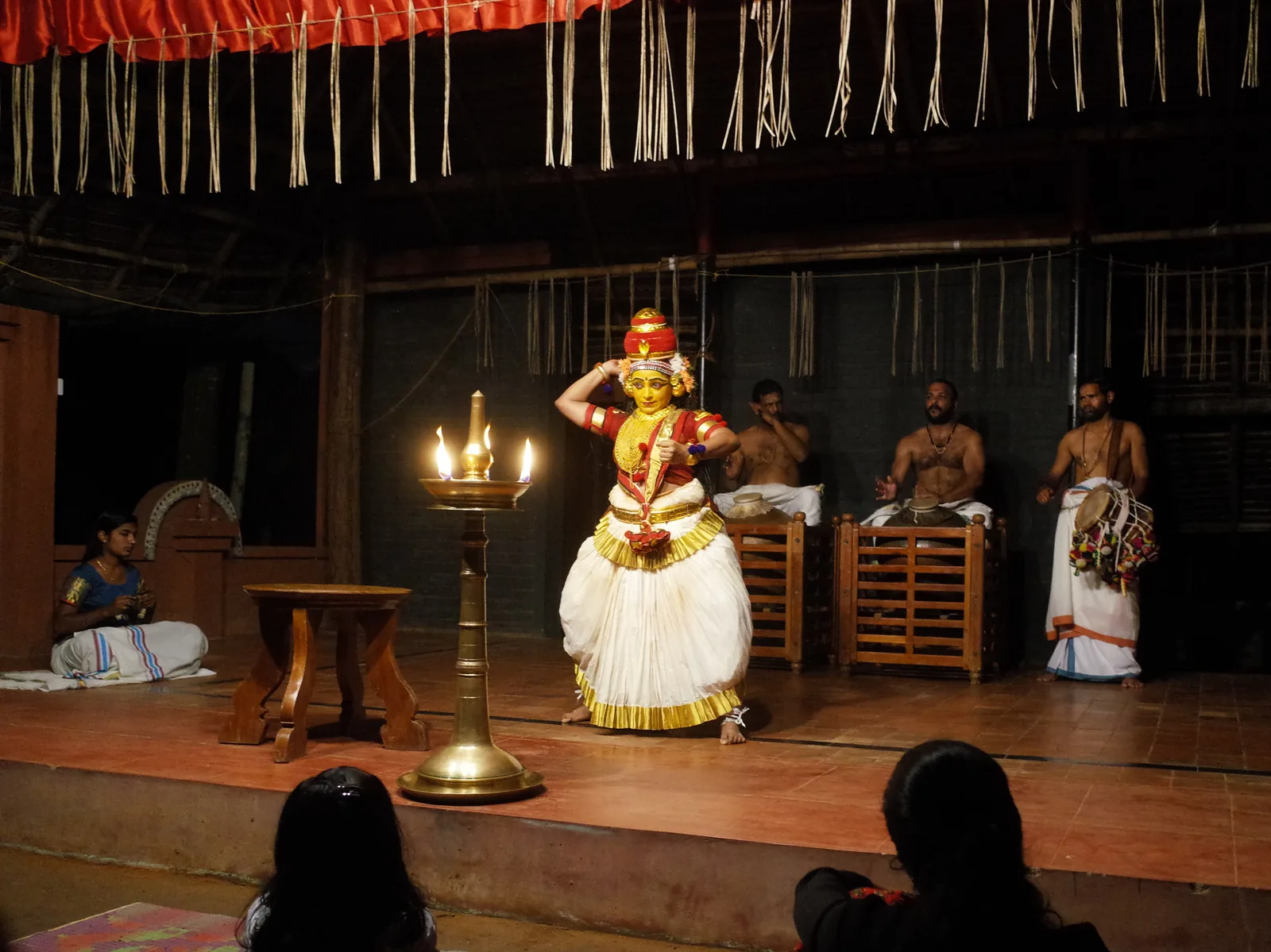
Kutiyattam Sanskrit Theatre (File 00010, Representative List, Decision 3.COM 1, 2008) is one of the world’s oldest living theatre traditions — documented in its present form from the 10th century CE and performed in the kūttampalam (performance hall) inside Hindu temples in Kerala. UNESCO recognized it as one of the earliest surviving forms of classical theatrical performance, combining Sanskrit dramatic texts (nāṭya) with elaborate codified gesture (the mudrā system), music, costume, and facial expression. Performers follow a rigorous training system within the Chākyār caste tradition; the performance itself is extended — full productions can last days — and the transmission of craft knowledge requires intensive apprenticeship. Ramlila — the traditional performance of the Ramayana (File 00110, Representative List, 3.COM, 2008; originally proclaimed UNESCO Masterpiece in 2005) is the annual dramatic re-enactment of the Ramayana performed during Navaratri across northern India — most elaborately at Ramnagar near Varanasi (31-day cycle, over one million attendees). The Tradition of Vedic chant (File 00062, Representative List, 3.COM, 2008; Masterpiece 2003) recognized the living oral transmission of the Vedas — ancient Sanskrit scriptures preserved entirely in memory across generations through a precise system of recitation techniques that maintain pitch, tone, and rhythmic patterns unchanged across millennia. UNESCO characterized the Vedic chanting tradition as “an invaluable intangible cultural heritage of humanity” at risk from contemporary social change reducing the number of full-time practitioners.
The 2009–2014 wave of inscriptions expanded India’s portfolio to cover a wider geographic range. Ramman (File 00281, Representative List, 4.COM, 2009) — a religious festival and ritual theatre of the Garhwal Himalayas — was inscribed as a community practice combining a masked performance of the Ramayana with oracle rituals and a distinctive style of folk music, practiced in the village of Saloor-Dungra in Uttarakhand. Chhau dance (File 00337, 5.COM, 2010) — inscribed across three states, with variants in Seraikella (Jharkhand), Purulia (West Bengal), and Mayurbhanj (Odisha) — is a semi-classical dance with martial and folk traditions, characterized by energetic movements, acrobatic leaps, and masks in the Seraikella and Purulia traditions. Kalbelia folk songs and dances of Rajasthan (File 00340, 5.COM, 2010) recognizes the music and dance of the Kalbelia community — traditionally nomadic snake charmers of Rajasthan — whose distinctive black costumes, sinuous dance movements, and instruments (pungi flute, dufli tambourine) have become internationally recognized. Mudiyettu (File 00345, 5.COM, 2010) is a ritual theatre and dance drama of Kerala performed in Kali temples after the harvest, involving elaborate makeup and costume, community participation, and the enactment of the battle between the goddess Kali and the demon Darika. Thatheras of Jandiala Guru, Punjab (File 00845, 11.COM, 2014) recognized the traditional craft of brass and copper utensil-making — the Thathera community’s hand-hammering technique for producing cooking vessels and ritual objects — as threatened by industrial production of similar items. For India’s official documentation, ich.unesco.org/en/state/india-IN is the authoritative source. For the ICH framework, the UNESCO intangible cultural heritage overview explains the 2003 Convention.
Yoga, Kumbh Mela, Durga Puja, Garba, and Deepavali: India’s UNESCO ICH Inscriptions 2016–2025
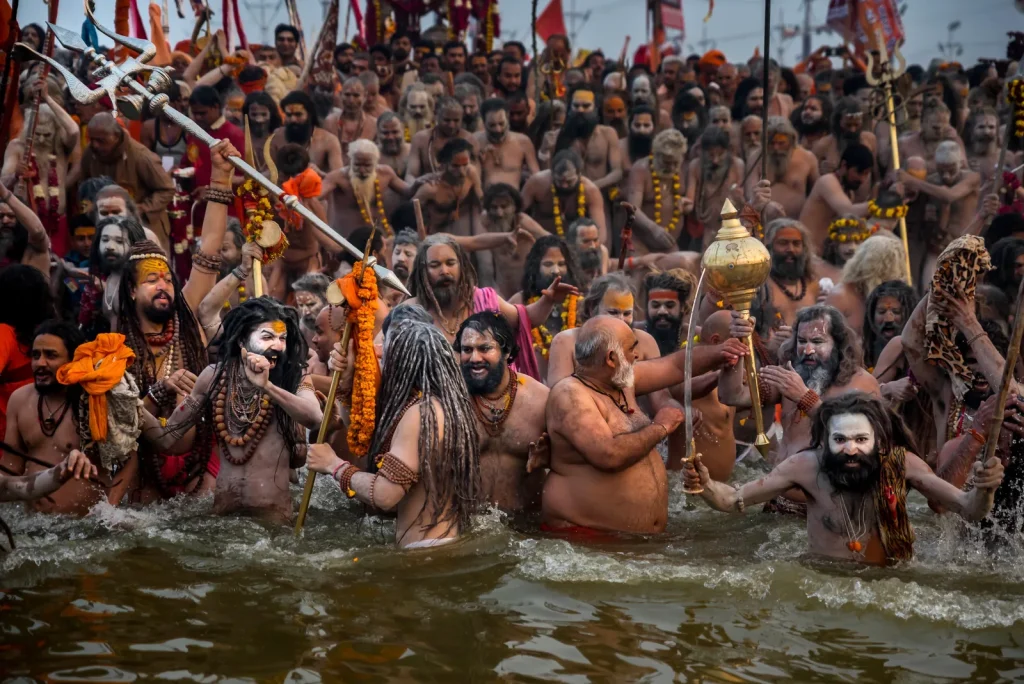
Yoga (File 01163, Representative List, 11.COM, 2016) was inscribed as a comprehensive system of physical, mental, and spiritual practices originating in the Hindu, Buddhist, and Jain philosophical traditions of India — including the asana system, pranayama breathing practices, meditation, and ethical observances. UNESCO’s inscription recognized yoga as a living, transmitted tradition practiced globally but maintained in its authentic form through lineages of Indian practitioners and teachers. Kumbh Mela (File 01258, Representative List, 12.COM, 2017) — the pilgrimage and festival held in rotation at Prayagraj, Haridwar, Nashik, and Ujjain — was inscribed as the world’s largest peaceful gathering, attended by tens of millions over weeks during auspicious conjunctions of the moon, sun, and Jupiter, combining ritual bathing (Shahi Snan), religious discourses, communal living, and mass participation across caste and geographic boundaries. UNESCO explicitly noted the tradition’s role in “fostering the values of equality and inclusivity” — the Kumbh Mela is the only UNESCO ICH element explicitly recognized for its role in religious reconciliation across sectarian differences.
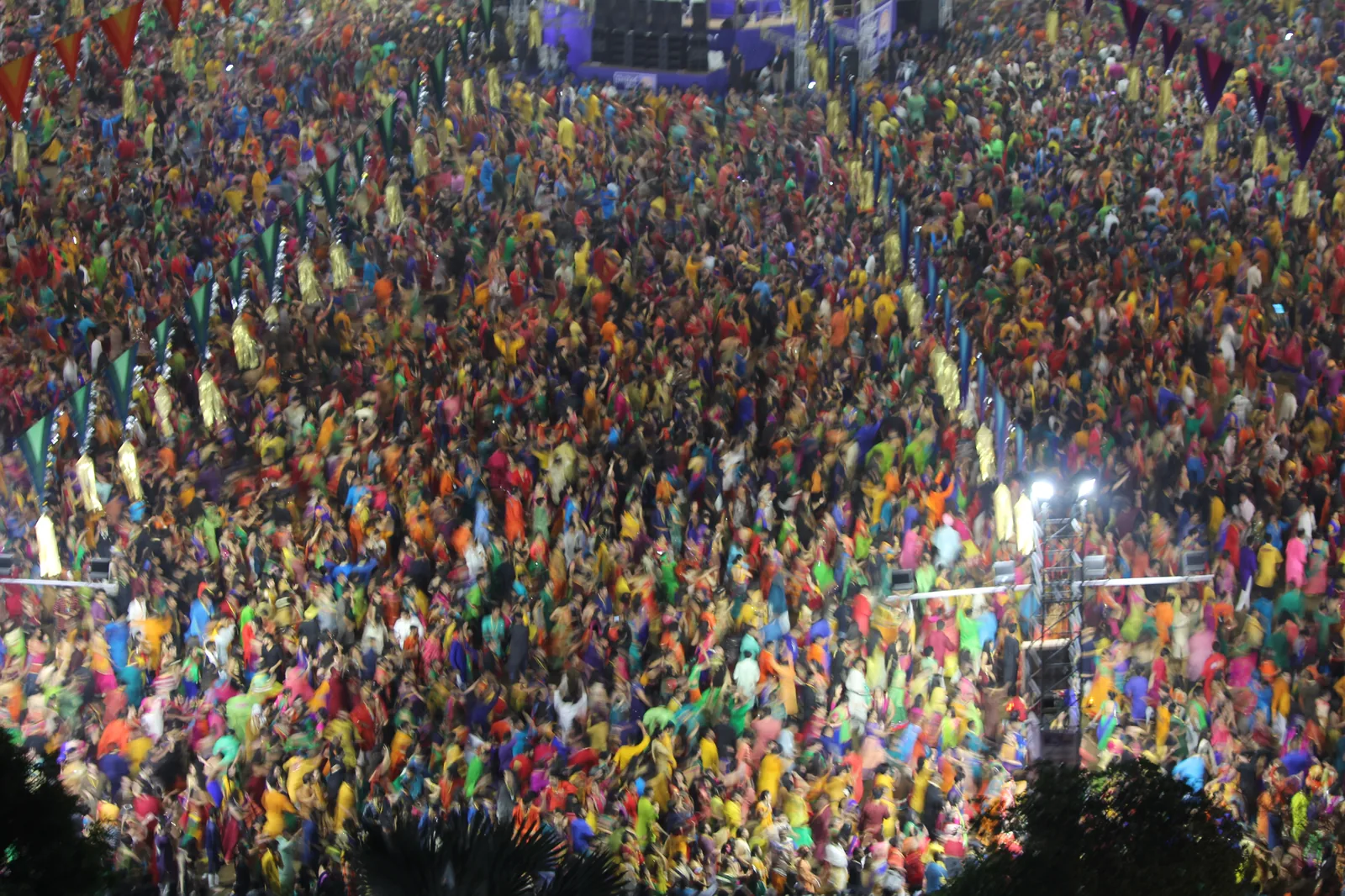
Durga Puja in Kolkata (File 00703/01649, Representative List, 16.COM, 2021) — the annual festival of the goddess Durga celebrated over five days in October/November in Kolkata and West Bengal — was inscribed for its combination of artistic production (elaborate temporary pandal structures housing the goddess image, designed by leading artists), community participation, cultural programming, and urban social gathering that transforms the city. Garba of Gujarat (File 01962, Representative List, 18.COM, 2023) recognized the circular folk dance performed during the nine nights of Navratri by communities in Gujarat — a dance whose concentric circle formations, rhythmic clapping patterns, and devotional character (addressing the goddess Amba) represent one of India’s most widely practiced and internationally recognized folk dance forms. Nowruz/Navroz (File 02097, Representative List, 19.COM, 2024, joint with Iran, Afghanistan, Azerbaijan, India, Iraq, Kazakhstan, Kyrgyzstan, Pakistan, Tajikistan, Turkey, Turkmenistan, and Uzbekistan) recognized the spring equinox New Year festival shared across a vast geographic band of communities. Deepavali (File 02312, Representative List, 20.COM, 2025, joint nomination) — the festival of lights celebrated across South and Southeast Asia — is India’s most recent UNESCO ICH inscription, inscribed at the same session that inscribed the Moroccan Caftan. The Deepavali inscription recognized the festival’s five-day cycle of preparations (oil baths, rangoli, diyas, sweets, fireworks) and its role in celebrating the victory of light over darkness across Hindu, Jain, and Sikh communities.
Frequently Asked Questions
How many UNESCO intangible cultural heritage elements does India have?
India has 16 elements on UNESCO’s Representative List of the Intangible Cultural Heritage of Humanity as of 2025. All 16 are on the Representative List — India has no elements on the Urgent Safeguarding List. India ratified the 2003 Convention on September 9, 2005. The most recent inscriptions are Nowruz/Navroz (2024, joint) and Deepavali (2025, joint).
What was India’s first UNESCO intangible cultural heritage?
India’s first UNESCO ICH inscriptions came at the 3rd session in 2008: Kutiyattam Sanskrit Theatre (File 00010), Ramlila — the traditional performance of the Ramayana (File 00110), and the Tradition of Vedic chant (File 00062). Both Ramlila and Vedic chanting had previously been proclaimed UNESCO Masterpieces of the Oral and Intangible Heritage of Humanity (in 2005 and 2003 respectively) under the predecessor programme before being transferred to the Representative List.
Is Yoga a UNESCO intangible cultural heritage?
Yes. Yoga is inscribed on UNESCO’s Representative List as File 01163 (11th session, 2016). UNESCO recognized it as a comprehensive system of physical, mental, and spiritual practices originating in India’s Hindu, Buddhist, and Jain philosophical traditions, maintained through lineages of practitioners and transmitted through master-disciple relationships and formal training centers.
Is Kumbh Mela a UNESCO intangible cultural heritage?
Yes. Kumbh Mela is inscribed on UNESCO’s Representative List as File 01258 (12th session, 2017). UNESCO recognized it as the world’s largest peaceful gathering — a pilgrimage and festival held in rotation at Prayagraj, Haridwar, Nashik, and Ujjain, combining ritual bathing at auspicious lunar and solar conjunctions with community living, religious discourse, and participation across all social divisions.
Is Deepavali a UNESCO intangible cultural heritage?
Yes. Deepavali — the festival of lights — was inscribed on UNESCO’s Representative List as File 02312 at the 20th session (December 2025) as a joint nomination. The inscription recognized the five-day festival cycle celebrated by Hindu, Jain, and Sikh communities across South and Southeast Asia, encompassing ritual preparations, rangoli patterns, oil lamp lighting (diyas), communal feasting, and the shared celebration of light over darkness.