UNESCO Intangible Cultural Heritage Domains: The 5 Categories of the 2003 Convention
The 2003 Convention for the Safeguarding of the Intangible Cultural Heritage defines intangible cultural heritage (ICH) as the practices, representations, expressions, knowledge, and skills that communities recognize as part of their cultural heritage. Article 2.2 of the Convention groups these practices into five domains: (1) oral traditions and expressions, including language as a vehicle of the intangible cultural heritage; (2) performing arts; (3) social practices, rituals and festive events; (4) knowledge and practices concerning nature and the universe; and (5) traditional craftsmanship. These five domains are not rigid categories — most ICH inscriptions span more than one domain, and the UNESCO Intergovernmental Committee uses the domains as organizational descriptors rather than exclusive classifications. As of 2025, UNESCO’s Representative List contains over 700 elements across 140 countries. Every element on the list is assigned to one or more of the five domains based on the nominating state’s characterization and UNESCO’s documentation review.
- UNESCO’s 2003 Convention Article 2.2 defines five ICH domains: oral traditions and expressions (including language); performing arts; social practices, rituals and festive events; knowledge and practices concerning nature and the universe; and traditional craftsmanship. Elements may be assigned to multiple domains.
- The most populated domain by number of inscriptions is performing arts, which includes music, dance, and theatre traditions — followed by social practices, rituals and festive events. Traditional craftsmanship and knowledge/nature/universe inscriptions are less common but growing.
- Oral traditions and expressions was the founding domain of the predecessor programme — the Proclamation of Masterpieces of the Oral and Intangible Heritage of Humanity (1997–2005) that preceded the 2003 Convention specifically focused on oral heritage, storytelling, and language-embedded traditions.
- The five domains are not ranked and have no priority order. UNESCO’s framework treats them as descriptive categories for documentation and search purposes, not as a hierarchy. A practice inscribed under traditional craftsmanship is not considered more or less significant than one inscribed under oral traditions.
- The 2003 Convention’s five-domain framework replaced the earlier concept of “intangible heritage” that had been confined mainly to folklore studies. The broadening to include knowledge systems (domain 4) and social practices (domain 3) was a deliberate expansion to recognize non-performance-based cultural traditions — particularly those of indigenous and non-Western communities.
The Five UNESCO ICH Domains: Oral Traditions, Performing Arts, Social Practices, Nature Knowledge, and Craftsmanship
The first domain — oral traditions and expressions — encompasses the widest range of verbal cultural heritage: epic poetry recited from memory, folk tales transmitted within families and communities, proverbs and riddles, traditional narratives, and indigenous languages as vehicles of cultural knowledge. UNESCO inscriptions in this domain include the Epic of Manas (Kyrgyzstan, File 00209, 2008) — a three-volume oral epic recited by manaschi bards from memory in Kyrgyz — and the Gelede spectacle (Benin, Nigeria, Togo, File 00108, 2008), a masquerade performance in which the oral component — praise songs addressing the mystical power of women — is as central as the dance. Language itself qualifies under this domain: languages as living carriers of cultural knowledge, proverbs, and worldview are protected through its inscription.
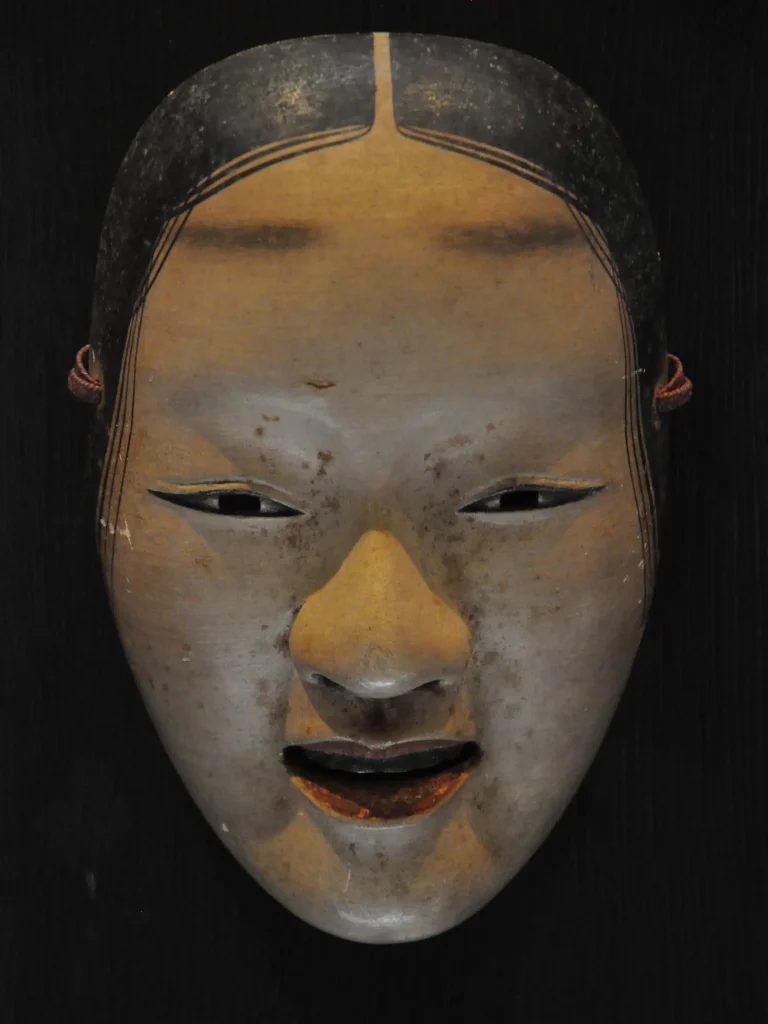
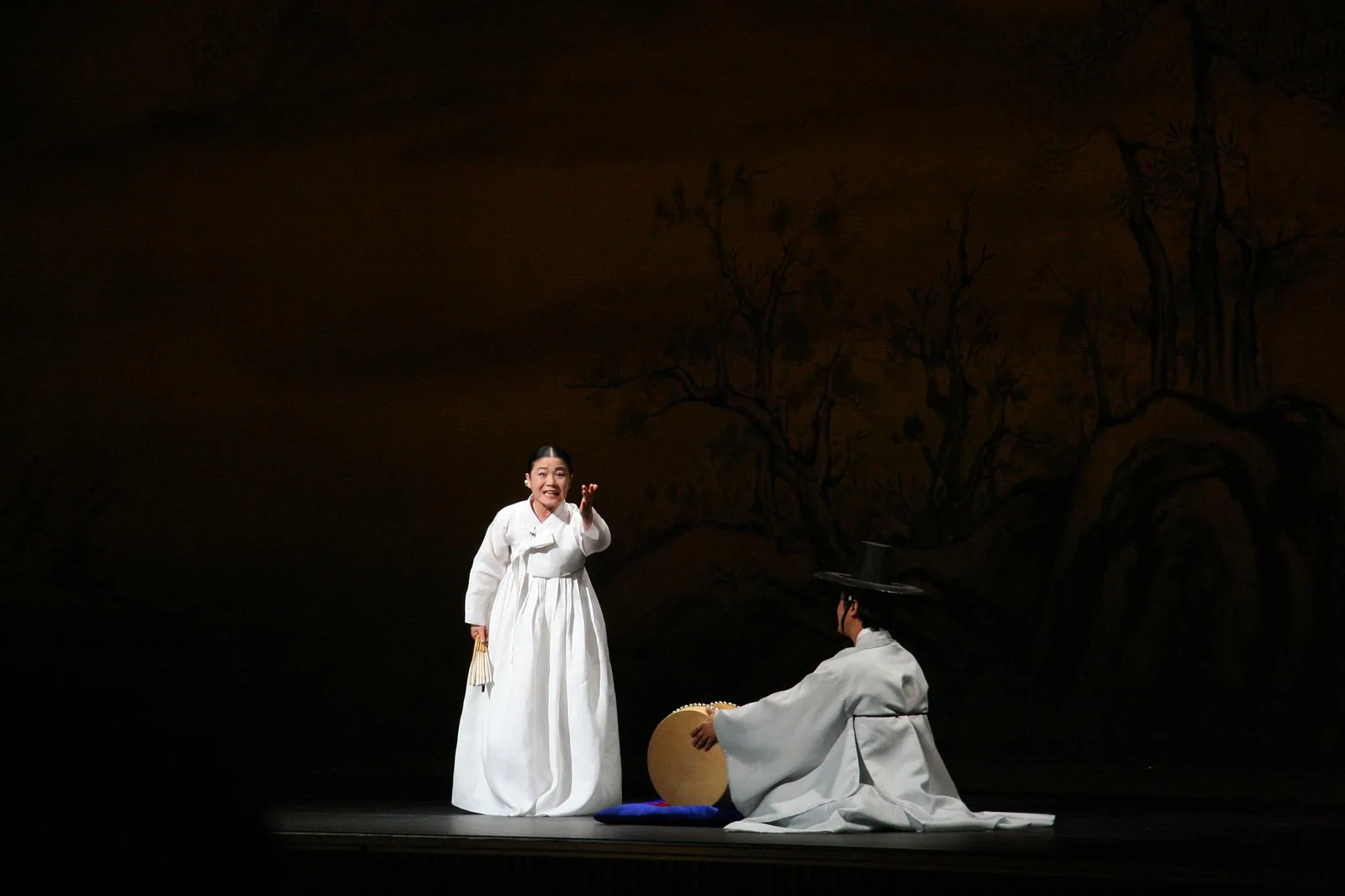
The second domain — performing arts — is the most internationally recognized of the five domains, encompassing music (vocal and instrumental), dance, and theatre. It includes the widest range of inscribed elements by number. Examples span from classical traditions — Noh theatre of Japan (File 00012, 2008), Chinese opera traditions, and Indian classical dance forms — to popular and community performance traditions: Pansori (Korea, File 00070, 2008), Reggae music of Jamaica (File 01398, 2018), Samba de Roda of Recôncavo of Bahia (Brazil, File 00082, 2008), and Blues (United States, inscribed as part of African diaspora music traditions). The performing arts domain also covers the making of instruments used in performance — including the guembri lute of Moroccan Gnawa (File 01170) and the berimbau of Brazilian capoeira (File 00892). For the authoritative documentation, ich.unesco.org/en/lists provides the complete catalogue. For the ICH framework overview, the UNESCO intangible cultural heritage overview explains the 2003 Convention.
Social Practices, Nature Knowledge, and Craftsmanship: How the Three Remaining Domains Define Living Heritage
The third domain — social practices, rituals and festive events — recognizes that the way communities organize collective behavior around shared values and occasions is itself intangible cultural heritage. This domain includes harvest festivals, communal ceremonies, rites of passage, civic rituals, and festive gatherings. Inscriptions include Nowruz (File 00282, 2009, joint nomination by multiple countries) — the Persian/Iranian New Year celebration marked on the spring equinox — the Carnival of Binche (Belgium, File 00063, 2008), the Kimjang communal kimchi-making practice (Republic of Korea, File 00881, 2013), and the Falconry tradition (File 01708, 2016/2021, joint inscription by 24 nations). The domain also covers healing rituals, funeral customs, and social norms transmitted through ceremony. UNESCO specifically includes this domain to recognize that heritage can exist in patterns of collective behavior, not only in objects or performances.
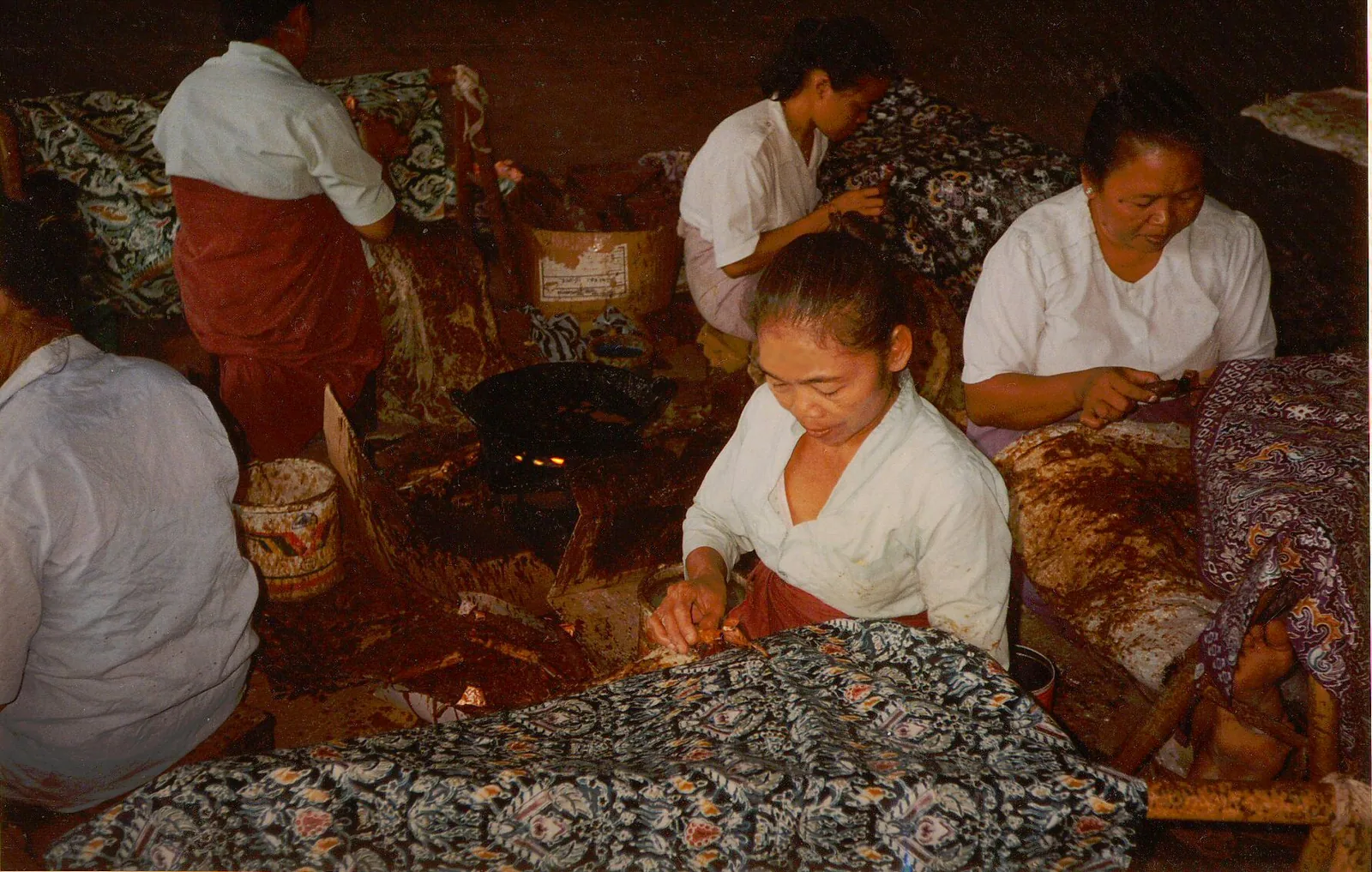
The fourth domain — knowledge and practices concerning nature and the universe — is the most conceptually distinct of the five, recognizing indigenous and traditional ecological knowledge: the understanding of the natural world (plants, animals, weather, celestial cycles) developed by communities over generations and transmitted through practice. This domain covers traditional medicine, cosmology, agricultural knowledge, fishing techniques, and the knowledge of seasonal cycles. Key inscriptions include Washoku (Japan, File 00869, 2013) — whose inscription under this domain (as well as social practices) specifically recognized Japanese seasonal dietary knowledge — and the argan tree knowledge practices of Berber communities in Morocco (File 00955, 2014). The fifth domain — traditional craftsmanship — is the most tangible of the five intangible domains: it covers the making of objects (textiles, ceramics, jewelry, tools, musical instruments) where the ICH value lies not in the objects themselves but in the knowledge, skills, and transmission systems of their makers. The Moroccan Caftan (File 02077, 2025) — with its sfifa braiding, aakad button-making, and regional embroidery traditions — is among the most recent traditional craftsmanship inscriptions. Others include Thatheras of Jandiala Guru (India, File 00845, 2014, brass and copper utensil-making), Oodi carpet-weaving traditions, and the art of miniature (joint inscription by multiple Central Asian states, 2021). The five-domain framework as a whole ensures that UNESCO’s ICH coverage is not limited to “exotic performance” but encompasses the full range of ways human communities encode and transmit cultural knowledge.
Frequently Asked Questions
What are the 5 domains of UNESCO intangible cultural heritage?
The five domains defined in Article 2.2 of the 2003 Convention are: (1) oral traditions and expressions, including language as a vehicle of intangible cultural heritage; (2) performing arts; (3) social practices, rituals and festive events; (4) knowledge and practices concerning nature and the universe; and (5) traditional craftsmanship. Elements inscribed on UNESCO’s ICH lists are assigned to one or more of these domains based on the nominating state’s documentation.
Which UNESCO ICH domain has the most inscriptions?
Performing arts is the domain with the largest number of inscriptions on UNESCO’s Representative List — it includes music, dance, and theatre traditions from around the world. Social practices, rituals and festive events is the second most populated domain. Traditional craftsmanship and knowledge/nature/universe have grown significantly since the 2003 Convention came into force but remain smaller in absolute numbers.
Can a UNESCO ICH element belong to more than one domain?
Yes. Most UNESCO ICH inscriptions are assigned to two or more domains. For example, Kimjang (making and sharing kimchi, File 00881) is assigned to both social practices, rituals and festive events AND knowledge and practices concerning nature and the universe — reflecting both its function as a community-bonding event and its embedded ecological knowledge of fermentation and seasonal cycles. The five domains are descriptive categories for documentation, not exclusive classifications.
What is the “knowledge and practices concerning nature and the universe” domain?
This domain covers traditional and indigenous ecological knowledge systems: understanding of plants, animals, weather, celestial cycles, and natural processes developed by communities and transmitted through practice. It includes traditional medicine, agricultural knowledge, fishing techniques, and seasonal food systems. Key inscriptions include Washoku (Japan, File 00869, 2013) and argan tree knowledge of Berber communities in Morocco (File 00955, 2014). This domain was deliberately included in the 2003 Convention to recognize indigenous knowledge systems not captured by the earlier oral heritage framework.
Is language a domain of UNESCO intangible cultural heritage?
Language is included within the first domain — oral traditions and expressions — as a “vehicle of intangible cultural heritage.” UNESCO does not inscribe languages themselves as ICH elements; instead, languages are recognized as carriers of cultural knowledge inscribed under other domains. UNESCO’s main language preservation framework is the Atlas of the World’s Languages in Danger, which operates separately from the ICH Convention system.