 Representative ListInscribed 2018
Description
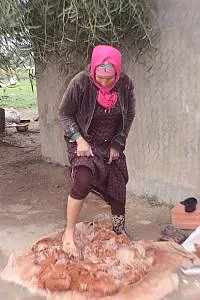
The pottery skills of the women of Sejnane relate to the practice of using a specific technique to produce terracotta artefacts for the home, including cooking utensils, dolls and animal figurines inspired by the environment. All stages of the pottery-making process are performed by women, who also sell the pots in the village and by the side of neighbouring roads; women therefore occupy a prominent place in the community. The clay is usually extracted from wadi beds, and is then cut into blocks, crushed, purified and soaked in water, before being kneaded and shaped. Once fired, the pots are then decorated with two-tone geometrical patterns reminiscent of traditional tattoos and Berber weaving. Men are involved in the sales process, making this a family-based craft that promotes family cohesion. Faced with socioeconomic changes, the women of Sejnane have adapted their craft to modern-day needs and fluctuations in demand, showing their capacity for innovation. The knowledge and skills relating to the craft of handmade pottery in Sejnane are passed down through traditional and informal education, in communities where daughters are encouraged to learn this art of firing alongside going to school. The National Office for Crafts also delivers training courses for young women in the community who want to dedicate themselves to this activity.
Country
TunisiaOther heritage elements in Tunisia
Representative List · Inscribed 2025Arabic KohlRepresentative List · Inscribed 2024Performing arts among the Twāyef of GhbontenRepresentative List · Inscribed 2024Henna: rituals, aesthetic and social practicesRepresentative List · Inscribed 2023Arts, skills and practices associated with engraving on metals (gold, silver and copper)Representative List · Inscribed 2022Date palm, knowledge, skills, traditions and practicesRepresentative List · Inscribed 2022Harissa, knowledge, skills and culinary and social practices
More Representative List elements
Inscribed 2023Traditional knowledge and skills of production of the atlas and adras fabricsInscribed 2024Henna: rituals, aesthetic and social practicesInscribed 2015Al-Razfa, a traditional performing artInscribed 2020Pilgrimage to the St. Thaddeus Apostle MonasteryInscribed 2021Al-Qudoud al-HalabiyaInscribed 2022Crafting and playing the Oud
Also inscribed in 2018
- Suri Jagek (observing the sun), traditional meteorological and astronomical practice based on the observation of the sun, moon and stars in reference to the local topography
- Heritage of Dede Qorqud/Korkyt Ata/Dede Korkut, epic culture, folk tales and music
- Rūkada Nātya, traditional string puppet drama in Sri Lanka
- Shadow play
- Horse and camel Ardhah
- Dondang Sayang
Data Source: UNESCO Intangible Cultural Heritage · UNESCO listing