 Representative ListInscribed 2021
Description
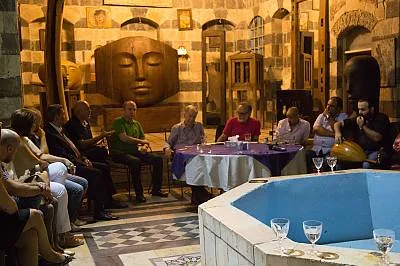
Al-Qudoud al-Halabiya is a form of traditional music from Aleppo with a fixed melody. Sung for religious and entertainment purposes, the lyrics vary according to the type of event. Well-versed singers can improvise lyrics according to what is happening around them. They are known to use deep vocals and to reach a peak while holding a long note or repeating a phrase, sending their audiences into what is referred to as tarab, or exultation. Communities describe the emotional state they experience when performers reach this peak as ‘being drunk without drinking’. The audience plays a key role in inspiring the performer’s creativity. They traditionally dance to the music by holding their arms out and moving the upper body. Qudoud music is accompanied by a musical ensemble. Aleppans continue to perform the music in the alleyways and souks of the old city. Influenced by social changes while retaining its traditional elements, qudoud has also spread to other parts of the city. Lyrics of a non-religious nature have been added, telling stories of life, love, tradition and honour, sometimes taken from popular poetry. Qudoud is a vital part of Aleppan culture and is viewed as a source of resilience, particularly during war. Knowledge is transmitted informally between mentors and youth, and formally through school curricula, media broadcasts and programmes.
Country
SyriaOther heritage elements in Syria
Representative List · Inscribed 2025Arabic KohlRepresentative List · Inscribed 2025Bisht (men's Abaa): skills and practicesRepresentative List · Inscribed 2024Craftsmanship of Aleppo Ghar soapUrgent Safeguarding List · Inscribed 2023Traditional Syrian glassblowingRepresentative List · Inscribed 2022Crafting and playing the OudRepresentative List · Inscribed 2021Falconry, a living human heritage
More Representative List elements
Inscribed 2020Camel racing, a social practice and a festive heritage associated with camelsInscribed 2008Mask dance of the drums from DrametseInscribed 2025Koshary, daily life dish and practices associated with itInscribed 2020Art of miniatureInscribed 2010Semah, Alevi-Bektaşi ritualInscribed 2023Craftsmanship and performing art of balaban/mey
Also inscribed in 2021
- Falconry, a living human heritage
- Traditional craft skills and arts of Al-Naoor
- Bakhshi art
- Nomad games, rediscovering heritage, celebrating diversity
- Fjiri
- Durga Puja in Kolkata
Data Source: UNESCO Intangible Cultural Heritage · UNESCO listing