 Representative ListInscribed 2024
Description
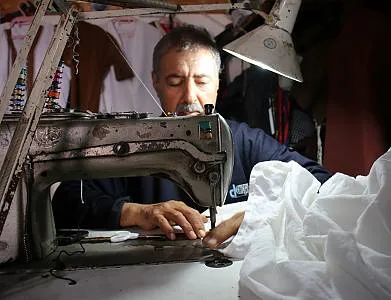
In Tunisia, the Twāyef are troupes of poet singers affiliated with the Ghbonten tribe. The troupes perform chants or songs wearing white robes and scarlet chechias (caps). They are accompanied by the sounds of the chenna, a traditional drum. Consisting of a leader and a group of male performers, each troupe boasts a unique repertoire of songs that range from sacred to secular, blending humour and solemnity and fostering an atmosphere of camaraderie and spontaneity. The practice dates back to the mid-19th century, following the abolition of slavery in Tunisia in 1846. In this context of liberation, the community created this form of expression, which had African, Berber and Arab influences. Increasingly popular with the public, the performances have moved beyond traditional settings and are now often seen at festivals and other events. The women assist by preparing the garments and burning incense before the show. Craftspeople make the costumes, including the robes, pants, shoes and chechias. The practice is transmitted informally within families and communities, orally and through observation. It is a festive, intergenerational practice that attracts and engages children through its playful and light-hearted atmosphere. For practising communities, it is an identifying and unifying factor and a means of transmitting social norms.
Country
TunisiaOther heritage elements in Tunisia
Representative List · Inscribed 2025Arabic KohlRepresentative List · Inscribed 2024Henna: rituals, aesthetic and social practicesRepresentative List · Inscribed 2023Arts, skills and practices associated with engraving on metals (gold, silver and copper)Representative List · Inscribed 2022Date palm, knowledge, skills, traditions and practicesRepresentative List · Inscribed 2022Harissa, knowledge, skills and culinary and social practicesRepresentative List · Inscribed 2021Arabic calligraphy: knowledge, skills and practices
More Representative List elements
Inscribed 2012Al ‘azi, elegy, processional march and poetryInscribed 2015Majlis, a cultural and social spaceInscribed 2017Spring celebration, HıdrellezInscribed 2016YogaInscribed 2021Arabic calligraphy: knowledge, skills and practicesInscribed 2021Falconry, a living human heritage
Also inscribed in 2024
- Henna: rituals, aesthetic and social practices
- Art of crafting and playing rubab/rabab
- Tandir craftsmanship and bread baking in Azerbaijan
- Kebaya: knowledge, skills, traditions and practices
- Breakfast culture in Malaysia: dining experience in a multi-ethnic society
- Myanmar traditional New Year Atā Thingyan festival
Data Source: UNESCO Intangible Cultural Heritage · UNESCO listing