 Representative ListInscribed 2017
Description
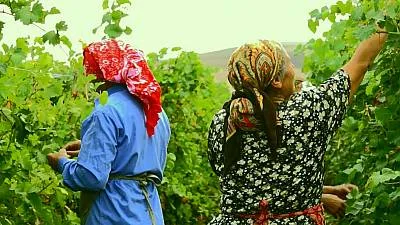
Dolma tradition is a set of knowledge and skills relating to the preparation of the traditional meal ‘dolma’, which takes the form of small fillings (containing meat, onion, rice, peas and spices) wrapped in fresh or pre-cooked leaves or stuffed in fruits and vegetables. The name of the tradition originates from the shortened Turkic word ‘doldurma’, meaning ‘stuffed’. The meal is shared within families or local communities, with different methods, techniques and ingredients used to prepare the traditional meal by different communities. The tradition is present throughout the Republic of Azerbaijan, and is perceived as a central culinary practice in all regions. It is enjoyed on special occasions and gatherings and expresses solidarity, respect and hospitality. It is transmitted from generation to generation and transcends ethnic and religious boundaries within the country. Bearers consist of traditional cooking practitioners, mostly women, and the wider community of people that use dolma for various cultural and social purposes. The tradition is transmitted through parent-child relationships, while formal transmission mainly occurs in vocational and apprenticeship schools. The element enjoys great visibility within Azerbaijani society, and its viability is ensured by the communities through numerous awareness-raising activities and events such as festivals, vocational schools that teach the tradition and the preparation of publications on the subject.
Country
AzerbaijanOther heritage elements in Azerbaijan
Representative List · Inscribed 2024Nawrouz, Novruz, Nowrouz, Nowrouz, Nawrouz, Nauryz, Nooruz, Nowruz, Navruz, Nevruz, Nowruz, NavruzRepresentative List · Inscribed 2024Tandir craftsmanship and bread baking in AzerbaijanRepresentative List · Inscribed 2023Craftsmanship and performing art of balaban/meyRepresentative List · Inscribed 2023Iftar/Eftari/Iftar/Iftor and its socio-cultural traditionsRepresentative List · Inscribed 2023Art of illumination: Təzhib/Tazhib/Zarhalkori/Tezhip/NaqqoshlikRepresentative List · Inscribed 2023Craftsmanship of mother of pearl inlay
More Representative List elements
Inscribed 2008Baul songsInscribed 2023Ceramic arts in UzbekistanInscribed 2020Camel racing, a social practice and a festive heritage associated with camelsInscribed 2013Mediterranean dietInscribed 2023Sadeh/Sada celebrationInscribed 2016Flatbread making and sharing culture: Lavash, Katyrma, Jupka, Yufka
Also inscribed in 2017
- Kumbh Mela
- Whistled language
- Al Azi, art of performing praise, pride and fortitude poetry
- Traditional art of Shital Pati weaving of Sylhet
- Art of crafting and playing with Kamantcheh/Kamancha, a bowed string musical instrument
- Kok boru, traditional horse game
Data Source: UNESCO Intangible Cultural Heritage · UNESCO listing