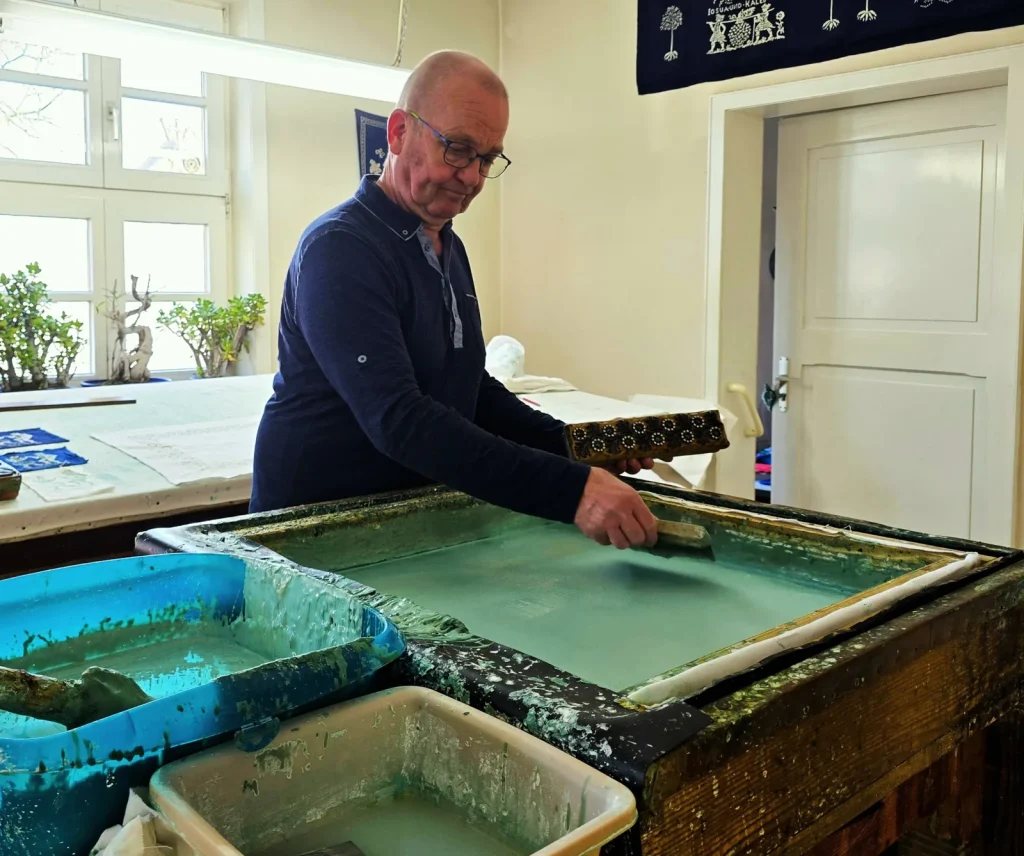
UNESCO Intangible Cultural Heritage News: 2025 Recap
In December 2025, the United Nations Educational, Scientific and Cultural Organization held its twentieth session of the Intergovernmental Committee for the Safeguarding of the Intangible Cultural Heritage in New Delhi, India — and the outcomes were historic. 67 living cultural practices from 77 countries were examined for inscription, making it the largest single-session inscription event in the program’s history. Celebrations from India, craft traditions from Japan and Vietnam, and endangered folk instruments from Pakistan and Uzbekistan were among the practices that received global recognition. With the 2025 additions, UNESCO’s intangible heritage lists now encompass 849 cultural practices across 157 countries — a milestone that underscores the growing global commitment to preserving living traditions before they disappear.
- The 20th UNESCO ICH Committee session in New Delhi (December 8–13, 2025) inscribed 67 elements — the most in a single session to date.
- Deepavali became India’s 16th element on UNESCO’s Intangible Cultural Heritage lists, inscribed on December 10, 2025.
- Seven countries — Barbados, Chad, Comoros, El Salvador, Gabon, Libya, and São Tomé and Príncipe — received their first-ever UNESCO ICH inscriptions.
- Two elements were transferred from the Urgent Safeguarding List to the Representative List, showing successful community-led revitalization.
- The next UNESCO ICH Committee session (21.COM) is scheduled for November 30, 2026, in Xiamen, China.
What Happened at the 20th UNESCO ICH Committee Session in New Delhi
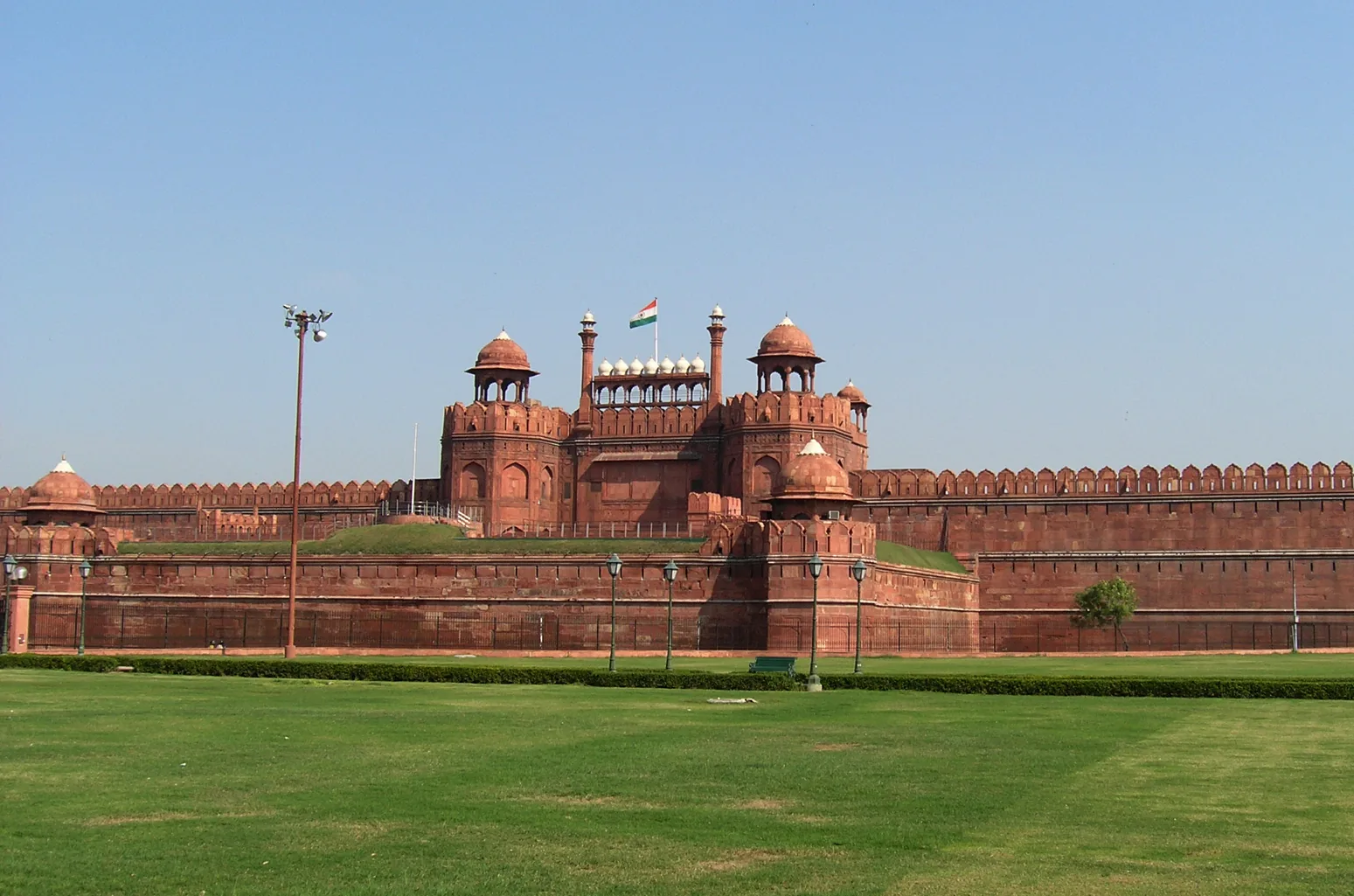
The twentieth session of the Intergovernmental Committee for the Safeguarding of the UNESCO Intangible Cultural Heritage convention took place at the Red Fort complex in New Delhi — itself a UNESCO World Heritage Site. The choice of venue was deliberate: hosting the meeting inside a protected monument symbolized the convergence of India’s tangible and intangible heritage. Over six days, the Committee reviewed nominations submitted by 78 states and adopted 20 formal decisions covering inscriptions, safeguarding funding, and governance.
Session Dates, Venue, and Record Attendance
The session ran from Monday 8 to Saturday 13 December 2025 at the Red Fort, New Delhi. The Committee was chaired by H.E. Vishal V. Sharma, Ambassador and Permanent Delegate of India to UNESCO. More than 1,400 participants attended in person — the largest attendance figure in the session’s history, with delegations from over 180 countries present. The 24 member states of the Committee conducted formal proceedings, while observers from NGOs, academic institutions, and community representatives filled the galleries. India’s Ministry of Culture organized an accompanying public cultural program, transforming the Red Fort grounds into a showcase of living heritage from across Asia and beyond.
Breakdown of the 67 Inscriptions Across Three UNESCO Lists
UNESCO’s intangible heritage framework maintains three distinct mechanisms for recognizing and protecting living cultural practices. The 2025 session made entries across all three, as shown below:
| List / Register | Elements Inscribed in 2025 | Cumulative Total |
|---|---|---|
| Representative List of the ICH of Humanity | 53 (+ 2 transfers in) | Major share of 849 |
| List of ICH in Need of Urgent Safeguarding | 11 (− 2 transfers out) | Updated total |
| Register of Good Safeguarding Practices | 1 programme selected | Updated total |
| Overall (all lists combined) | 67 elements from 77 countries | 849 practices, 157 countries |
The two transfers from the Urgent Safeguarding List to the Representative List are particularly significant: they represent cases where communities, governments, and cultural practitioners worked together to revitalize endangered traditions to the point that they no longer face imminent risk. According to UNESCO’s official summary, 9 of the inscribed elements were multinational nominations, submitted jointly by 28 countries — reflecting the reality that many living traditions cross national borders.
Seven Countries That Received Their First UNESCO ICH Inscription in 2025
One of the most consequential outcomes of the New Delhi session was the expansion of the program’s global reach. Seven countries received their first-ever UNESCO intangible heritage inscription in 2025:
- Barbados — the landships tradition, in which community groups organized like naval vessels perform dances blending maritime culture with African heritage
- Chad
- Comoros
- El Salvador
- Gabon
- Libya
- São Tomé and Príncipe
These first-time inscriptions signal that the convention is continuing to broaden its reach, particularly in sub-Saharan Africa and the Caribbean. Notably, the 2025 session inscribed 9 African elements from 13 countries, reflecting the continent’s growing engagement with UNESCO’s safeguarding mechanisms. UN News reported that the Africa-focused inscriptions ranged from spiritual dances in Kenya to ancestral weaving traditions in Belarus-adjacent communities.
Thematic Focus: Traditional Craftsmanship and Practice by Hand
Beyond the statistics, the 2025 session had a discernible thematic identity: “practice by hand.” A striking share of the nominated elements were forms of traditional craftsmanship — handmade instruments, weaving techniques, salt-harvesting methods, and printing traditions that require embodied skill passed from practitioner to apprentice. UNESCO framed this explicitly, noting that such practices are not merely symbolic but generate sustainable livelihoods for the communities that carry them. The session also processed 96 new NGO accreditation requests and reviewed 89 activity reports, reflecting the administrative infrastructure that supports safeguarding work between sessions.
Notable 2025 UNESCO ICH Inscriptions: Deepavali, Sake, and Vietnamese Woodblock Art
Within the 67 inscriptions, several attracted global media attention for their cultural significance or geographic reach. From one of India’s most widely celebrated festivals to an ancient Japanese brewing tradition and endangered folk arts in Southeast Asia, the 2025 list reflects the full breadth of what UNESCO considers living heritage. It also includes a growing number of practices whose communities describe them as facing existential pressure — from urbanization, generational disinterest, or economic displacement.
Deepavali Inscribed as India’s 16th UNESCO Intangible Cultural Heritage Element
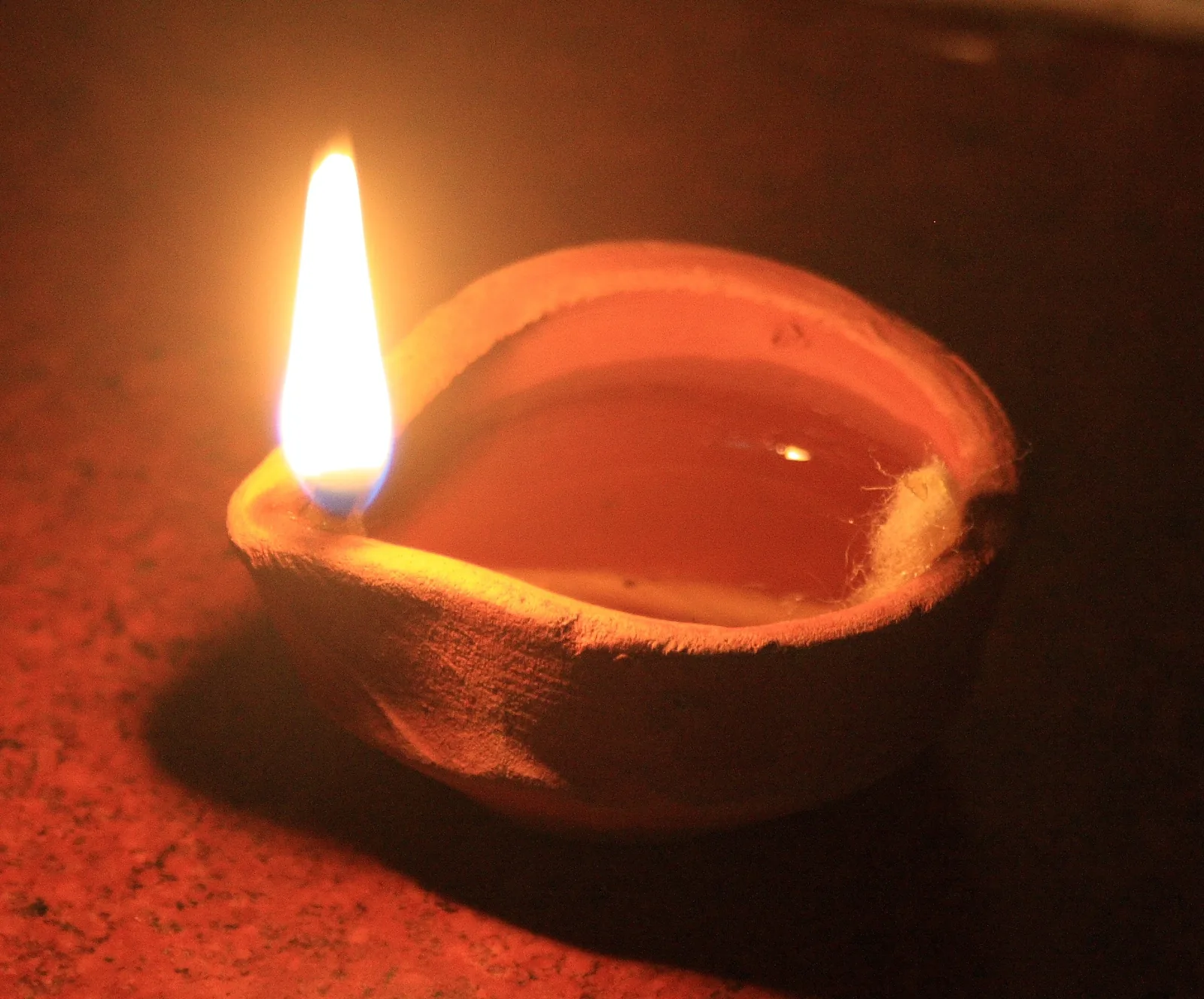
The inscription that generated the most international coverage was Deepavali (Diwali). On December 10, 2025, the Committee officially added the festival to the Representative List of the Intangible Cultural Heritage of Humanity, under the domain of social practices, rituals and festive events. India nominated the festival, which marks the country’s 16th element on UNESCO’s ICH lists — see the full India UNESCO intangible cultural heritage list for context on all 16.
UNESCO Regional Director Tim Curtis stated:
“This inscription is a recognition for all people who keep this heritage alive — the elders who safeguard and pass on this knowledge.”
India’s Secretary of Culture Vivek Aggarwal added:
“Deepavali is more than just a festival — it is deeply rooted in Indian culture, and celebrated across India and all around the world.”
The inscription acknowledges the festival’s role in “commemorating the victory of good over evil, the triumph of light, and the unity and diversity of the Indian diaspora around the world.”
Other Significant 2025 Inscriptions: Sake, Đông Hồ Printing, and Intore Dance
Beyond Deepavali, several other elements inscribed in December 2025 drew attention from heritage scholars and cultural practitioners:
- Artisanal sake-making knowledge (Japan) — the traditional craft of fermenting rice to produce sake, recognized for its blend of ecological knowledge and centuries-old technique
- Đông Hồ folk woodblock printing (Vietnam) — colorful prints produced in Bắc Ninh province using carved wooden blocks, depicting worship, history, and daily life; placed on the Urgent Safeguarding List
- Intore dance (Rwanda) — a traditional warrior and court dance form now performed at ceremonies and cultural events
- Equestrian art (Portugal) — the traditional school of horsemanship and its associated crafts
- Tomyum soup preparation (Thailand) — the culinary knowledge and social practices surrounding Thailand’s iconic sour-spicy soup
- Asin Tibuok sea salt (Philippines) — artisanal salt produced on the island of Bohol using traditional clay pots; also placed on the Urgent Safeguarding List due to dwindling practitioners
- Tangail sarees (Bangladesh) — handwoven silk and cotton textiles from Tangail district, worn widely at ceremonies and festivals
Urgent Safeguarding: 11 Practices at Risk of Disappearing
While the Representative List celebrates living traditions with active bearer communities, the List of Intangible Cultural Heritage in Need of Urgent Safeguarding flags practices whose transmission is under severe threat. In 2025, eleven elements were added to this list, signalling that without immediate intervention, they risk disappearing within a generation:
- Đông Hồ folk woodblock printing — Vietnam
- Mwazindika spiritual healing dance — Kenya
- Boreendo clay wind instrument making — Pakistan
- Kobyz string instrument tradition — Uzbekistan
- Lahuta sung epic tradition — Albania
- Quincha earthen construction technique — Panama
- Negliubka weaving and embroidery — Belarus
- Moliceiro painted boat culture — Portugal
- Landships community performances — Barbados
- Asin Tibuok sea salt crafting — Philippines
- Ñai’ũpo ceramics tradition — Paraguay
Placement on the Urgent Safeguarding List does not mean a tradition is dying — it means it needs targeted international attention and funding. UNESCO’s International Assistance Fund channels resources to states party to the convention for safeguarding programs, training, and community engagement projects. States with newly listed elements are required to submit periodic reports on their safeguarding activities, and the Committee can request additional information if progress stalls. The 2025 session also reviewed applications for this fund as part of its 20 formal decisions, approving disbursements to multiple countries with elements on the Urgent List.
The most striking development of the 2025 session was not any single new inscription, but the fact that two previously urgent-listed practices were transferred to the Representative List — evidence that the safeguarding system works. Readers who want to track all 849 practices, follow emerging 2026 nominations, or explore the full database by country and domain can do so directly at ich.unesco.org/en/lists. The next session — 21.COM — convenes in Xiamen, China on November 30, 2026, where a new cycle of nominations will be evaluated.
Frequently Asked Questions
What new elements were added to UNESCO’s intangible cultural heritage list in 2025?
UNESCO’s 20th ICH Committee session in December 2025 added 67 elements, including Deepavali (India), sake-making (Japan), Đông Hồ folk woodblock printing (Vietnam), Intore dance (Rwanda), and Asin Tibuok sea salt (Philippines).
Where was the 2025 UNESCO ICH Committee session held?
The twentieth session took place at the Red Fort complex in New Delhi, India from December 8–13, 2025, chaired by H.E. Vishal V. Sharma, India’s Ambassador to UNESCO.
Which countries received their first UNESCO ICH inscription in 2025?
Seven countries made their UNESCO ICH debut in 2025: Barbados, Chad, Comoros, El Salvador, Gabon, Libya, and São Tomé and Príncipe.
When is the next UNESCO intangible cultural heritage session?
The 21st session of the UNESCO ICH Committee (21.COM) is scheduled for November 30, 2026, in Xiamen, China, where a new cycle of nominations will be evaluated.
How many practices are currently on UNESCO’s intangible heritage lists?
As of the December 2025 session, 849 cultural practices across 157 countries are recognized on UNESCO’s three intangible heritage lists.