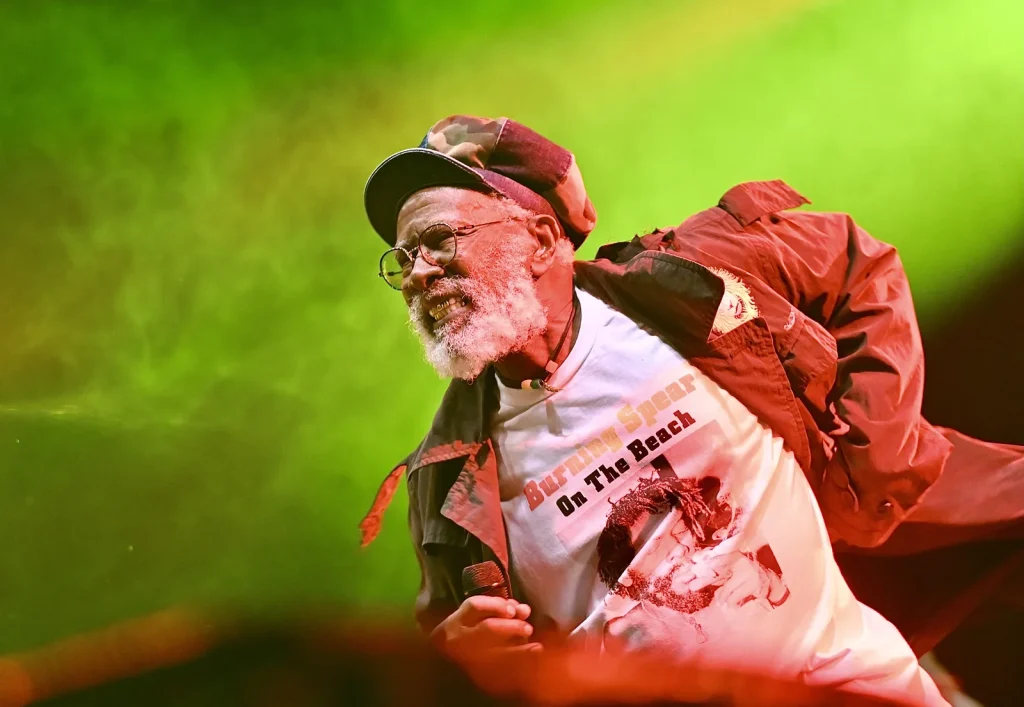
Reggae Music of Jamaica: UNESCO Intangible Cultural Heritage (File 01398)
Reggae music of Jamaica — the rhythm-driven popular music that emerged in Kingston in the late 1960s and became the defining musical export of the Caribbean, channeling Rastafarian spirituality, social protest, and cultural identity into a global listening tradition — was inscribed on UNESCO’s Representative List of the Intangible Cultural Heritage of Humanity on November 29, 2018, at the 13th session of the Intergovernmental Committee (13.COM), held in Port Louis, Mauritius. The inscription — registered under File 01398 — formally recognized reggae as a living musical tradition of Jamaica, transmitted through community performance and intergenerational learning, and acknowledged the music’s role as, in UNESCO’s words, “a voice for all” — a vehicle for social commentary, spiritual practice, and human expression that transcends its island origins.
- Reggae music of Jamaica is inscribed on UNESCO’s Representative List as File 01398, inscribed on November 29, 2018 (13.COM, Port Louis, Mauritius) — making it the second Jamaican UNESCO ICH element after Maroon Heritage of Moore Town (2008).
- UNESCO’s inscription noted reggae’s origins in marginalized communities of Western Kingston, recognizing the music’s development as a voice of social protest and cultural identity among communities historically excluded from mainstream Jamaican society.
- Reggae emerged in Jamaica around 1968, developing from the earlier Jamaican styles of mento, ska (c. 1960), and rocksteady (c. 1966–1968) — each stage slowing the tempo and deepening the bass prominence that defines the reggae sound.
- The distinctive reggae rhythm centers on the “skank” — a guitar or keyboard chord struck on the offbeat (the “and” of beats two and four) — combined with heavy bass lines and a drumbeat that emphasizes the third beat of the measure, creating the characteristic rolling lurch of the genre.
- UNESCO specifically identified reggae’s social functions as unchanged since its origins: “a vehicle for social commentary, a cathartic practice, and a means of praising God” — recognizing the music as simultaneously political, therapeutic, and spiritual.
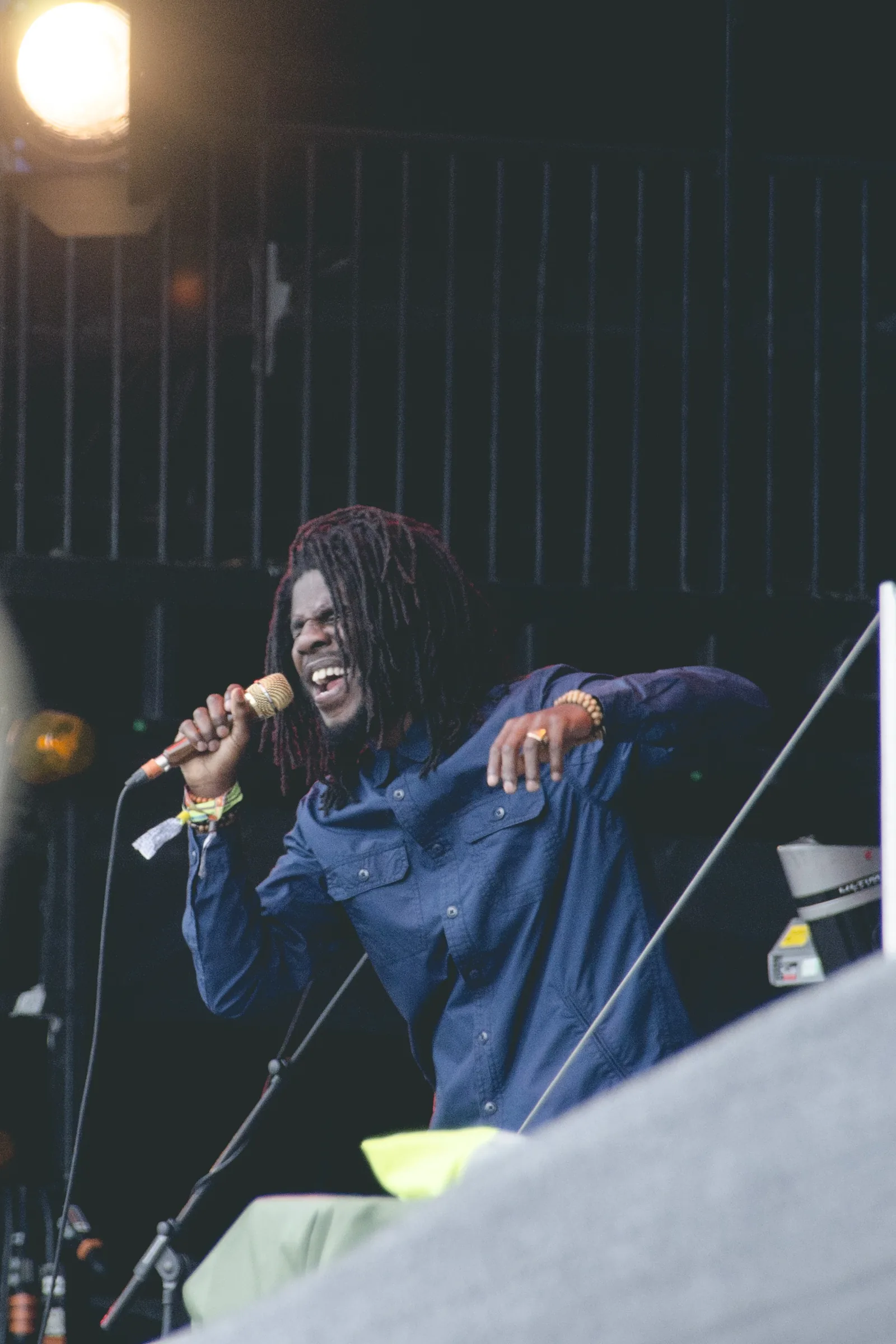
Reggae Origins in Jamaica and UNESCO Inscription
Reggae developed within a sequence of distinctively Jamaican popular music forms that emerged after independence (1962) in Kingston’s recording studios and dance halls. The stylistic genealogy begins with mento — Jamaica’s indigenous folk music, incorporating African and European elements — and moves through two intermediate forms:
- Ska (c. 1960–1966): A fast, syncopated style influenced by American R&B and jazz, characterized by a fast tempo with guitar and keyboard accents on the upbeats. Ska was Jamaica’s first internationally distributed popular style, reaching Britain’s Jamaican diaspora community.
- Rocksteady (c. 1966–1968): A slower, heavier form that shifted the focus from horn-led arrangements to a prominent bass guitar, reducing the ska rhythm’s frantic pace while deepening the harmonic gravity that would define reggae.
Reggae emerged from rocksteady around 1968 — the word “reggae” itself first appeared on a recording in 1968 with Toots and the Maytals’ “Do the Reggay.” The new style was distinguished by its characteristic offbeat guitar strum (the “skank”), its heavy and melodically active bass lines, and a drumbeat pattern that emphasized the third beat of the four-beat measure rather than the standard rock backbeat on beats two and four. The tempo was slower than rocksteady, with a loping, rolling feel that accommodated both dancing and reflective listening.
UNESCO’s inscription specifically documented reggae’s social origins: the music developed in Western Kingston — the densely populated, economically marginalized yards and neighborhoods of downtown Kingston — among communities living in conditions of poverty, political disenfranchisement, and cultural exclusion. The Rastafari movement, which arose among these same communities, became the dominant spiritual and ideological framework for the most internationally significant strand of reggae: the music associated with the Wailers, Bob Marley, Peter Tosh, Bunny Wailer, and the Jamaican recording studios — most importantly Studio One (Clement “Coxsone” Dodd), Treasure Isle (Duke Reid), and Island Records — that produced the genre’s classic era recordings from the late 1960s through the 1970s. Bob Marley (1945–1981) achieved an international reach unprecedented for a Caribbean artist, and the albums Catch a Fire (1973), Burnin’ (1973), and Exodus (1977) remain the defining documents of reggae’s global reach and social resonance.
UNESCO inscribed reggae at the 13th session of the Intergovernmental Committee (13.COM) in Port Louis, Mauritius, on November 29, 2018. The inscription was Jamaica’s second entry on the Representative List, following the inscription of the Maroon Heritage of Moore Town in 2008. For the broader context of what UNESCO recognizes as living musical heritage, the UNESCO intangible cultural heritage examples article covers representative inscriptions across the full range of the Representative List.
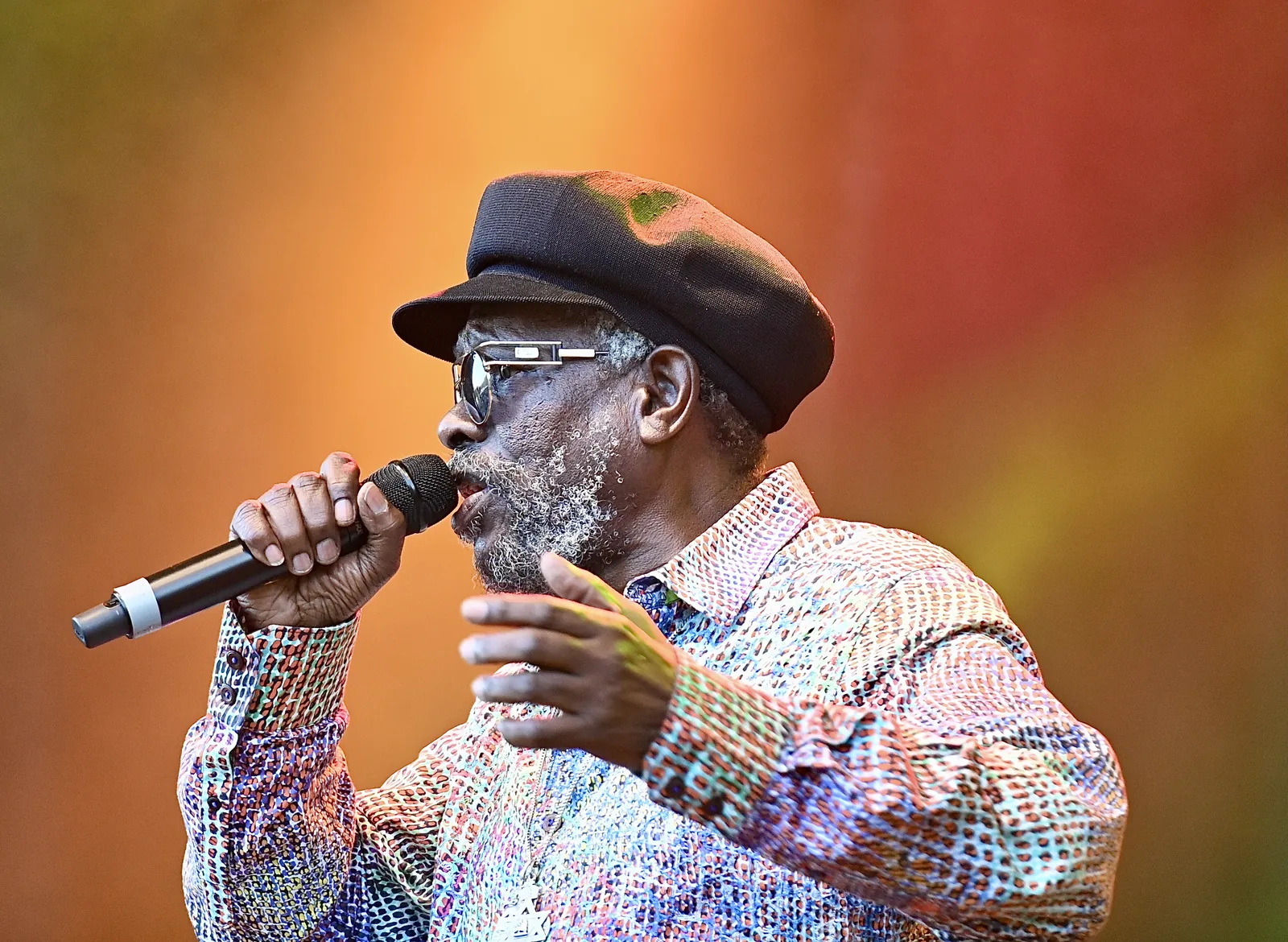
Reggae Musical Practice: Rhythm, Instruments, and Social Function
The reggae band’s core instrumentation — electric guitar, bass guitar, keyboards (organ and piano), drums, and melodica or horns — is similar to other contemporary popular music forms, but deployed in ways that produce reggae’s distinctive sonic character. The central rhythmic element is the “skank”: a muted, percussive chord struck by the rhythm guitar (or keyboard) on the second and fourth eighth-note subdivisions of each beat — the “and” of beats two and four in a four-beat measure — rather than the strong beat position used in most rock and R&B. This rhythmic placement creates the “pull” that gives reggae its characteristic rolling, forward-leaning feel.
The bass guitar in reggae is uniquely prominent: rather than simply anchoring the harmonic root notes, the reggae bass plays a melodically active line that moves between notes in a way that creates a kind of counter-melody to the vocal, giving the bottom end of the music an autonomous expressiveness. The drum pattern typically features a strong emphasis on beat three — the “one drop” rhythm pioneered by Sly Dunbar and Carlton Barrett — which creates a distinctive syncopation against the expected Western rock emphasis on beats two and four. Together, the bass line, the one-drop rhythm, and the guitar skank produce the reggae groove: a sound that is simultaneously propulsive and relaxed, urgent and meditative.
UNESCO’s inscription focused specifically on reggae’s social functions. The Committee’s decision described reggae as “a vehicle for social commentary, a cathartic practice, and a means of praising God” — and noted that these three functions have been stable throughout the tradition’s history despite the genre’s evolution from its original Rude Boy and Rastafari expression into dancehall (from the late 1970s), lovers rock, reggaeton, and dozens of other derivative forms internationally. The lyrical tradition of reggae — addressing poverty, resistance to oppression, the Rastafari vision of redemption, the African diaspora experience, and universal human themes of love and community — represents a continuous thread from Marley’s “Redemption Song” and “Get Up, Stand Up” through contemporary practitioners. UNESCO specifically noted reggae’s “contribution to international discourse on issues of injustice, resistance, love and humanity,” elevating the genre’s cultural significance beyond entertainment to the category of living social and political expression.
Transmission of the reggae tradition occurs through a combination of recording culture and live performance: producers, session musicians, vocalists, and sound-system operators transmit techniques and repertoire informally through the studio community, and formal music education has grown alongside the traditional community-based transmission. For official documentation, ich.unesco.org/en/RL/reggae-music-of-jamaica-01398 is the authoritative source.
Frequently Asked Questions
Is reggae a UNESCO intangible cultural heritage?
Yes. Reggae music of Jamaica is inscribed on UNESCO’s Representative List of the Intangible Cultural Heritage of Humanity under File 01398. It was inscribed on November 29, 2018, at the 13th session of the Intergovernmental Committee (13.COM), held in Port Louis, Mauritius. The inscription recognized reggae as a living Jamaican musical tradition serving as “a voice for all” — a vehicle for social commentary, spiritual practice, and cultural identity.
When was reggae added to the UNESCO list?
Reggae music of Jamaica was added to UNESCO’s Representative List of the Intangible Cultural Heritage of Humanity on November 29, 2018, at the 13th session of the Intergovernmental Committee (13.COM) in Port Louis, Mauritius. It is registered under File 01398. This made reggae the second Jamaican element on the Representative List, following the inscription of the Maroon Heritage of Moore Town in 2008.
Where did reggae originate?
Reggae originated in Jamaica, specifically in the densely populated neighborhoods of Western Kingston, around 1968. UNESCO’s inscription documented reggae’s development within “marginalized groups, mainly in Western Kingston” — communities living in poverty and cultural exclusion from whom the music drew its characteristic social protest themes. Reggae evolved from earlier Jamaican styles: mento (folk music), ska (c. 1960–1966), and rocksteady (c. 1966–1968), with each step slowing the tempo and deepening the bass prominence that defines the reggae sound.
What makes reggae music distinctive?
Reggae is distinguished by three main musical characteristics: the “skank” (a muted guitar chord struck on the offbeat — the “and” of beats two and four), heavy and melodically active bass lines, and the “one drop” drum pattern that emphasizes beat three. Together these create reggae’s characteristic rolling, forward-leaning groove. Lyrically, reggae is distinguished by its social commentary function: addressing poverty, resistance to oppression, Rastafarian spirituality, and the African diaspora experience — themes that UNESCO specifically recognized in its inscription as unchanged since the music’s origins.
What is the connection between reggae and Rastafari?
Rastafari — a spiritual movement that emerged among poor Black Jamaicans in Kingston in the 1930s, centered on the divinity of Emperor Haile Selassie of Ethiopia and the vision of African repatriation and liberation — provided the dominant spiritual and ideological framework for the most internationally influential strand of reggae. Bob Marley, Peter Tosh, and Bunny Wailer (members of the Wailers) were practicing Rastafarians, and their music carried Rastafarian themes of redemption, resistance to “Babylon” (oppressive Western society), and African identity to global audiences. Reggae has served as Rastafari’s primary cultural expression internationally, though not all reggae is Rastafarian in content.