UNESCO Intangible Cultural Heritage: 15 Notable Examples from Every Domain
UNESCO’s Representative List of the Intangible Cultural Heritage of Humanity contains more than 700 inscribed elements as of 2025 — oral traditions, performing arts, social rituals, craft knowledge, and ecological understanding from every inhabited continent. The breadth makes “intangible cultural heritage” a concept that is easier to understand through concrete examples than through abstract definition. UNESCO organizes all inscribed elements into five domains established by the 2003 Convention for the Safeguarding of Intangible Cultural Heritage: oral traditions and expressions; performing arts; social practices, rituals and festive events; knowledge and practices concerning nature and the universe; and traditional craftsmanship. The examples below span all five domains and include elements from Europe, Asia, Africa, and the Americas — from Spain’s flamenco to India’s Kumbh Mela to a 24-country inscription of falconry that holds the record as the most nationally diverse element ever inscribed.
- UNESCO organizes ICH across five domains: oral traditions, performing arts, social practices, knowledge about nature, and traditional craftsmanship — with examples from every inhabited continent.
- Falconry holds the record as the single element with the most co-nominating countries: 24 nations, coordinated by the UAE, as of the 2021 extension.
- Jemaa el-Fna (Morocco, 2001) introduced the concept of a “cultural space” to UNESCO heritage protection — recognizing an ensemble of practices rather than a single art form.
- Flamenco (Spain, 2010, File 00363) and Kutiyattam (India, 2001, File 00010) are among the most recognized performing arts inscriptions — one from medieval Andalusia, one from ancient Kerala temples.
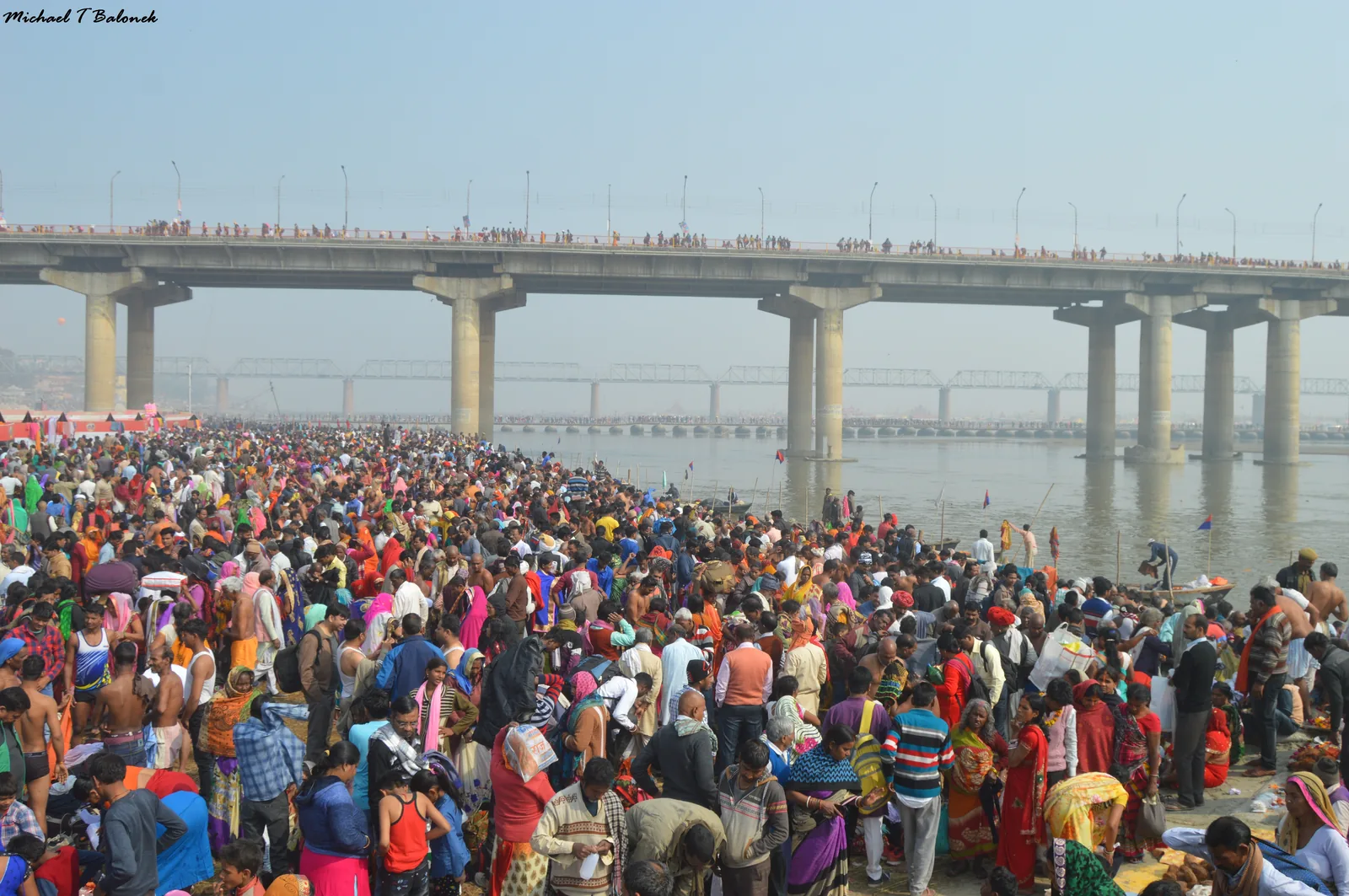
- Kumbh Mela (India, 2017, File 01258) is UNESCO’s largest social practice inscription by scale: the “largest peaceful gathering on Earth,” with 660 million pilgrims attending in 2025.
15 Examples of UNESCO Intangible Cultural Heritage Across All Five Domains
The following examples are organized by the five domains UNESCO uses to classify intangible cultural heritage. Each inscription is active on the Representative List as of 2025.
Domain 1: Oral Traditions and Expressions
This domain covers language itself — proverbs, tales, epics, myths, chants, and oral poetry — as the primary medium through which communities transmit knowledge, identity, and cultural memory across generations. UNESCO notes that language is the vehicle of intangible cultural heritage, making oral traditions particularly vulnerable: when a language is lost, the traditions transmitted only through it are lost as well.
- Cultural space of Jemaa el-Fna Square, Marrakesh, Morocco (File 00014, 2001 Masterpiece → 2008 RL): The Moroccan square that introduced the concept of “cultural space” to UNESCO heritage protection. Rather than a single practice, the inscription covers an ensemble of at least seven traditions — including hikayat (storytellers) who narrate Amazigh and Arabic epics to live audiences. UNESCO described it as “a unique concentration of popular Moroccan cultural traditions performed through musical, religious and artistic expressions.” The inscription was one of the 19 original Masterpieces proclaimed in May 2001.
- Kyrgyz epic trilogy: Manas, Semetey, Seytek (File 00876, 2013): One of the longest oral epic traditions in the world — the Manas cycle and its two sequel epics describe the unification of scattered Kyrgyz tribes into one nation, running to over half a million lines across three generations. Transmitted by professional bards (manaschi) who perform from memory, it remains one of the few epic traditions still reproduced through live oral performance rather than primarily through written text.
Domain 2: Performing Arts
Performing arts encompass music, dance, and theatre — including the instruments, songs, and staging conventions transmitted through practice. UNESCO’s inscriptions in this domain include everything from classical temple theatre to a 50-style dance tradition shaped by nomadic communities.
- Flamenco, Spain (File 00363, 2010): Inscribed at the 5th Committee session in Nairobi. The inscription covers three interconnected elements: cante (song), baile (dance), and toque (guitar). With over 50 recognized palos (styles), flamenco encompasses everything from the meditative soleá to the fast, festive bulerías. UNESCO explicitly recognized the Romani (gitano) community’s “essential role” in the tradition’s development. By 2010, flamenco study programs existed at the Rotterdam Conservatory and the University of New Mexico — internationalizing the tradition before it received formal recognition.
- Kutiyattam, Sanskrit theatre, India (File 00010, 2001 Masterpiece → 2008 RL): Among the oldest inscribed performing arts on any UNESCO list. Kutiyattam has been performed in Kerala’s temple theatres for more than 2,000 years, transmitted through the Chakyar and Nambiar communities. Performers train for 10 to 15 years to master neta abhinaya (eye expression) and hasta abhinaya (hand gesture language). A complete classical performance can unfold over 40 days. Its file number (00010) places it among the very first Masterpieces recognized.
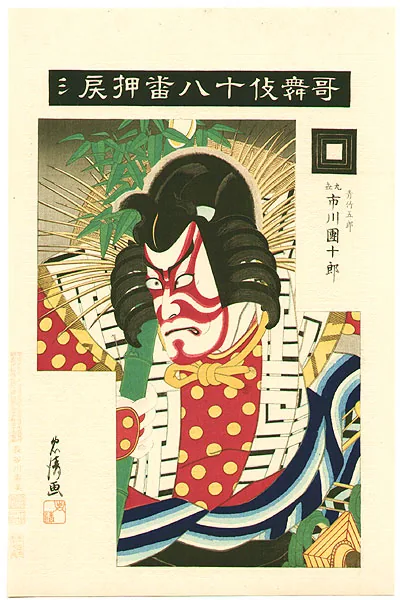
- Kabuki theatre, Japan (File 00163, 2005 Masterpiece → 2008 RL): Japan’s classical urban theatre tradition originating in 17th-century Edo — known for its stylized performance language, elaborate kumadori makeup, and the tradition of male actors performing female roles (onnagata). Proclaimed as one of the 2005 Masterpieces of the Oral and Intangible Heritage of Humanity before the 2003 Convention came into full effect, Kabuki was incorporated into the Representative List in 2008 alongside all other Masterpiece proclamations.
Domain 3: Social Practices, Rituals and Festive Events
This domain covers the activities and ceremonies that structure communal life — from seasonal festivals and harvest celebrations to initiation rites and healing ceremonies. It is one of UNESCO’s most populated domains, reflecting how widely social ritual organizes human communities.
- Kumbh Mela, India (File 01258, 2017): UNESCO described the Kumbh Mela as “the largest peaceful gathering of people on Earth” — a designation that no other inscribed element shares. The pilgrimage rotates among four sacred river sites (Prayagraj, Haridwar, Nashik, and Ujjain) on a 12-year astronomical cycle tied to Jupiter’s position. Approximately 660 million pilgrims attended the 2025 Maha Kumbh Mela at Prayagraj. UNESCO’s inscription recognized its synthesis of astronomical calculation, ritual bathing, and the gathering of ascetic orders (akharas).
- Nawrouz / Nowruz (File 02097, transnational, 12 countries, 2016 extension): The Persian New Year, marking the spring equinox, is one of UNESCO’s most geographically broad transnational inscriptions. The element is shared by Afghanistan, Azerbaijan, India, Iran, Iraq, Kazakhstan, Kyrgyzstan, Pakistan, Tajikistan, Turkey, Turkmenistan, and Uzbekistan. Celebrated on March 21, Nowruz has been observed across the Silk Road region for more than 3,000 years — predating all of the national boundaries of the states that now co-protect it.
- Kimjang: Making and Sharing Kimchi, Republic of Korea (File 00881, 2013): The collective practice of preparing large quantities of kimchi for the winter months — observed by millions of Korean families each November. UNESCO’s inscription noted that kimjang reinforces Korean identity and creates solidarity through community gatherings to prepare fermented vegetables using traditional regional recipes. North Korea (Democratic People’s Republic of Korea) subsequently submitted a parallel inscription for the same tradition, making Kimjang one of the rare cases of the same cultural practice inscribed by two states.
Domain 4: Knowledge and Practices Concerning Nature and the Universe
This domain covers the ecological and cosmological knowledge that communities have developed through generations of interaction with their environments — traditional agriculture, herbal medicine, astronomical knowledge, and environmental practices transmitted as living know-how rather than recorded science.
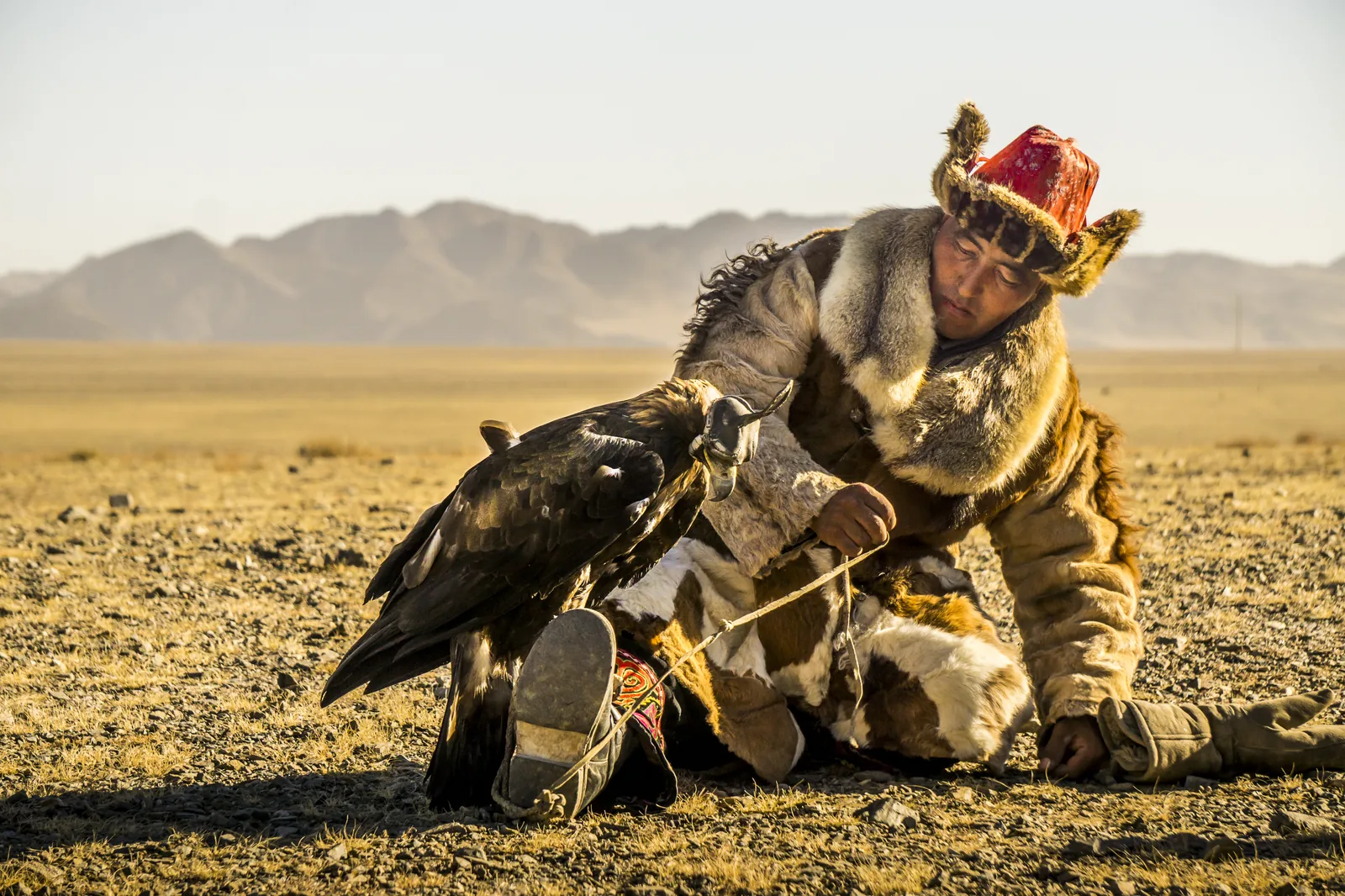
- Falconry: A Living Human Heritage (24 countries, first inscribed 2010, extended 2016 and 2021, coordinated by UAE): The single UNESCO ICH inscription with the most co-nominating countries. As of the 2021 extension, falconry is jointly inscribed by 24 nations — with co-nominators including France, Spain, Germany, Mongolia, Kyrgyzstan, Morocco, and 17 others. UNESCO’s documentation recognizes falconry not as a hunting method but as a cultural practice — the relationship between falconer, bird, and landscape — transmitted through apprenticeship and family tradition. The UAE has been the leading advocate for the inscription, viewing falconry as a defining element of Gulf Arab cultural identity.
- Mediterranean diet (File 00884, first inscribed 2010, extended 2013; Spain, Italy, Greece, Morocco, Portugal, Croatia, Cyprus): A transnational inscription covering not recipes but the entire social practice around Mediterranean food preparation and consumption — seasonal rhythms, communal meals, biodiversity knowledge, and the relationship between diet and landscape. UNESCO recognized it as a set of skills, knowledge, and traditions about crops, harvesting, fishing, conservation, processing, cooking, and consumption that express the cultural identity of coastal Mediterranean communities.
Domain 5: Traditional Craftsmanship
Traditional craftsmanship covers the knowledge, skills, and creative processes behind hand-produced objects — textiles, ceramics, metalwork, and other material forms. UNESCO’s emphasis is on the making process and its transmission, not the objects themselves.
- Washi: Traditional Japanese Hand-Made Paper (File 01259, 2014): The centuries-old Japanese craft of hand-making paper from the fibers of kozo (mulberry), mitsumata, and gampi plants. Inscribed specifically for the producing communities of Ogawa-machi and Higashi-chichibu in Saitama Prefecture and Misumi-cho in Shimane Prefecture. UNESCO recognized not the paper itself but the complete body of knowledge around fiber preparation, forming, drying, and cultural transmission within specific papermaking villages.
- Traditional brass and copper craft of utensil making among the Thatheras of Jandiala Guru, Punjab, India (File 00845, 2014): The Thathera community produces brass and copper vessels using traditional hand-hammering techniques, with specific alloy compositions and hammering sequences that create vessels with distinct acoustic, thermal, and ritual properties. UNESCO’s inscription explicitly noted the tradition was declining as machine-made utensils replaced hand-crafted ones — making it one of the clearest cases where inscription was linked to safeguarding an actively endangered craft.
Five Landmark Examples That Shaped the UNESCO ICH System
Within UNESCO’s extensive inventory, certain inscriptions were not merely recognized as heritage but actively shaped how the system itself works. Five elements stand out for their conceptual, diplomatic, or institutional influence on the global ICH framework.
Jemaa el-Fna: The First “Cultural Space”
Before 2001, the international heritage framework protected monuments, landscapes, and fixed physical sites. Jemaa el-Fna’s designation as a “cultural space” introduced the concept that heritage could be located in a practice ecosystem rather than a specific art form. UNESCO recognized the entire Marrakesh square and its ensemble of performers — storytellers, Gnaoua musicians, snake charmers, henna tattooists, herbalists — as a unified heritage unit. This conceptual innovation directly influenced the drafting of the 2003 Convention, which built its five-domain framework on similar principles: heritage is defined by living practice, not material artifact.
Falconry: The Most Internationally Diverse Inscription
Falconry’s record of 24 co-nominating nations demonstrates how the transnational nomination mechanism can create diplomatic coalitions around shared cultural practices. The UAE drove the original 2010 nomination with 11 countries; successive extensions in 2016 (18 countries) and 2021 (24 countries) added European and Asian nations with independent falconry traditions. The inscription has served as a model for how countries with complex political relationships can cooperate on shared cultural patrimony — the 24 signatories include nations with divergent bilateral histories who united around a practice that predates their modern national configurations.
Flamenco: The Community Transmission Model
UNESCO’s 2010 flamenco inscription was notable for explicitly protecting the social structures of transmission — not just the art form itself. The inscription covers families, dynasties, and peñas flamenco (local clubs) as heritage mechanisms, establishing that intangible heritage protection must include the communities and informal institutions through which traditions are reproduced. This approach — protecting transmission as an object of heritage rather than merely the product — has been replicated in many subsequent inscriptions across multiple domains.
Nowruz: The Largest Silk Road Transnational
Nowruz’s 12-country inscription is the most geographically extensive element linking Central Asia, South Asia, and the Middle East. The transnational nomination required diplomatic coordination among states with varying relationships — including India, Iran, and Pakistan on the same nomination file. It established the model for how Silk Road cultural practices that predate national boundaries can receive international recognition without any single country claiming exclusive ownership. The Nowruz model has since influenced how other trans-regional practices — from Mediterranean diet to falconry — structure their multinational nominations.
Mexican Cuisine: The First Food System Inscription
When UNESCO inscribed traditional Mexican cuisine (File 00400) in 2010, it was the first time a food system — encompassing agricultural practices, preparation techniques, ritual use, and festive contexts — received ICH recognition. The inscription explicitly covered the milpa (rotating field cultivation) system, the use of the metate for grinding, and the integration of food into social ceremony, rather than any specific dish. This established the principle that food heritage protection covers practices and knowledge, not recipes — a framework later applied to the Mediterranean diet, Washoku (Japanese cuisine, 2013), Kimjang (Korean kimchi-making), and eventually more than 20 food-related inscriptions by 2025.
For the full official database of inscribed elements searchable by country, domain, and year, ich.unesco.org/en/lists is the authoritative source. For context on how individual countries compare in their UNESCO ICH counts — China leads with 45, France with 30, Turkey with 32 — the UNESCO intangible cultural heritage overview provides the comprehensive framework from the 2003 Convention to the 2025 inscriptions.
Frequently Asked Questions
What are the five domains of UNESCO intangible cultural heritage?
UNESCO’s 2003 Convention organizes intangible cultural heritage into five domains: (1) oral traditions and expressions, including language; (2) performing arts; (3) social practices, rituals and festive events; (4) knowledge and practices concerning nature and the universe; and (5) traditional craftsmanship. All inscribed elements are classified into one or more of these domains.
Which UNESCO intangible cultural heritage inscription has the most countries?
Falconry holds the record, with 24 co-nominating countries as of the 2021 extension, coordinated by the UAE. The original 2010 inscription had 11 countries; successive extensions in 2016 and 2021 added European and Asian states, making Falconry the most internationally diverse element on the Representative List.
What was the first element inscribed on UNESCO’s intangible cultural heritage list?
The inaugural inscriptions were the 19 original Masterpieces of Oral and Intangible Heritage proclaimed in May 2001 — including Jemaa el-Fna (Morocco), Kutiyattam (India), and Kunqu opera (China). These were formally incorporated into the Representative List in 2008 when the 2003 Convention came fully into operation. Elements with the lowest file numbers (00001–00090) were generally the 2001 or 2003 Masterpieces.
Is food considered intangible cultural heritage by UNESCO?
Yes. Traditional Mexican cuisine (File 00400, 2010) was the first food system inscription, followed by Mediterranean diet, Washoku (Japanese cuisine), Kimjang (Korean kimchi-making), lavash (Armenian flatbread), and by 2025 more than 20 food-related elements across multiple countries. UNESCO protects the knowledge, practices, and social contexts around food preparation — not specific recipes.
What makes Kumbh Mela notable as UNESCO intangible cultural heritage?
Kumbh Mela (File 01258, inscribed 2017) is the only element UNESCO has described as “the largest peaceful gathering of people on Earth.” Approximately 660 million pilgrims attended the 2025 Maha Kumbh Mela in Prayagraj. The inscription covers the gathering’s synthesis of astronomical timing, ritual bathing, and the assembly of ascetic orders across four sacred river sites in India.