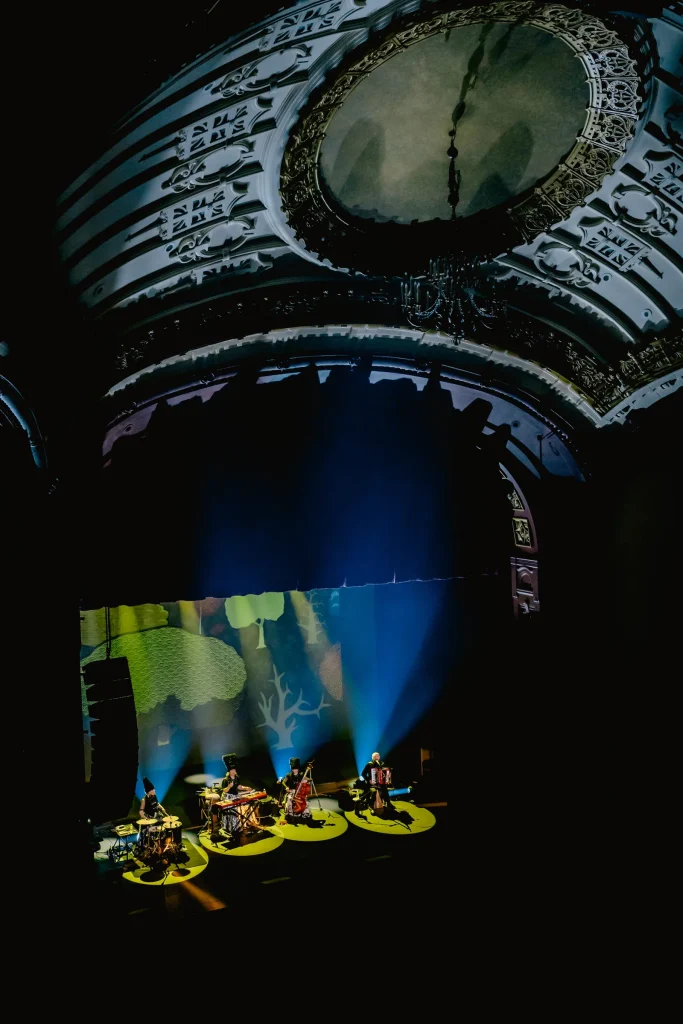
Cossack’s Songs of Dnipropetrovsk Region: Ukraine’s UNESCO Music Heritage (File 01194)
The Cossack’s songs of Dnipropetrovsk Region — a polyphonic vocal tradition rooted in the historical Zaporozhian Cossack culture of southeastern Ukraine, performed by three community ensembles in the Dnipro region and addressing the tragedy of war and the personal bonds of Cossack soldiers — was inscribed on UNESCO’s List of Intangible Cultural Heritage in Need of Urgent Safeguarding on November 28, 2016, at the 11th session of the Intergovernmental Committee (11.COM), held in Addis Ababa, Ethiopia. Registered as File 01194, the inscription recognized the Cossack songs as Ukraine’s only music-specific UNESCO intangible cultural heritage element — a living vocal tradition in urgent need of protection due to the advanced age of its principal bearers and the fragility of intergenerational transmission.
- The Cossack’s songs of Dnipropetrovsk Region are inscribed on UNESCO’s List of Intangible Cultural Heritage in Need of Urgent Safeguarding as File 01194, inscribed at the 11th session of the Intergovernmental Committee (11.COM) on November 28, 2016 — Ukraine’s only music-specific UNESCO ICH inscription.
- The tradition is maintained by three community ensembles: Krynycya, Boguslavochka, and Pershocvit — predominantly elderly practitioners (aged 70s–80s), many of whom have been singing the repertoire for most of their lives.
- The singing style is polyphonic: a lead singer initiates the lyrics, a second singer enters on the upper voice, followed by the remaining group singing middle and lower voices — a layered structure rooted in the Cossack male choir tradition.
- The songs draw on the history of the Zaporozhian Cossacks — the Lower Dnipro region hosted five Zaporizhian Sichs (1581–1775), and the repertoire commemorates the wars, losses, and community bonds of Cossack soldiers in that era.
- A 2016–2020 safeguarding plan documented 560+ authentic songs across 19 folklore expeditions; a total safeguarding budget of approximately $325,000 USD supported documentation, recording, and transmission programs including a new annual regional festival established in 2017.
Cossack’s Songs: Zaporozhian Origins, Regional History, and UNESCO Inscription
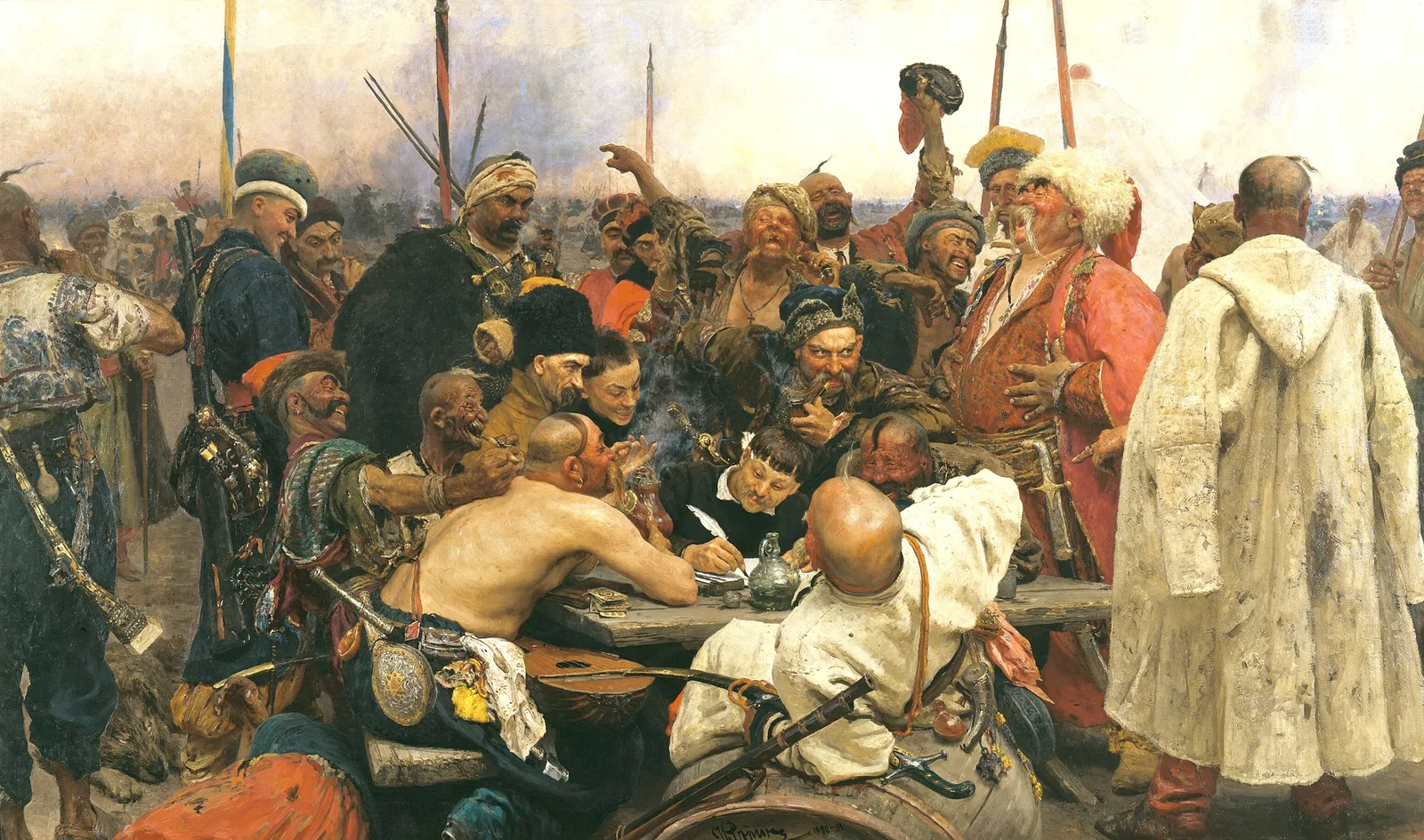
The Cossack songs of the Dnipropetrovsk region draw their identity from one of the most distinctive historical communities of Eastern Europe: the Zaporozhian Cossacks, who formed as a social and military phenomenon on the territory of present-day central and southern Ukraine at the turn of the 15th and 16th centuries. The Lower Dnipro region — the territory below the Dnipro rapids — was the heartland of Cossack organization: five consecutive Zaporizhian Sichs (fortified headquarters of the Cossack Host) were located here between 1581 and 1775, when the last Sich was dissolved by imperial Russian decree. The male community of the Sich developed a tradition of polyphonic singing associated with the rhythms of military life, religious observance, and communal gathering — a singing culture that outlasted the formal Cossack institutions and survived in the villages and towns of the Dnipropetrovsk region into the 21st century.
The songs address two principal themes consistent throughout the repertoire: the tragedy of war — campaigns, losses, captivity, and death — and the personal relationships of Cossack soldiers — bonds of brotherhood, separation from family, and the emotional texture of communal life. This dual focus makes the Cossack song tradition a form of living historical memory: it preserves an emotional and social record of a vanished community through the voices of its descendants, sung in the landscapes where the original Cossack culture was formed. UNESCO’s inscription on the Urgent Safeguarding List (not the Representative List) signals that the element is at particular risk of disappearing without immediate intervention — in this case, because the principal bearers of the tradition are elderly, and the pool of singers with full repertoire knowledge has been declining through natural attrition since the late 20th century.
The element was first added to Ukraine’s National Register of Intangible Cultural Heritage in 2015, establishing the national-level recognition that preceded the UNESCO nomination. UNESCO inscribed it at the 11th session of the Intergovernmental Committee (11.COM) in Addis Ababa, Ethiopia, on November 28, 2016. The inscription was jointly supported by the Dnipropetrovsk Regional Council and the Ukrainian Ministry of Culture, both of which became implementing partners in the safeguarding plan. For the full inventory of what Ukraine has on the UNESCO ICH lists — including Petrykivka decorative painting (2013), Kosiv ceramics (2019), borscht culture (2022), pysanka egg decoration (2024), and the kobza/wheel lyre safeguarding program (2024) — the UNESCO intangible cultural heritage examples article provides comparative context.
Performance Structure, Ensembles, and UNESCO Safeguarding Measures
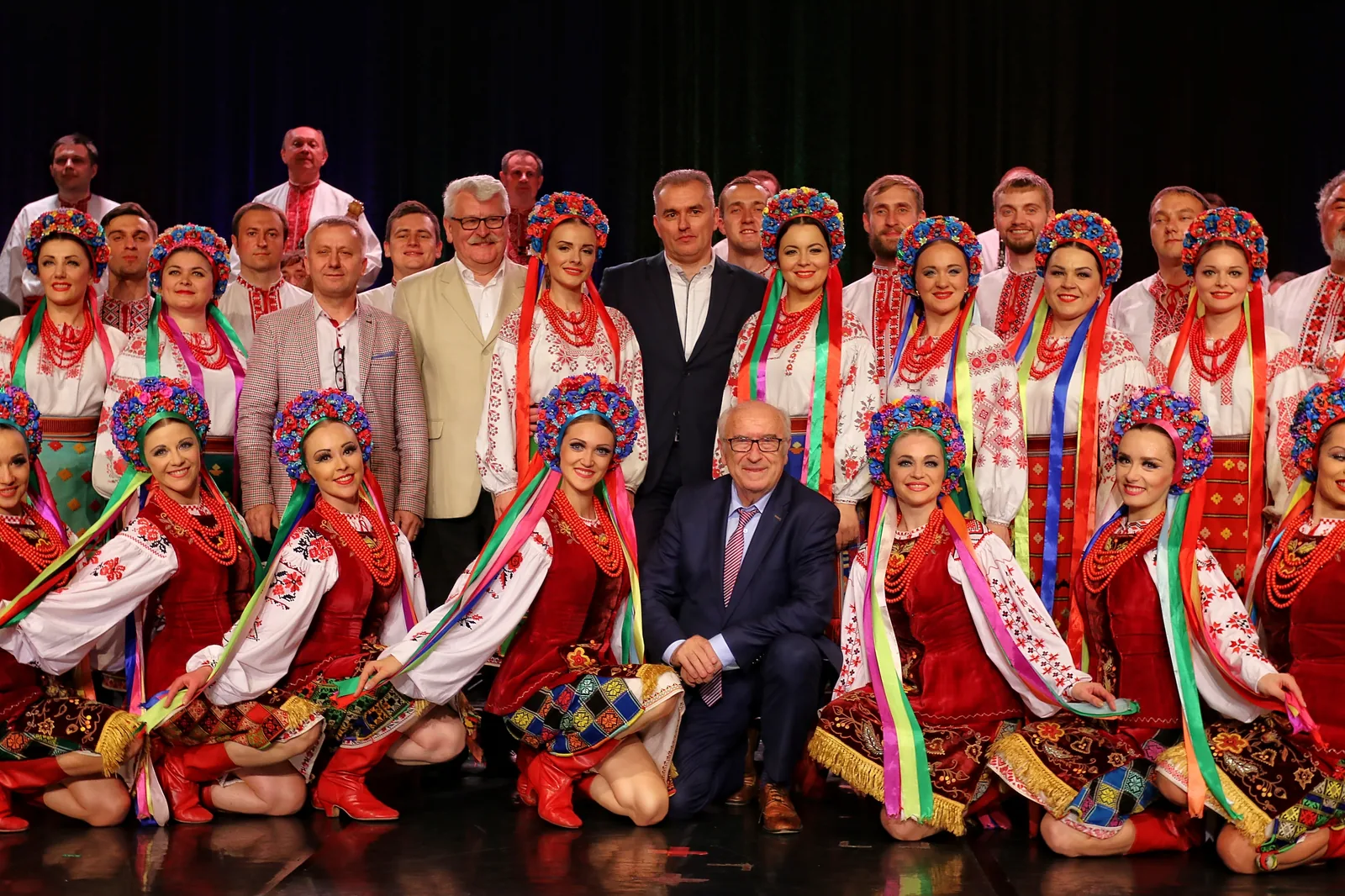
The Cossack song tradition of the Dnipropetrovsk region is performed primarily by three community ensembles identified in UNESCO’s inscription file. Krynycya, Boguslavochka, and Pershocvit are the bearers of the living repertoire — groups composed predominantly of singers in their 70s and 80s who have been active in the practice for most of their lives. The singing structure follows a consistent organizational logic: a lead singer — the member with the broadest knowledge of song lyrics — initiates the text, at which point a second performer enters on the upper voice, and the remaining ensemble fills in middle and lower voices to complete the polyphonic texture. One notable adaptive practice documented by UNESCO is the capacity of women singers to deepen their voices to substitute for absent male performers, demonstrating a pragmatic flexibility in maintaining the tradition even as the pool of practitioners contracts.
The 2016–2020 safeguarding plan — implemented by the Dnipropetrovsk Regional Council with a total budget of approximately $325,024 USD — encompassed a comprehensive documentation and transmission effort. Nineteen folklore expeditions were conducted, producing recordings of more than 560 authentic songs across the region; the material was compiled into published collections (including volumes with audio CDs), self-teaching guides, and a dedicated website and social media presence. Equipment was provided to support the three community centers where the ensembles practice. The plan also established a new annual regional festival — the “Cossack Songs of Dnipropetrovsk Region” festival, inaugurated in 2017 — creating a structured public occasion for performance and transmission. More than 30 master classes and 50 lectures were delivered during the plan period.
The 2021–2024 safeguarding plan, focused on transmission to younger generations, identified the establishment of new performance groups as a central goal. Several new ensembles have been founded: the ethno-band Spivanochka, bands Dyven, ensembles Kalynonka, Kalita, Lyubava, and a children’s group Pereveslo — representing an expansion of the tradition’s active community beyond the three original ensembles. Non-formal learning mechanisms — open lectures, workshops, and seminars with active bearers — form the core of the transmission approach. For the official nomination file and Committee decision, ich.unesco.org/en/USL/cossack-s-songs-of-dnipropetrovsk-region-01194 is the authoritative source.
Frequently Asked Questions
Is Ukrainian music on the UNESCO intangible cultural heritage list?
Yes. Ukraine’s music-specific entry on the UNESCO lists is the Cossack’s songs of Dnipropetrovsk Region (File 01194), inscribed on the List of Intangible Cultural Heritage in Need of Urgent Safeguarding on November 28, 2016, at 11.COM in Addis Ababa, Ethiopia. Ukraine also has a 2024 entry on the Register of Best Safeguarding Practices for the preservation of the kobza and wheel lyre tradition, which is music-adjacent. Ukraine’s total UNESCO ICH portfolio includes 7 inscriptions across crafts, cooking, decorative arts, and music.
What are the Cossack’s songs of Dnipropetrovsk Region?
The Cossack’s songs of Dnipropetrovsk Region are a polyphonic vocal tradition preserved by community ensembles in southeastern Ukraine’s Dnipro region, rooted in the singing culture of the Zaporozhian Cossacks (active 16th–18th century). The songs address the tragedy of war and the personal bonds of Cossack soldiers. Three ensembles — Krynycya, Boguslavochka, and Pershocvit — are the primary bearers, composed predominantly of elderly practitioners who have sung in the tradition for most of their lives.
When were the Cossack songs inscribed on the UNESCO list?
The Cossack’s songs of Dnipropetrovsk Region were inscribed on UNESCO’s List of Intangible Cultural Heritage in Need of Urgent Safeguarding on November 28, 2016, at the 11th session of the Intergovernmental Committee (11.COM) held in Addis Ababa, Ethiopia. The element is registered under File 01194. It had been added to Ukraine’s National Register of Intangible Cultural Heritage in 2015 prior to the UNESCO nomination.
Why are the Cossack songs on the Urgent Safeguarding List rather than the Representative List?
UNESCO’s List of Intangible Cultural Heritage in Need of Urgent Safeguarding is specifically for elements at risk of disappearing without immediate intervention. The Cossack songs were inscribed on this list — rather than the better-known Representative List — because the principal bearers are predominantly elderly (aged 70s–80s), the pool of fully trained singers has been declining through attrition, and the tradition lacks sufficient younger practitioners to guarantee intergenerational transmission without active safeguarding programs.
What is the polyphonic structure of Cossack songs?
The Cossack songs of Dnipropetrovsk are performed in a layered polyphonic structure: the lead singer — the bearer with full knowledge of the song texts — initiates the lyrics, at which point a second singer enters on the upper voice, and the remaining ensemble provides middle and lower vocal parts. Women can deepen their voices to cover male voice parts when needed. This polyphonic layering is consistent across the three active ensembles and represents the defining musical characteristic of the tradition as documented by UNESCO.