

 Representative ListInscribed 2022
Description
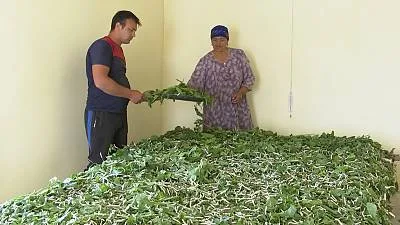
In sericulture and the traditional production of silk for weaving, farmers care for the silkworms through their entire lifecycle, growing the mulberry trees that provide leaves upon which the worms feed and produce silkworm eggs. The fibres are reeled from the cocoons, spun into silk threads, cleaned and dyed. The threads are then used to create various types of craft products, including fabrics, carpets, rugs and curtains. Silk products are highly valued by all social and cultural classes, and people use them for special occasions such as weddings, funerals and family gatherings. Deeply rooted in the traditions of the Great Silk Road, the practice is an expression of cultural identity and centuries-old traditions. It is also viewed as a symbol of social cohesion, as the silk trade contributed to the exchange of culture and science within and across the countries concerned.
Countries & Communities
AfghanistanAzerbaijanIranTurkeyTajikistanTurkmenistanUzbekistanOther heritage elements in Afghanistan
Representative List · Inscribed 2025Behzad's style of miniature artRepresentative List · Inscribed 2024Nawrouz, Novruz, Nowrouz, Nowrouz, Nawrouz, Nauryz, Nooruz, Nowruz, Navruz, Nevruz, Nowruz, NavruzRepresentative List · Inscribed 2024Art of crafting and playing rubab/rababRepresentative List · Inscribed 2022Yaldā/Chella
More Representative List elements
Inscribed 2016Khidr Elias feast and its vowsInscribed 2008Al-Sirah Al-Hilaliyyah epicInscribed 2017Al-Qatt Al-Asiri, female traditional interior wall decoration in Asir, Saudi ArabiaInscribed 2018Horse and camel ArdhahInscribed 2015Majlis, a cultural and social spaceInscribed 2025Hadrami Dan gathering
Also inscribed in 2022
- Yaldā/Chella
- Festivals related to the Journey of the Holy family in Egypt
- Al-Mansaf in Jordan, a festive banquet and its social and cultural meanings
- Harissa, knowledge, skills and culinary and social practices
- Date palm, knowledge, skills, traditions and practices
- Al-Khanjar, craft skills and social practices
Data Source: UNESCO Intangible Cultural Heritage · UNESCO listing