
 Representative ListInscribed 2024
Description
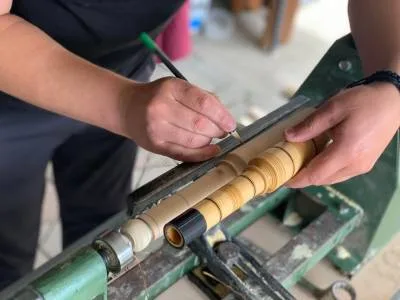
The traditional bagpipe (Gayda/Tulum) is a traditional woodwind instrument that is made and performed across the area that includes the Republic of North Macedonia, and the Eastern Black Sea and Thrace regions of Türkiye. In North Macedonia, it consists of four parts: a melody pipe, a drone pipe, a blowing pipe and an air reservoir. In Türkiye, it consists of a melody pipe, a blowing pipe and a body. In both countries, boxwood is used to make the melody pipe. The body is made from goat or sheep skin which is soaked in a mixture of water, corn flour, yoghurt and salt for several days. It is then inflated and hung to dry. Once dry, the parts and pipes are attached. The bagpipe is associated with folk music and is played in events such as weddings and festivals. The related knowledge and skills are transmitted informally, within families and music groups and through apprenticeships. The practice is also transmitted through cultural associations, seminars and workshops, and in music conservatories and educational institutions. The bagpipe has been uniting communities in social activities for centuries. A symbol of cultural identity, it is a key part of many other traditions and customs, including harvesting and transhumance practices. It thus reinforces a sense of belonging while strengthening social ties, solidarity and cooperation.
Countries & Communities
MKTurkeyMore Representative List elements
Inscribed 2025Al-Jertiq: practices, rituals and expressions for preservation, protection, abundance and fertility in SudanInscribed 2025DeepavaliInscribed 2021Arabic calligraphy: knowledge, skills and practicesInscribed 2009Âşıklık (minstrelsy) traditionInscribed 2010Traditional skills of carpet weaving in KashanInscribed 2010Traditional skills of carpet weaving in Fars
Also inscribed in 2024
- Henna: rituals, aesthetic and social practices
- Art of crafting and playing rubab/rabab
- Tandir craftsmanship and bread baking in Azerbaijan
- Kebaya: knowledge, skills, traditions and practices
- Breakfast culture in Malaysia: dining experience in a multi-ethnic society
- Myanmar traditional New Year Atā Thingyan festival
Data Source: UNESCO Intangible Cultural Heritage · UNESCO listing