 Representative ListInscribed 2024
Description
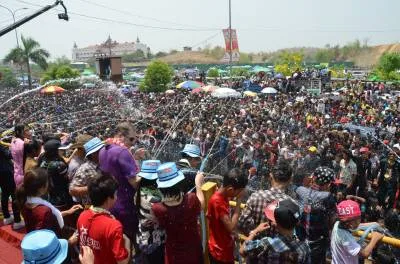
Atā Thingyan is a five-day festival that is observed in Myanmar to celebrate the traditional new year. The Myanmar Calendar Advisory Board determines the date on which Thingyan falls each year (typically in mid-April). Each community celebrates the festival in accordance with its traditions and customs, but common activities include pouring water on Buddha images, giving older community members manicures and pedicures, donating food, giving to charity and joining meditation retreats. There are also community-based song and dance performances. Flowers and leaves symbolizing the seven days of the week are arranged in an earthenware vase, which is placed at the front of the house to welcome the new year. People also enjoy pouring water on each other, an act that is believed to bring good fortune through its symbolic cleansing effects. Thingyan is transmitted by participating in the festivities and through media, schools, and regional and state contests. In addition to promoting unity and harmony, the festival represents a symbolic cleansing of the old year’s ‘dirt’, enabling a physical and mental ‘fresh start’. As the entire festival period is a national holiday, many people return to their native towns and villages to reunite with their families and pay homage to their elders.
Country
MyanmarMore Representative List elements
Inscribed 2008Shashmaqom musicInscribed 2020Traditional intelligence and strategy game: Togyzqumalaq, Toguz Korgool, Mangala/GöçürmeInscribed 2025Traditional knowledge and cultural contexts of making Maksym, a traditional Kyrgyz beverageInscribed 2021TbouridaInscribed 2023Dabkeh, traditional dance in PalestineInscribed 2025Behzad's style of miniature art
Also inscribed in 2024
- Henna: rituals, aesthetic and social practices
- Art of crafting and playing rubab/rabab
- Tandir craftsmanship and bread baking in Azerbaijan
- Kebaya: knowledge, skills, traditions and practices
- Breakfast culture in Malaysia: dining experience in a multi-ethnic society
- Traditional bagpipe (Gayda/Tulum) making and performing
Data Source: UNESCO Intangible Cultural Heritage · UNESCO listing