

 Representative ListInscribed 2024
Description
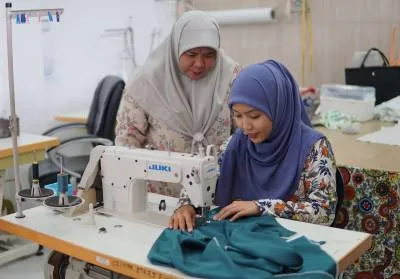
Kebaya is a front-opening top often adorned with intricate embroidery and worn with fasteners such as brooches or buttons. It comes in various lengths and can be worn with a matching sarong. Kebaya is a way of dressing that has evolved with the lifestyles of Southeast Asian women. It is worn at casual as well as formal events, social gatherings and festivals. It is also worn in the performing arts, such as in dance performances, theatre and film. Contemporary designs are featured in beauty pageants and award ceremonies to reflect the wearer’s cultural identity. Making kebaya involves specific skills and knowledge related to the preparation, design, selection and cutting of fabrics and accessories, as well as different sewing and embroidery styles. Traditionally, these skills and knowledge have been transmitted informally from mothers to daughters. Over time, men have also become involved and formal training has become available through schools and workshops. Kebaya is a significant part of the cultural heritage and identity of various communities in Southeast Asia. Despite variations in how kebaya is made and worn, it is a common cultural element that transcends ethnicity, religion and borders, facilitating dialogue and uniting communities.
Countries & Communities
BNIDMalaysiaSGTHMore Representative List elements
Inscribed 2021FjiriInscribed 2014Al-Zajal, recited or sung poetryInscribed 2016Tahteeb, stick gameInscribed 2023Elechek, Kyrgyz female headwear: traditional knowledge and ritualsInscribed 2015Majlis, a cultural and social spaceInscribed 2013Traditional art of Jamdani weaving
Also inscribed in 2024
- Henna: rituals, aesthetic and social practices
- Art of crafting and playing rubab/rabab
- Tandir craftsmanship and bread baking in Azerbaijan
- Breakfast culture in Malaysia: dining experience in a multi-ethnic society
- Myanmar traditional New Year Atā Thingyan festival
- Traditional bagpipe (Gayda/Tulum) making and performing
Data Source: UNESCO Intangible Cultural Heritage · UNESCO listing