 Representative ListInscribed 2025
Description
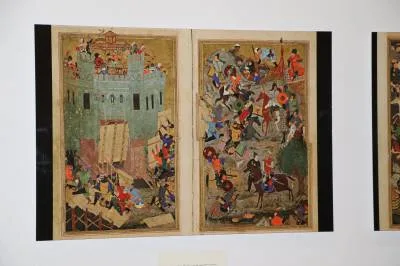
Miniature art is a detailed and symbolic form of painting scenes from history and literature. Its primary function is to acquaint the communities concerned with elements of culture, history and literature, embodying the knowledge and insight of their collective past. Certain artists have contributed to its recognition and popularity, with their works now adorning world-renowned museums. For instance, numerous artists and schools are inspired by the design and style of Kamal ud-Din Behzad’s work and use it as their primary model.
As a means of telling stories and conveying meaning, the art form is not only seen in paintings but also reflected in architecture, such as minarets and historic buildings. It is a vibrant cultural expression that continues to be practised, recognized, and transmitted by several individuals, communities and institutions. The art provides a sense of identity and continuity, helping to preserve the cultural fabric of the Afghan people while contributing to social cohesion and mutual respect. It is transmitted both formally and informally, with many students choosing to study miniature painting every year, which helps to keep the tradition alive. Miniature art connects people with their past, heritage and values. A means of passing on knowledge and values from one generation to the next, it is a living tradition that preserves culture and inspires learning. As such, it helps the communities reflect on their shared history and contributes to fostering a sense of community identity and pride.
As a means of telling stories and conveying meaning, the art form is not only seen in paintings but also reflected in architecture, such as minarets and historic buildings. It is a vibrant cultural expression that continues to be practised, recognized, and transmitted by several individuals, communities and institutions. The art provides a sense of identity and continuity, helping to preserve the cultural fabric of the Afghan people while contributing to social cohesion and mutual respect. It is transmitted both formally and informally, with many students choosing to study miniature painting every year, which helps to keep the tradition alive. Miniature art connects people with their past, heritage and values. A means of passing on knowledge and values from one generation to the next, it is a living tradition that preserves culture and inspires learning. As such, it helps the communities reflect on their shared history and contributes to fostering a sense of community identity and pride.
Country
AfghanistanOther heritage elements in Afghanistan
Representative List · Inscribed 2024Nawrouz, Novruz, Nowrouz, Nowrouz, Nawrouz, Nauryz, Nooruz, Nowruz, Navruz, Nevruz, Nowruz, NavruzRepresentative List · Inscribed 2024Art of crafting and playing rubab/rababRepresentative List · Inscribed 2022Sericulture and traditional production of silk for weavingRepresentative List · Inscribed 2022Yaldā/Chella
More Representative List elements
Inscribed 2020Traditional intelligence and strategy game: Togyzqumalaq, Toguz Korgool, Mangala/GöçürmeInscribed 2013Sankirtana, ritual singing, drumming and dancing of ManipurInscribed 2025The zaffa in the traditional weddingInscribed 2017Kumbh MelaInscribed 2023Craftsmanship of mother of pearl inlayInscribed 2024Performing arts among the Twāyef of Ghbonten
Also inscribed in 2025
- Traditional Saree weaving art of Tangail
- Boreendo, Bhorindo: ancient dying folk musical instrument, its melodies, knowledge, and skills
- The zaffa in the traditional wedding
- Al-Muhaibis: social practices and traditions associated with it
- Bisht (men's Abaa): skills and practices
- Kithul Madeema/Kithul Kapeema, an ancient indigenous technology for tapping Kithul in Sri Lanka
Data Source: UNESCO Intangible Cultural Heritage · UNESCO listing