 Urgent Safeguarding ListInscribed 2025
Description
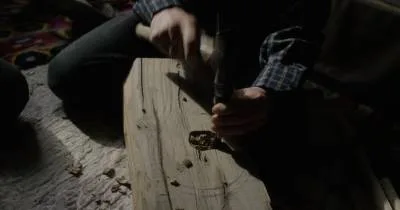
The kobyz, made and played in the Republic of Karakalpakstan, an autonomous region of Uzbekistan, is a traditional string instrument with an arc shape and two strings made from horsehair. The body is covered with leather and includes detailed decorations made from local wood such as mulberry or apricot tree. A special bow, also made from horsehair, is used to play the instrument. The kobyz is designed to be portable, making it easy to carry during long travels, reflecting its ties to a nomadic lifestyle. It is played by storytellers known as ‘zhyrau’, primarily men, who perform epic tales using a particular style of throat singing.
The kobyz is used in rituals, weddings, festivals and community gatherings. It is transmitted informally and formally. At home, children often learn from their parents. In the master-apprentice tradition, students learn directly from skilled instrument makers and performers, often in small groups or through one-on-one lessons. These methods are sometimes supported by cultural events, workshops and recordings. The kobyz contributes to cohesion, unity and shared heritage among the communities concerned.
The kobyz is used in rituals, weddings, festivals and community gatherings. It is transmitted informally and formally. At home, children often learn from their parents. In the master-apprentice tradition, students learn directly from skilled instrument makers and performers, often in small groups or through one-on-one lessons. These methods are sometimes supported by cultural events, workshops and recordings. The kobyz contributes to cohesion, unity and shared heritage among the communities concerned.
Country
UzbekistanOther heritage elements in Uzbekistan
Representative List · Inscribed 2025Traditional knowledge and skills in making Kyrgyz, Kazakh and Karakalpak yurts (Turkic nomadic dwellings)Representative List · Inscribed 2024Nawrouz, Novruz, Nowrouz, Nowrouz, Nawrouz, Nauryz, Nooruz, Nowruz, Navruz, Nevruz, Nowruz, NavruzRepresentative List · Inscribed 2024Art of crafting and playing rubab/rababRepresentative List · Inscribed 2023Iftar/Eftari/Iftar/Iftor and its socio-cultural traditionsRepresentative List · Inscribed 2023Art of illumination: Təzhib/Tazhib/Zarhalkori/Tezhip/NaqqoshlikRepresentative List · Inscribed 2023Ceramic arts in Uzbekistan
More Urgent Safeguarding List elements
Inscribed 2018Traditional hand puppetryInscribed 2013Chovqan, a traditional Karabakh horse-riding game in the Republic of AzerbaijanInscribed 2022Traditional Ahlat stoneworkInscribed 2011Naqqāli, Iranian dramatic story-tellingInscribed 2018Shadow playInscribed 2025Boreendo, Bhorindo: ancient dying folk musical instrument, its melodies, knowledge, and skills
Also inscribed in 2025
- Traditional Saree weaving art of Tangail
- Boreendo, Bhorindo: ancient dying folk musical instrument, its melodies, knowledge, and skills
- The zaffa in the traditional wedding
- Al-Muhaibis: social practices and traditions associated with it
- Bisht (men's Abaa): skills and practices
- Kithul Madeema/Kithul Kapeema, an ancient indigenous technology for tapping Kithul in Sri Lanka
Data Source: UNESCO Intangible Cultural Heritage · UNESCO listing