 Urgent Safeguarding ListInscribed 2018
Description
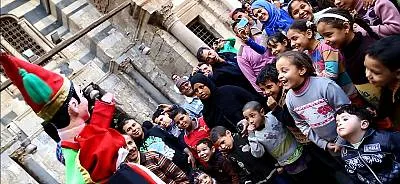
Al-Aragoz is an old form of Egyptian theatre using traditional hand puppetry. Performances are highly popular events during which puppeteers remain hidden inside a small portable stage while an assistant interacts with the puppets and crowd. Al-Aragoz takes its name from the main puppet, whose distinctive voice is created with a voice modifier. Performers and the audience interact dynamically throughout the shows, which have a comic and entertaining atmosphere, and practitioners must be skilled in manipulating and maintaining the puppet, as well as in improvisation and music. Shows explore a variety of themes relating to daily life, with a recurring theme being the struggle against corruption. The art used to be presented by groups of travelling performers, who moved from one folk celebration to another. However, when these performances began to dwindle, performers and their assistants settled permanently in fixed places, mostly in Cairo. The viability of the practice is threatened by the changing social, political, legal and cultural circumstances of its enactment, such as laws concerning public gatherings, the rise of religious radicalism, an overall decrease in interest among younger generations, and the advanced age of its active practitioners. The number of surviving practitioners has diminished while many of those who once-performed stories have now disappeared.
Country
EgyptOther heritage elements in Egypt
Representative List · Inscribed 2025Koshary, daily life dish and practices associated with itRepresentative List · Inscribed 2024Semsemiah: instrument crafting and playingRepresentative List · Inscribed 2024Henna: rituals, aesthetic and social practicesRepresentative List · Inscribed 2023Arts, skills and practices associated with engraving on metals (gold, silver and copper)Representative List · Inscribed 2022Date palm, knowledge, skills, traditions and practicesRepresentative List · Inscribed 2022Festivals related to the Journey of the Holy family in Egypt
More Urgent Safeguarding List elements
Inscribed 2011Moorish epic T’heydinnInscribed 2011Naqqāli, Iranian dramatic story-tellingInscribed 2018Yalli (Kochari, Tenzere), traditional group dances of NakhchivanInscribed 2022Traditional Ahlat stoneworkInscribed 2023Mek MulungInscribed 2023Traditional knowledge, methods and practices concerning olive cultivation
Also inscribed in 2018
- Suri Jagek (observing the sun), traditional meteorological and astronomical practice based on the observation of the sun, moon and stars in reference to the local topography
- Heritage of Dede Qorqud/Korkyt Ata/Dede Korkut, epic culture, folk tales and music
- Rūkada Nātya, traditional string puppet drama in Sri Lanka
- Pottery skills of the women of Sejnane
- Shadow play
- Horse and camel Ardhah
Data Source: UNESCO Intangible Cultural Heritage · UNESCO listing