UNESCO Intangible Cultural Heritage of Thailand: All 6 Inscriptions from Khon to Tom Yum Kung
Thailand has 6 elements inscribed on UNESCO’s Representative List of the Intangible Cultural Heritage of Humanity as of 2025 — all acquired since 2018, when Thailand inscribed its first element after ratifying the 2003 Convention on June 10, 2016. The inscriptions span performing arts, wellness practices, festive culture, culinary tradition, and textile craftsmanship. Thailand’s portfolio includes Tomyum Kung (File 01879, 2024) — one of very few specific culinary preparations to receive UNESCO ICH recognition — and the multinational Kebaya inscription (File 02090, 2024), shared with Brunei, Indonesia, Malaysia, and Singapore, recognizing the blouse-dress tradition of Southeast Asian communities.
- Thailand holds 6 UNESCO ICH inscriptions as of 2025 — all on the Representative List, all acquired since 2018 when Thailand ratified the 2003 Convention.
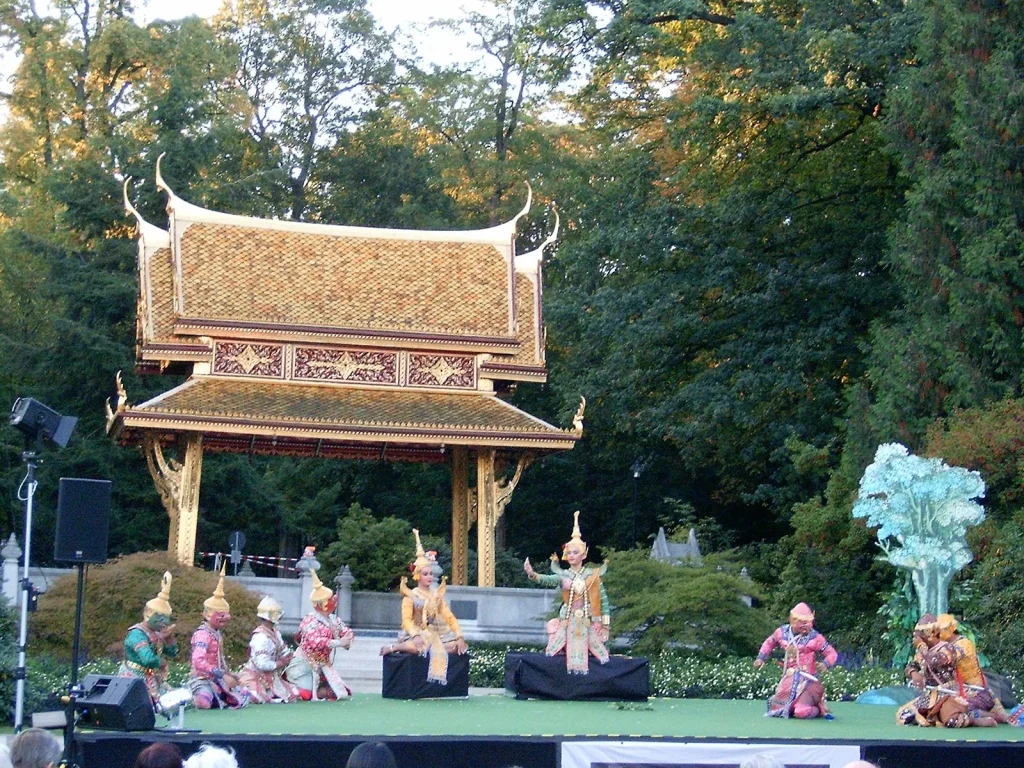
- Khon (File 01385, 2018) — Thailand’s first UNESCO ICH inscription — is the masked dance drama narrating episodes from the Ramakien (Thailand’s Ramayana), combining dance, music, elaborate masks, and episodic storytelling from the Ayutthaya period.
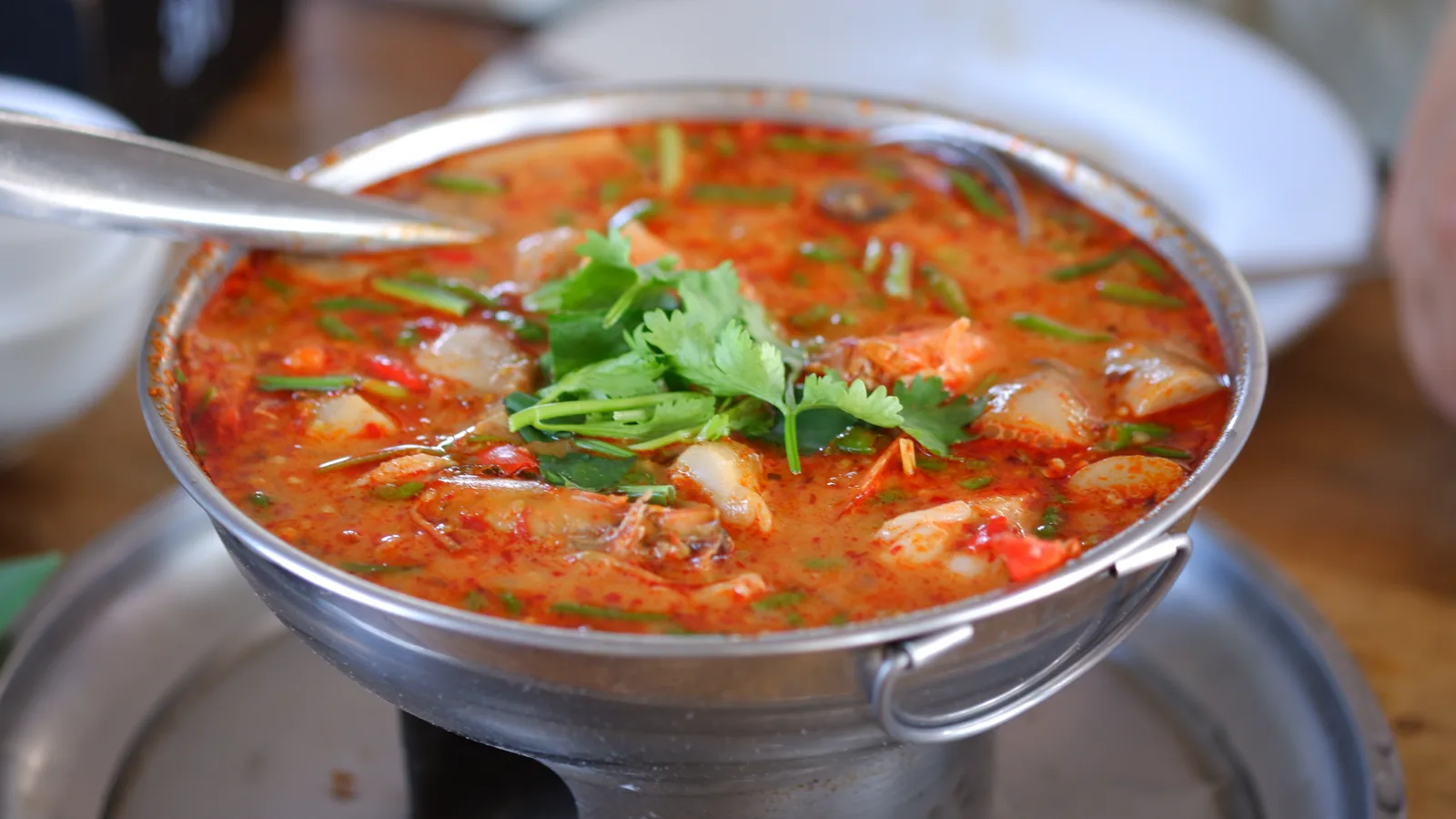
- Tomyum Kung (File 01879, 2024) was inscribed at 19.COM in Asunción, Paraguay — one of very few specific culinary preparations on the Representative List, covering the full knowledge system of aromatic herbs, technique, and community practices.
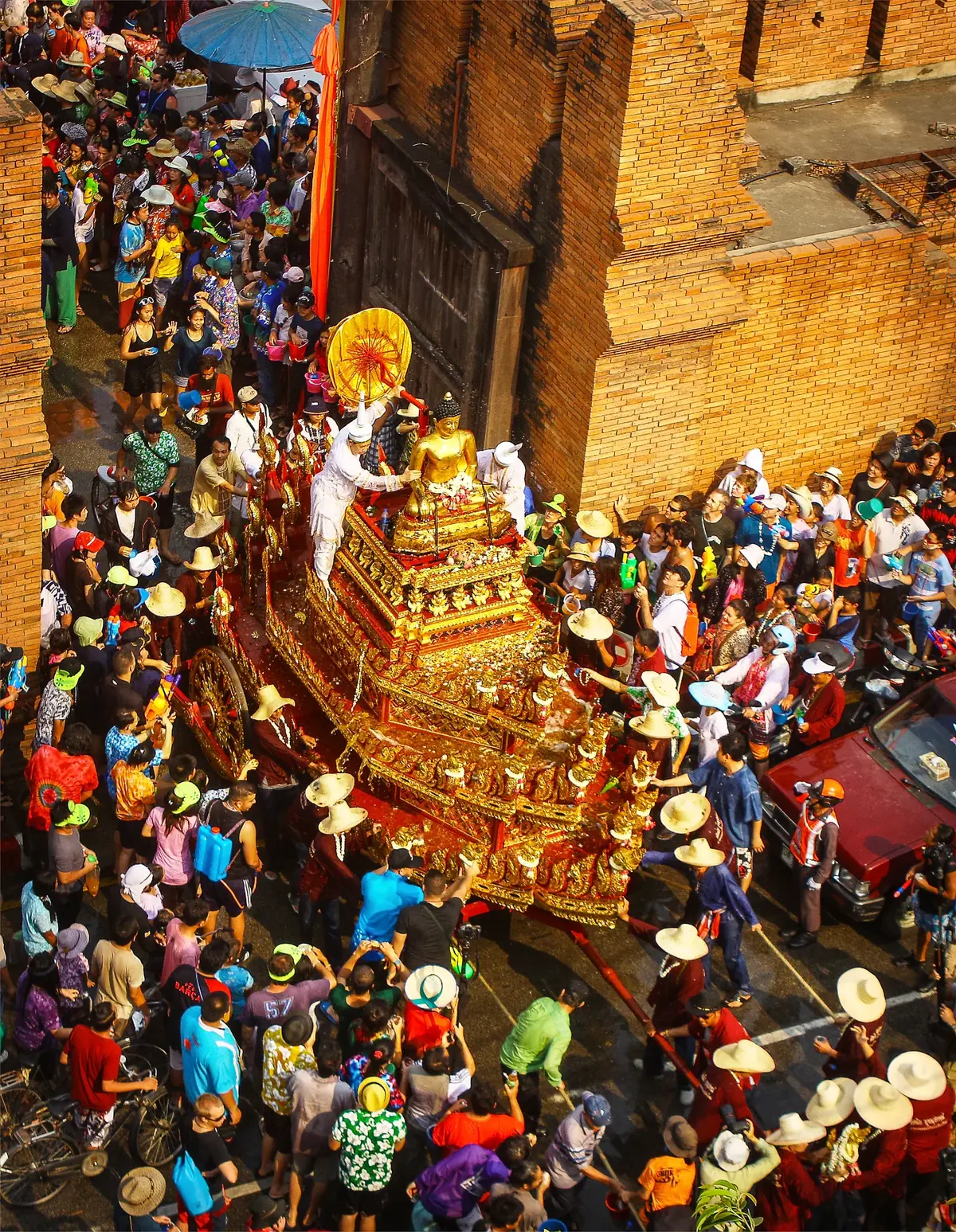
- Songkran (File 01719, 2023) — Thailand’s traditional New Year festival in April — covers merit-making, almsgiving, sand pagoda construction, and family rituals beyond the globally recognized water celebrations.
- Kebaya (File 02090, 2024) is a multinational inscription shared with Brunei, Indonesia, Malaysia, and Singapore — including the kebaya tradition of southern Thailand’s Muslim communities.
Thailand’s Complete List: 6 UNESCO ICH Inscriptions
The following 6 elements represent Thailand’s complete UNESCO Intangible Cultural Heritage portfolio as of 2025, organized chronologically.
- Khon, Masked Dance Drama in Thailand — File 01385, 2018 (13.COM, Bali). Thailand’s first and most celebrated UNESCO ICH inscription. Khon is a classical masked dance performance narrating episodes from the Ramakien — Thailand’s version of the Hindu epic Ramayana — adapted over centuries in the Siamese court tradition. The performance combines five artistic disciplines: dance, drama, music, costume, and mask-making. Performers wear elaborate hand-crafted masks representing characters from the epic — the demon Thotsakan (Ravana), the monkey god Hanuman, and divine heroes — with each mask produced by specialized artisans over several weeks. Khon was originally performed exclusively at the royal court; it became accessible to the general public in the 20th century. The tradition traces to the Ayutthaya period (14th–18th century) and synthesizes elements from Khmer court dance, Indian classical dance, and indigenous Thai theatrical traditions.
- Nuad Thai, Traditional Thai Massage — File 01384, 2019 (14.COM, Bogotá). The traditional therapeutic practice combining acupressure, assisted yoga-like stretching, and rhythmic manipulation along the body’s energy pathways (Sen Sib lines) to restore balance and promote health. Nuad Thai has been practiced in Thailand for over 2,500 years, documented in stone carvings at Wat Pho in Bangkok, and is transmitted through the royal court tradition (Nuad Ratchasamnak) and the general community tradition (Nuad Chalosak). UNESCO recognized Nuad Thai as a living therapeutic knowledge system embedded in Thai everyday health culture, transmitted through apprenticeship in temple schools, healing centers, and family networks.
- Nora, Dance Drama in Southern Thailand — File 01587, 2021 (16.COM, virtual session). The highly expressive dance drama of southern Thai communities (Nakhon Si Thammarat and surrounding provinces), characterized by its distinctive fast-paced footwork, elaborate finger extensions (lek), bird-like wing costumes, and gilt headdress. Nora has deep roots in Hindu-Brahmin cosmology mixed with local animist spirit worship; performances serve both ritual functions (appeasing ancestral spirits, fulfilling vows) and entertainment purposes. Nora practitioners undergo a formal initiation rite (Phok Nora) with a master teacher, creating lineage chains that transmit the physical techniques and ritual knowledge of the tradition.
- Songkran in Thailand, Traditional Thai New Year Festival — File 01719, 2023 (18.COM, Kasane, Botswana). The traditional Thai New Year celebration, observed in mid-April according to the ancient solar calendar, known globally for its water-pouring and water-throwing practices symbolizing purification and the washing away of bad luck. The UNESCO inscription covers the complete festival complex: dawn almsgiving to monks, offerings of food and flowers at temples, bathing of Buddha images with scented water, younger generations pouring water on elders’ hands as a gesture of respect, building of sand pagodas in temple compounds, and release of caged birds and fish. Songkran is celebrated not only in Thailand but in communities of the Thai diaspora worldwide and in neighboring countries including Laos, Myanmar, and Cambodia.
- Tomyum Kung — File 01879, 2024 (19.COM, Asunción, Paraguay, December 3, 2024). The knowledge, practices, and skills associated with the preparation of Tom Yum Kung — Thailand’s signature hot and sour aromatic soup made with shrimp, lemongrass (takrai), galangal (kha), kaffir lime leaves (bai makrut), Thai chili, and fish sauce. The UNESCO inscription covers not just the preparation technique but the ecological knowledge of sourcing aromatic herbs, the social practices of preparing and sharing the soup in community and family settings, and intergenerational culinary transmission. Tomyum Kung is one of the very few specific culinary preparations — rather than a broad food system — to receive ICH recognition on the Representative List.
- Kebaya: Knowledge, Skills, Traditions and Practices — File 02090, 2024 (19.COM, Asunción; multinational inscription with Brunei Darussalam, Indonesia, Malaysia, and Singapore). The traditional front-opening blouse-dress worn by women in Southeast Asian communities, inscribed jointly by five countries. The kebaya encompasses skills of fabric selection and cutting, embroidery techniques, fitting knowledge, and the social and ceremonial practices of wearing the garment at weddings, official ceremonies, and festivals. In Thailand, the kebaya tradition is practiced primarily among Malay Muslim communities in the southern provinces of Pattani, Yala, Narathiwat, Satun, and Songkhla.
Three Landmark Inscriptions: Khon, Songkran, and Tomyum Kung
Within Thailand’s compact portfolio, three inscriptions stand out for their global recognition, cultural depth, or significance to the ICH system.
Khon: The Royal Art of the Ramakien
Khon (File 01385) occupies the position in Thai cultural heritage that Peking Opera holds in China and Noh theater holds in Japan — a classical performance form so deeply embedded in national identity that it transcends entertainment to become a carrier of cultural cosmology. The Ramakien narrative, adapted from the Sanskrit Ramayana, tells the story of Prince Rama’s rescue of his abducted wife Sita from the demon king Thotsakan, aided by the white monkey god Hanuman and his monkey army. In the Thai telling, this cosmic struggle plays out against a landscape recognizable as the Thai peninsula, with Thai place names embedded in the narrative. Khon’s masks — representing the hundreds of demon, divine, monkey, and human characters — are produced by specialized artisans using papier-mâché, lacquer, and gilding; each mask requires weeks of skilled labor. The 2018 inscription, Thailand’s first ICH recognition, catalyzed significant government investment in Khon education and professional performance.
Songkran: From Water Festival to Cultural System
Songkran (File 01719, 2023) is internationally known as the world’s largest water fight, drawing millions of tourists to Thailand’s streets every April. But the UNESCO inscription recognized a far deeper cultural system: the New Year ritual complex that includes the astronomical calculation of the solar new year, dawn almsgiving that sustains Buddhist temple communities, the bathing of Buddha images with jasmine-scented water as an act of merit-making, the formal water-pouring ceremony on elders’ hands that reinforces generational respect, and the traditional belief system connecting seasonal renewal with spiritual purification. The inscription at 18.COM — the same session in Kasane, Botswana, that inscribed India’s Garba dance — placed Thailand’s most internationally visible festival within the global ICH framework, recognizing that its substance extends far beyond the water celebrations seen in tourist photographs.
Tomyum Kung: A Culinary Knowledge System
The 2024 inscription of Tomyum Kung (File 01879) at 19.COM in Asunción follows the precedent set by Mexico’s Traditional Cuisine (2010), Korea’s Kimjang (2013), and the Mediterranean Diet (2013) — but with a significant distinction: where those inscriptions covered broad culinary systems, Tomyum Kung is specifically a single preparation. UNESCO’s inscription is framed around the knowledge system embedded in the soup: the ecological knowledge of identifying and harvesting wild aromatic herbs, the technique of balancing the four flavors (hot, sour, salty, and aromatic) without a fixed recipe, the social transmission of this technique through oral instruction and practice, and the role of the soup in Thai community life and identity. The December 3, 2024 inscription made Tomyum Kung the first Thai food on the Representative List — and one of the few cases where a named dish holds ICH status.
For the complete official documentation of Thailand’s ICH elements including nomination files and Committee decisions, ich.unesco.org/en/state/thailand-TH is the authoritative source. For context on how Thailand’s inscriptions fit within the broader ICH framework — including how Tomyum Kung relates to other food heritage inscriptions — the UNESCO intangible cultural heritage examples overview covers global landmarks, and the UNESCO intangible cultural heritage overview traces the full 2003 Convention framework.
Frequently Asked Questions
How many UNESCO intangible cultural heritage elements does Thailand have?
Thailand has 6 UNESCO ICH elements as of 2025 — all on the Representative List of the Intangible Cultural Heritage of Humanity. The inscriptions span 2018 (Khon masked dance drama, Thailand’s first ICH inscription) through 2024 (Tomyum Kung and the multinational Kebaya inscription shared with Brunei, Indonesia, Malaysia, and Singapore). Thailand ratified the UNESCO 2003 Convention on June 10, 2016.
What was Thailand’s first UNESCO intangible cultural heritage inscription?
Thailand’s first UNESCO ICH inscription was Khon (File 01385), the masked dance drama narrating the Ramakien epic, inscribed in 2018 at the 13th session of the Intergovernmental Committee (13.COM) in Bali, Indonesia. Khon combines dance, drama, music, elaborate mask-making, and embroidered costumes in classical performances that trace to the Ayutthaya court tradition of the 14th–18th centuries.
Is Tom Yum Kung on the UNESCO intangible cultural heritage list?
Yes. Tomyum Kung was inscribed on UNESCO’s Representative List of the Intangible Cultural Heritage of Humanity on December 3, 2024, at the 19th session of the Committee (19.COM) in Asunción, Paraguay, under File 01879. The inscription covers the knowledge, practices, and skills associated with preparing Thailand’s signature hot and sour aromatic soup — including herb knowledge, flavor-balancing techniques, and intergenerational culinary transmission — making it one of very few specific culinary preparations to receive ICH recognition.
What is Khon in Thai culture?
Khon is Thailand’s classical masked dance drama narrating episodes from the Ramakien (Thailand’s version of the Hindu Ramayana epic). Performances feature elaborately hand-crafted masks representing characters including the demon king Thotsakan (Ravana), the monkey god Hanuman, and divine heroes. Each mask is produced by specialized artisans using papier-mâché, lacquer, and gilding over several weeks. Khon originated as royal court performance during the Ayutthaya period (14th–18th century) and synthesizes Khmer, Indian, and indigenous Thai theatrical traditions. UNESCO inscribed Khon in 2018 as Thailand’s first ICH element (File 01385).
When was Songkran inscribed on UNESCO’s intangible cultural heritage list?
Songkran in Thailand, Traditional Thai New Year Festival was inscribed on UNESCO’s Representative List of the Intangible Cultural Heritage of Humanity in December 2023, at the 18th session of the Intergovernmental Committee (18.COM) in Kasane, Botswana, under Decision 18.COM 8.B.10. The inscription holds File 01719 and covers the complete Thai New Year ritual complex — not only the internationally known water-throwing but also almsgiving, merit-making, Buddha image bathing, and family ceremonies.