Vietnam UNESCO Intangible Cultural Heritage: Complete List of 17 Recognized Elements
Vietnam holds one of Southeast Asia’s most comprehensive portfolios of UNESCO intangible cultural heritage recognition. As of 2025, Vietnam has 17 elements recognized by UNESCO — 14 on the Representative List of the Intangible Cultural Heritage of Humanity and 3 on the List of Intangible Cultural Heritage in Need of Urgent Safeguarding. The collection spans Vietnamese court music, ethnic minority ritual traditions, folk singing genres, craft practices, and festivals, representing both Kinh majority culture and the country’s 53 recognized ethnic minorities. This total has grown steadily since Vietnam’s first UNESCO ICH recognition in 2003 — the proclamation of Nha Nhac, the Vietnamese royal court music — and most recently expanded with the 2025 inscription of Đông Hồ folk woodblock printings on the Urgent Safeguarding List.
- Vietnam has 17 UNESCO ICH elements as of 2025 — 14 on the Representative List and 3 on the Urgent Safeguarding List.
- The oldest recognition: Nha Nhac (Vietnamese court music), proclaimed a UNESCO Masterpiece in 2003 and incorporated into the Representative List in 2008 as File No. 00074.
- The most recent addition: Đông Hồ folk woodblock printings (2025, Urgent Safeguarding List, File No. 01737).
- One element — Xoan singing of Phú Thọ province — was successfully transferred from the Urgent Safeguarding List (2011) to the Representative List (2017), a rare achievement in UNESCO’s ICH system.
- Pending UNESCO nominations include phở (pho noodle soup) and water puppetry, for which scientific dossiers have received government approval.
Vietnam’s UNESCO ICH Complete List: All 17 Recognized Elements
Vietnam’s 17 UNESCO-recognized intangible cultural heritage elements span six decades of international recognition, from the 2003 proclamation of Nha Nhac to the 2025 inscription of Đông Hồ woodblock printings. The elements are spread across the Representative List and Urgent Safeguarding List — the two primary mechanisms under UNESCO’s 2003 Convention for the Safeguarding of Intangible Cultural Heritage. A third element, the Space of Gong Culture (File No. 00078), was recognized as a UNESCO Masterpiece in 2005 and incorporated into the Representative List in 2008.
Representative List: 14 Elements
- Nha Nhac — Vietnamese court music (2003/2008, File No. 00074): The ceremonial music of the Vietnamese imperial court, performed at the Nguyen Dynasty (1802–1945) royal palace in Huế. Originally proclaimed a UNESCO Masterpiece in 2003 and incorporated into the Representative List in 2008. The tradition nearly disappeared during the 20th century and is now maintained through institutional revival programs in Huế.
- Space of Gong Culture of the Central Highlands (2005/2008, File No. 00078): A multi-ethnic tradition of bronze gong playing among the Bahnar, Jarai, M’nong, Ê Đê, Cơ Ho, and other Central Highlands peoples — recognized as a UNESCO Masterpiece in 2005 and incorporated into the RL in 2008.
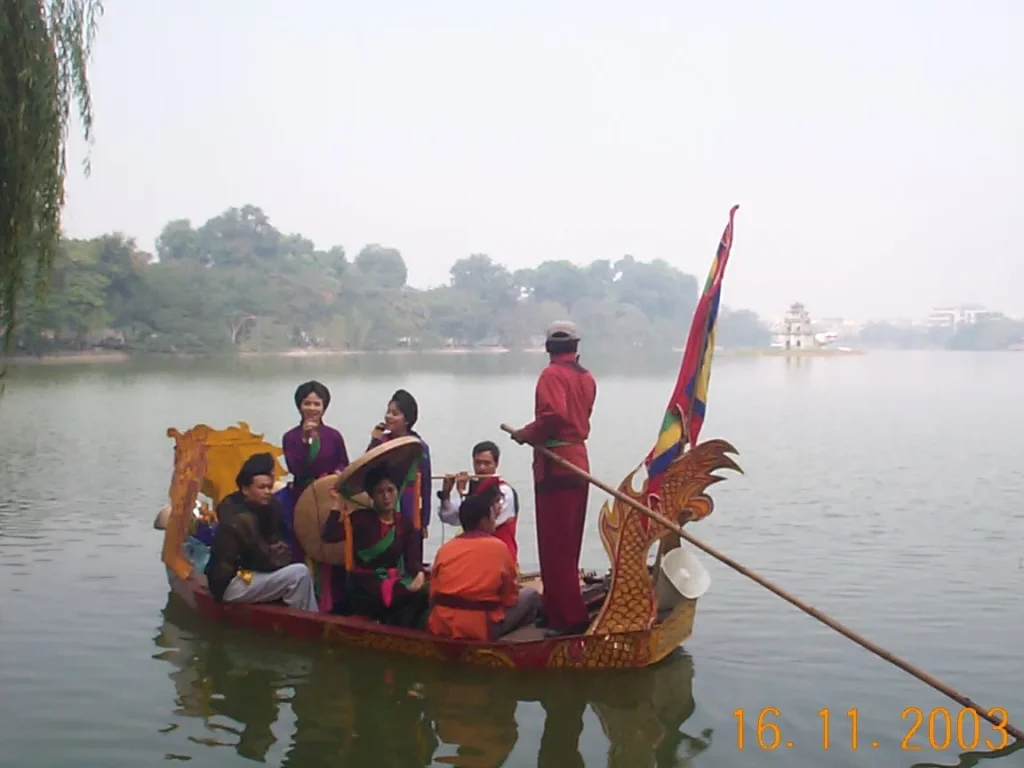
- Quan Họ Bắc Ninh folk songs (2009, File No. 00183): A call-and-response folk singing tradition from Bắc Ninh province, performed between two groups — typically women from one village and men from another — using over 200 melody variations. Inscribed September 30, 2009.
- Gióng Festival of Phù Đổng and Sóc Temples (2010, File No. 00443): An annual ritual festival commemorating the mythological Saint Gióng, who repelled Chinese invaders in antiquity. The festival involves costumed processions, mock battles, and ceremonies at Phù Đổng Temple in Hà Nội and Sóc Temple in Vĩnh Phúc.
- Worship of Hùng Kings in Phú Thọ (2012, File No. 00735): Annual ritual practices honoring the legendary Hùng Kings — the founding ancestors of the Vietnamese nation — at Hùng Kings Temple on Nghĩa Lĩnh Mountain. The Hùng Kings death anniversary (10th day of the 3rd lunar month) is a Vietnamese national holiday.
- Art of Đờn ca tài tử music and song in southern Viet Nam (2013, File No. 00733): An amateur chamber music tradition from southern Vietnam combining court music, folk music, and improvisation. Developed in the late 19th century as a form of artistic entertainment for educated communities in the Mekong Delta region.
- Ví and Giặm folk songs of Nghệ Tĩnh (2014, File No. 01008): Two related vocal forms — Ví (call-and-response work songs) and Giặm (a narrative form with fixed melody) — originating in Nghệ An and Hà Tĩnh provinces and closely tied to agricultural labor traditions.
- Tugging rituals and games (2015, File No. 01080): A multi-national inscription shared by Vietnam, Cambodia, South Korea, and the Philippines. The Vietnamese element covers tug-of-war ritual ceremonies practiced during the lunar new year and agricultural festivals, believed to influence rainfall and harvest fertility.
- Practices related to the Việt beliefs in the Mother Goddesses of Three Realms (2016, File No. 01064): A syncretic religious practice venerating three mother goddesses governing heaven, earth, and water. The tradition incorporates elaborate ceremonies (lên đồng, spirit mediumship), elaborate costuming, and chầu văn devotional music.
- Art of Bài Chòi in Central Viet Nam (2017, File No. 01222): A game-based performing art combining a lottery-like card game with sung narrative, traditionally performed at Tết (Lunar New Year) festivals in Quảng Nam, Bình Định, and Quảng Ngãi provinces.
- Xoan singing of Phú Thọ province (2017, File No. 01260): A ritual singing form performed at village communal houses in Phú Thọ province during spring festivals. First inscribed on the Urgent Safeguarding List in 2011; successfully transferred to the Representative List in 2017 after documented revival — a notable example of effective safeguarding.
- Practices of Then by Tày, Nùng and Thái ethnic groups (2019, File No. 01379): A ritual music and singing practice used in Then ceremonies — life-transition and healing rituals — among three ethnic minorities in the northern Vietnam highland provinces.
- Art of Xòe dance of the Tai people (2021, File No. 01575): A circular communal dance of the Tai ethnic group in Yên Bái, Lai Châu, Điện Biên, and Sơn La provinces, performed at festivals and community gatherings. The Xòe Thái tradition includes 36 recognized dance forms.
- Festival of Bà Chúa Xứ Goddess at Sam Mountain (2024, File No. 01999): An annual festival at the Bà Chúa Xứ Temple in Châu Đốc (An Giang province), among the most-attended religious gatherings in southern Vietnam. Inscribed in December 2024 as Vietnam’s most recent addition to the Representative List.
Urgent Safeguarding List: 3 Elements
- Ca trù singing (2009, File No. 00309): A sophisticated sung poetry form from northern Vietnam, performed by a female singer (ca nương) accompanying herself on a small wooden clapper (phách), with a male musician playing a three-stringed lute (đàn đáy). Ca trù appeared in the 15th century and thrived in Hanoi’s private performance venues until the early 20th century. Inscribed on the Urgent Safeguarding List in October 2009 due to the small number of practicing masters and declining transmission.
- Art of pottery-making of Chăm people (2022, File No. 01574): Traditional hand-built ceramic techniques of the Cham (Chăm) ethnic minority, practiced primarily in Ninh Thuận and Bình Thuận provinces. The tradition uses no potter’s wheel — vessels are built by hand and fired in open kilns — and is transmitted exclusively through mother-to-daughter teaching lines.
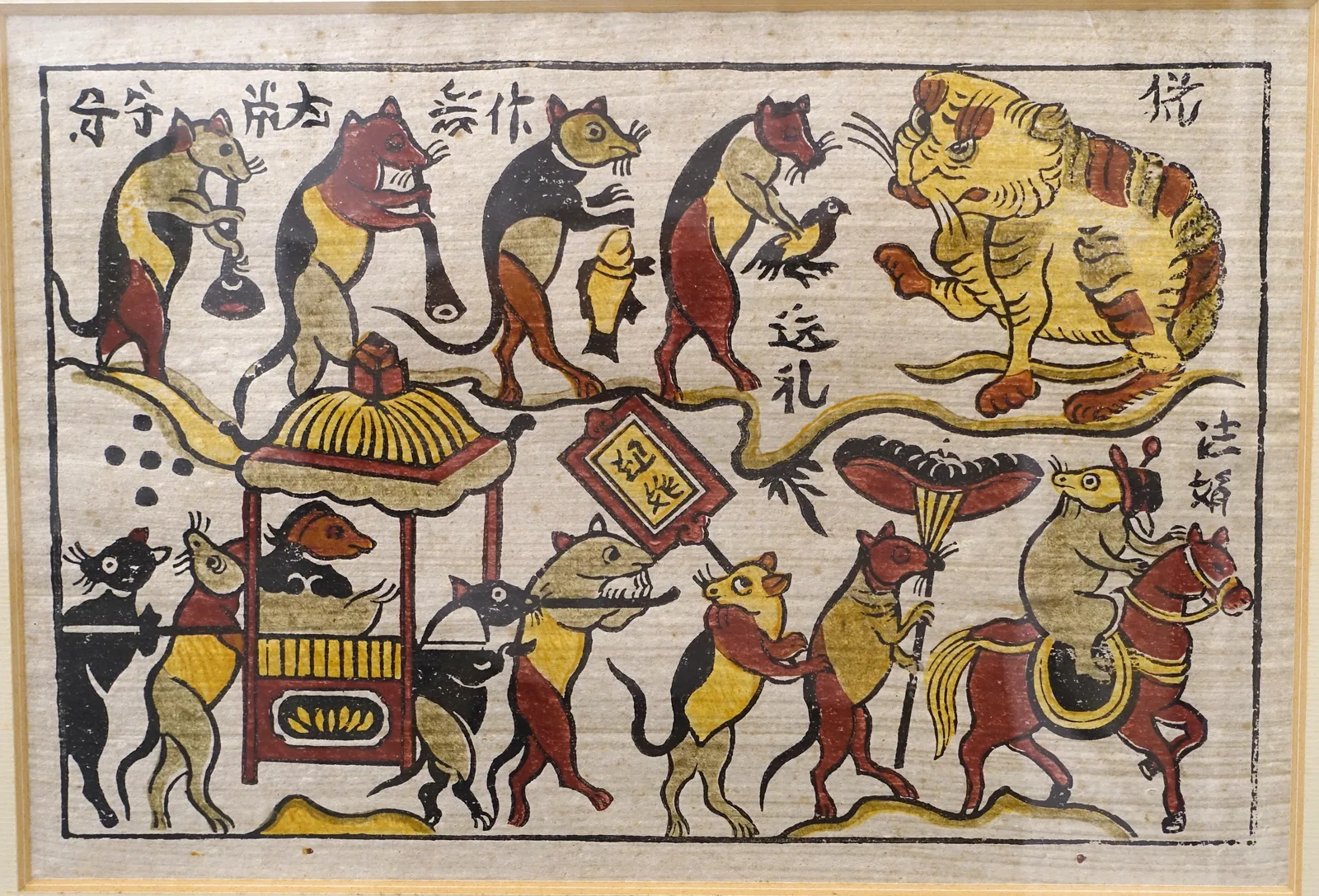
- Craft of making Đông Hồ folk woodblock printings (2025, File No. 01737): The most recent UNESCO recognition for Vietnam (2025). A 500-year-old tradition of hand-printed folk art from Đông Hồ village in Bắc Ninh province, using natural pigments (burnt rice straw, indigo, chrysanthemum) on paper made from bark (giấy điệp). The prints depict daily life, beliefs, and historical themes in a distinctive flat, colorful style.
From Masterpieces to the Representative List: How Vietnam’s ICH Recognition Developed
Vietnam’s engagement with UNESCO’s intangible heritage system traces back to the pre-Convention era of the 2003 Masterpieces program. Understanding how the current list was built requires understanding this institutional history — and the unique position of elements like Xoan singing that moved between lists.
The 2003 Masterpieces Program: Nha Nhac and the Gong Culture Space
Before the 2003 Convention for the Safeguarding of Intangible Cultural Heritage created the Representative List, UNESCO operated a “Masterpieces of Oral and Intangible Heritage” proclamation program. Vietnam received two proclamations under this program:
- Nha Nhac (2003): Vietnamese royal court music, centered on the ceremonial traditions of the Nguyen Dynasty. When the 2003 Convention came into effect in 2008, all 90 Masterpieces were incorporated into the Representative List. Nha Nhac became File No. 00074 — one of the lowest-numbered (earliest) elements in the entire UNESCO ICH database.
- Space of Gong Culture of the Central Highlands (2005): The second Vietnamese Masterpiece, recognizing the bronze gong traditions of six ethnic groups in the Central Highlands. It became File No. 00078 upon incorporation into the Representative List in 2008.
Xoan Singing: A Successful Safeguarding Case
One of the most significant outcomes in Vietnam’s UNESCO ICH history is the trajectory of Xoan singing (Hát Xoan). In 2011, UNESCO inscribed it on the Urgent Safeguarding List — a designation reserved for traditions facing imminent threat of disappearance. The inscription triggered a national safeguarding program: the Vietnamese government funded documentation, identified surviving masters, established apprenticeship programs, and systematically linked Xoan performance to spring ritual contexts in Phú Thọ’s communal houses.
The program’s success was recognized in 2017 when UNESCO transferred Xoan singing from the Urgent Safeguarding List to the Representative List — only the second element in the entire UNESCO ICH system to achieve this transition at that time. This transfer is significant in the global context: it demonstrates that UNESCO’s urgent safeguarding designation can function as an effective intervention rather than merely an alert, and provides a model cited by heritage scholars examining how state-backed transmission programs can reverse decline trajectories. Ca trù, still on the Urgent Safeguarding List since 2009, has not yet achieved the same transition — and Vietnam’s ongoing reporting obligations include documentation of whether ca trù transmission is being maintained through its small network of remaining practitioners.
Future Nominations: Phở, Water Puppetry, and Vietnam’s ICH Pipeline
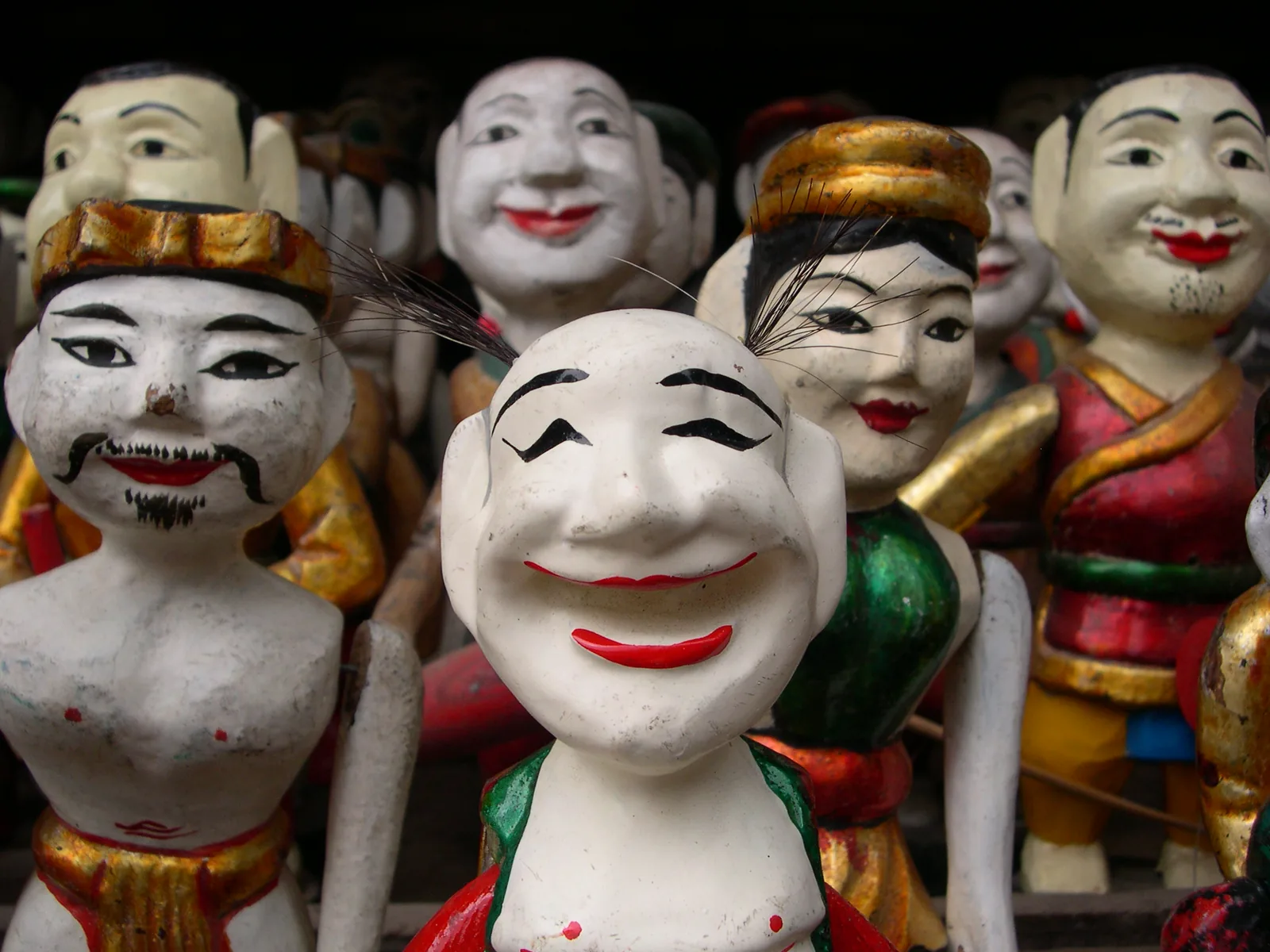
Vietnam’s Deputy Prime Minister has approved the preparation of scientific dossiers for two additional UNESCO nominations: phở (Vietnamese rice noodle soup) and water puppetry (múa rối nước). If submitted and inscribed, these would be among the most globally recognized Vietnamese cultural practices to receive formal UNESCO protection. Water puppetry — a performance tradition originating in northern Vietnam’s flooded rice paddies, in which puppets manipulated by hidden operators perform on a water stage — is already well-known internationally through touring performances and cultural center productions worldwide. Phở’s potential nomination would follow the precedent of other food-based ICH inscriptions, including the Mediterranean diet (inscribed 2010) and Turkish coffee culture (2013). For the full official record of Vietnam’s inscribed elements, see ich.unesco.org/en/state/viet-nam-VN.
Frequently Asked Questions
How many UNESCO intangible cultural heritage elements does Vietnam have?
As of 2025, Vietnam has 17 UNESCO-recognized intangible cultural heritage elements: 14 on the Representative List of the Intangible Cultural Heritage of Humanity and 3 on the List of Intangible Cultural Heritage in Need of Urgent Safeguarding. The most recent addition is Đông Hồ folk woodblock printings (2025, Urgent Safeguarding List, File No. 01737).
What was Vietnam’s first UNESCO intangible cultural heritage recognition?
Vietnam’s first UNESCO ICH recognition was Nha Nhac, Vietnamese royal court music, proclaimed a UNESCO Masterpiece of Oral and Intangible Heritage in 2003. It was formally incorporated into the Representative List in 2008 as File No. 00074 — one of the lowest-numbered elements in the entire UNESCO ICH database, reflecting its status as an early entrant.
What is Ca Tru singing and why is it on the Urgent Safeguarding List?
Ca Tru is a sophisticated sung poetry form from northern Vietnam featuring a female singer with a wooden clapper and a male musician on a three-stringed lute (đàn đáy). It was inscribed on UNESCO’s Urgent Safeguarding List in 2009 because very few practitioners remained capable of transmitting the tradition. Unlike Xoan singing (which successfully transferred to the Representative List in 2017), Ca Tru remains on the Urgent Safeguarding List as of 2025.
What is the significance of Xoan singing’s transfer from the Urgent Safeguarding List to the Representative List?
Xoan singing (Hát Xoan) was inscribed on UNESCO’s Urgent Safeguarding List in 2011 due to near-disappearance, then transferred to the Representative List in 2017 after a national revival program succeeded. This transfer — only the second in the UNESCO ICH system at the time — is cited by heritage scholars as a model of effective state-led safeguarding. It demonstrates that UNESCO’s urgent designation can function as an effective intervention, not just an alert.
Is phở on UNESCO’s intangible cultural heritage list?
Not yet. Vietnam’s Deputy Prime Minister has approved the preparation of a scientific dossier for a UNESCO nomination of phở (Vietnamese rice noodle soup), alongside water puppetry. Once submitted, they would go through UNESCO’s multi-year review process before any inscription could occur. As of 2025, phở is not on UNESCO’s lists but is on Vietnam’s domestic cultural heritage nominations pipeline.