
UNESCO Intangible Cultural Heritage Food List: All Major Culinary Traditions Recognized
Food is among the most actively expanding categories in UNESCO’s intangible cultural heritage program. As of 2025, approximately 50 food-related cultural practices appear on UNESCO’s Representative List and Urgent Safeguarding List — covering culinary traditions from every inhabited continent. The first food inscriptions came in 2010, when the same 5th Intergovernmental Committee session that inscribed flamenco also recognized Traditional Mexican cuisine, the Gastronomic Meal of the French, and the Mediterranean diet. The most recent major culinary addition is Italian cuisine, which UNESCO inscribed on December 10, 2025 — joining the three 2010 inscriptions as the fourth major “national cuisine” to receive international protection. These food inscriptions share an important characteristic: UNESCO does not protect specific dishes or recipes — it protects the cultural practices of preparation, transmission, seasonal rhythm, and communal sharing that surround food traditions.
- UNESCO has inscribed approximately 50 food-related ICH elements as of 2025 — the first food inscriptions were in 2010.
- The four major “national cuisine” inscriptions: Mexican cuisine (2010), French gastronomic meal (2010), Japanese washoku (2013), and Italian cuisine (2025).
- UNESCO protects cultural practices of food preparation and sharing — not specific recipes or ingredients. The inscription covers how food is prepared, transmitted, and embedded in community life.
- The Mediterranean diet is the largest multinational food inscription: Cyprus, Croatia, Greece, Italy, Morocco, Portugal, and Spain.
- South Korea’s kimchi-making culture (Kimjang) was inscribed in 2015 (File No. 01063); North Korea’s kimchi tradition was inscribed separately in 2015 as well.
Major Food ICH Inscriptions: Chronological Overview (2010–2025)
UNESCO’s food heritage inscriptions have grown from three in 2010 to approximately fifty by 2025. They cluster around two broad categories: national/regional cuisine systems (where a country’s overall food culture is recognized) and specific food practices (where a single ingredient, dish, or preparation ritual is inscribed). The following covers the most significant inscriptions chronologically.
2010: The Founding Inscriptions
At the 5th session of the Intergovernmental Committee in Nairobi (November 2010), three foundational food inscriptions entered the Representative List:
- Traditional Mexican cuisine — ancestral, ongoing community culture, the Michoacán paradigm (Mexico, 2010, File No. 00400): UNESCO recognized not “Mexican food” broadly but the integrated food system of Michoacán state — the milpa (raised-field agricultural system combining corn, beans, and squash), ancestral cooking techniques, and the transmission of culinary knowledge through women’s networks. The inscription emphasized the milpa system as a sustainable agricultural heritage rather than a single dish.
- Gastronomic meal of the French (France, 2010, File No. 00411): The entire ritual of a formal French meal — selecting dishes, pairing wine, setting the table, toasting — rather than any particular recipe. UNESCO’s documentation emphasized the social function: “bringing people together for important occasions to enjoy the art of good eating and drinking.” The inscription covers meal structure (aperitif through digestif), specific wine and food pairing knowledge, and the expectation of aesthetic pleasure in French dining.
- Mediterranean diet (2010/2013/2016, File No. 00884): Initially inscribed by Cyprus, Croatia, Greece, Italy, Morocco, Portugal, and Spain, the Mediterranean diet inscription covers not just nutritional content but the cultural practices of cultivation, preparation, and communal sharing of olive oil, bread, legumes, fish, and seasonal produce. UNESCO’s framing was explicitly ecological: the diet is embedded in seasonal agricultural cycles, local market culture, and the social practice of eating together.
2013: Washoku and Kimchi
- Washoku, traditional dietary cultures of Japan (Japan, 2013, File No. 00869): Inscribed at the 8th Committee session in Baku. UNESCO’s file covers four principles governing washoku: a wide variety of fresh, local ingredients; nutritional balance achieved through a compositional system; beauty in seasonal expression; deep connection to annual events and celebrations — particularly New Year. The inscription was partly driven by concern about westernization reducing traditional cooking knowledge among younger Japanese generations.
- Kimjang, making and sharing kimchi (South Korea, 2013/2015, File No. 01063): UNESCO recognized the communal practice of kimchi preparation — particularly the winter kimjang season when neighbors collectively prepare hundreds of head of cabbage — rather than the product itself. Separately, North Korea inscribed its own kimchi-making tradition in 2015 (File No. 01063). The dual inscription for the same practice by two states is unusual in UNESCO’s system and reflects the political complexity of Korean cultural heritage.
2016–2020: Lavash, Beer, Dolmeh, and Couscous
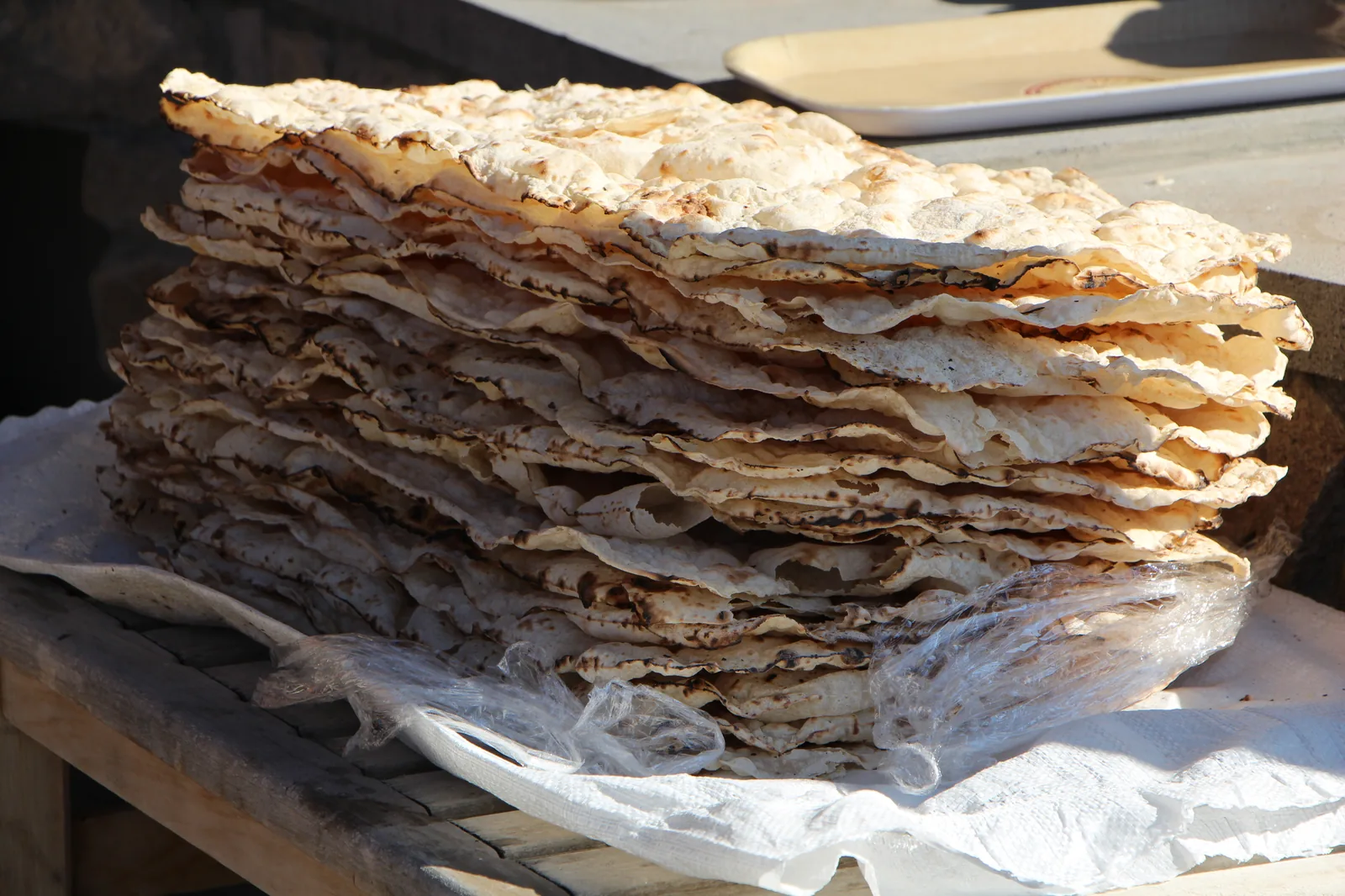
- Lavash, Katyrma, Jupka, Yufka: flatbread making (Armenia, Iran, Kazakhstan, Kyrgyzstan, Turkey, 2016, File No. 01181): A multinational inscription covering thin flatbread traditions across five countries. Lavash (Armenian unleavened bread baked in a clay oven) was the most prominent element, though the inscription covers variant forms across Central Asia and Anatolia.
- Beer culture of Belgium (Belgium, 2016, File No. 01062): UNESCO recognized Belgium’s distinctive beer culture — including the knowledge of hundreds of brewing styles, beer-and-food pairing traditions, the role of the brewery as community space, and the social ritual of specific beer glasses for specific styles. The file documented over 1,500 Belgian beer varieties and the cultural knowledge required to produce and serve them.
- Dolmeh making and sharing (Azerbaijan, Iran, 2017, File No. 01188): The preparation and sharing of dolmeh — stuffed vine or vegetable leaves filled with a rice-herb-meat mixture — as a communal practice embedded in family gatherings and seasonal celebrations.
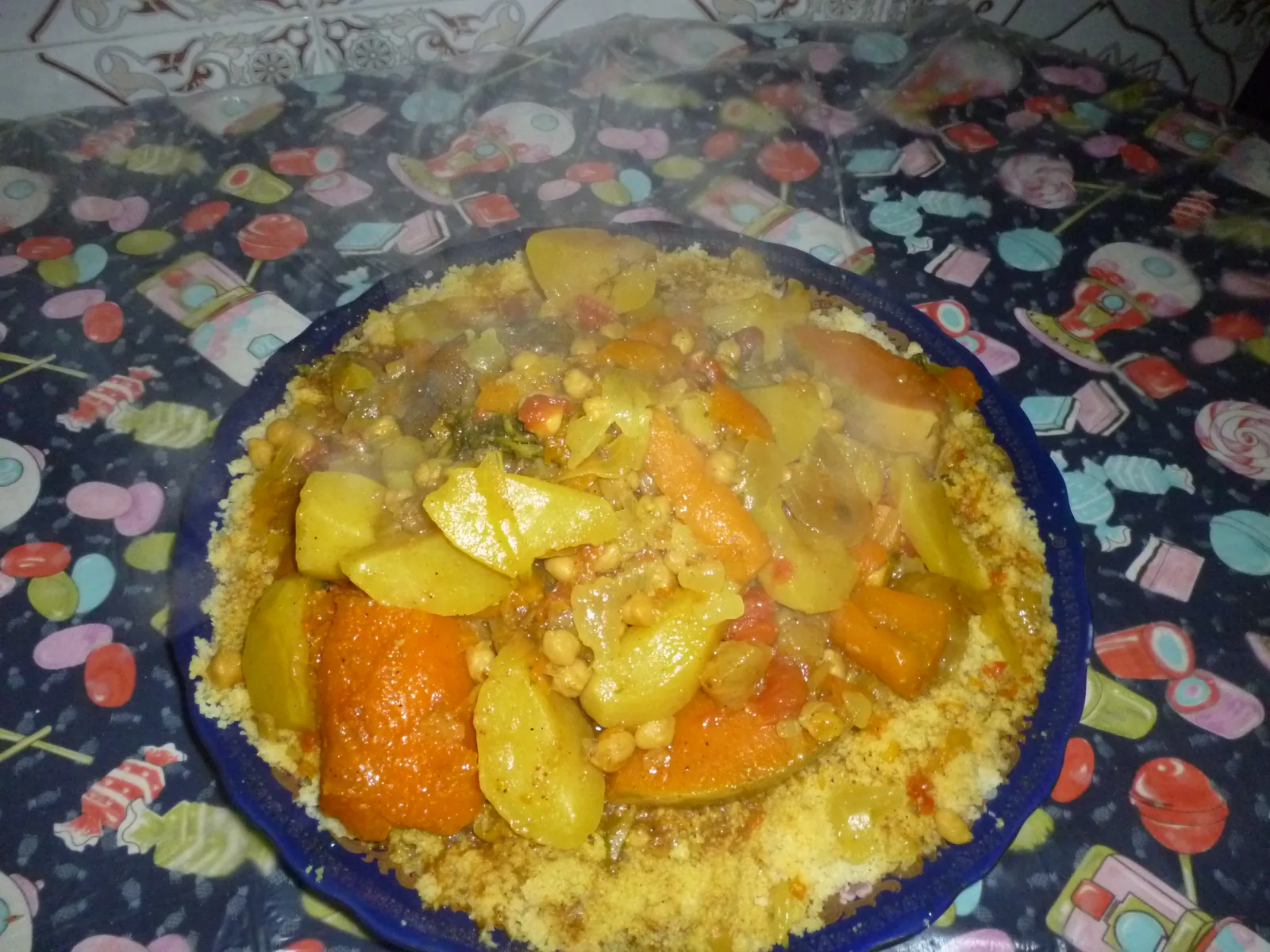
- Couscous, knowledge and know-how (Algeria, Mauritania, Morocco, Tunisia, 2020, File No. 01426): The preparation, cooking, and sharing of couscous across the Maghreb — UNESCO specifically noted the practice of women hand-rolling semolina grains (a skill requiring years to master), the steaming process, and the social ritual of serving couscous at funerals, weddings, and Friday communal meals.
2021–2025: Haitian Soup, Coffee Ceremonies, and Italian Cuisine
- Haitian joumou soup (Haiti, 2021, File No. 01644): The preparation and consumption of joumou (pumpkin soup), traditionally eaten on January 1 — Haitian Independence Day — to commemorate the abolition of slavery. Enslaved people had been forbidden from eating the soup by French colonizers; its consumption on independence day carries deep symbolic weight as an act of liberation.
- Tom Yum Kung (Thailand, 2024): Thai spicy lemongrass shrimp soup was inscribed on UNESCO’s Representative List in 2024 — the first Thai culinary tradition to receive UNESCO recognition. UNESCO’s documentation covered cultivation of lemongrass, galangal, and kaffir lime; preparation techniques; and the social role of tom yum kung as a marker of national identity.
- Italian cuisine (Italy, 2025): The most recent major culinary inscription — UNESCO recognized Italian cuisine broadly on December 10, 2025, the same session that also evaluated several other nominations. The inscription covers not a single dish but Italy’s culinary culture: the tradition of preparing fresh pasta and regional dishes for family and social occasions, the seasonal relationship between ingredients and cooking cycles, and the intergenerational transmission of recipes through family networks. Italy had previously received a specific inscription for Neapolitan pizza-making (the art of the Neapolitan pizzaiuolo) in 2017 (File No. 01722).
What UNESCO Protects in Food Heritage: Practices, Not Recipes
The consistent principle across all UNESCO food inscriptions is that the designation targets cultural practices rather than specific dishes, ingredients, or recipes. This distinction matters for understanding what UNESCO food inscriptions actually mean — and what they don’t.
The Practice Framework: Transmission, Seasonality, and Community
UNESCO’s 2003 Convention for the Safeguarding of Intangible Cultural Heritage defines ICH as practices, representations, expressions, knowledge, and skills recognized by communities as part of their cultural heritage. Applied to food, this means the inscription covers:
- Transmission pathways — who passes knowledge to whom, and how. The Michoacán cuisine inscription centers on women as knowledge holders; washoku on families; kimjang on neighborhood cooperation networks.
- Seasonal and ecological embeddedness — the way food practices tie communities to agricultural cycles, local ingredients, and ecological knowledge. Mediterranean diet inscriptions emphasize olive harvesting cycles; washoku covers the seasonal appearance of ingredients in Japanese cuisine.
- Social occasions and ritual functions — the role of food in marking community events. The French gastronomic meal inscription is explicitly about formal social occasions; the Haitian joumou soup carries national liberation memory; kimjang creates community solidarity through collective labor.
- Associated crafts and knowledge systems — the vessel-making, fermentation knowledge, and agricultural techniques that support food practices. The couscous inscription covers hand-rolling technique as a craft skill; beer culture covers brewing knowledge as a specialized craft tradition.
What Food Inscription Does Not Mean
UNESCO food inscriptions are frequently misreported as protecting “national dishes” or granting countries ownership over recipes. They do neither. The French gastronomic meal inscription does not give France exclusive rights over haute cuisine; the washoku inscription does not prevent other countries from producing Japanese-style food; the Mexican cuisine inscription did not stop Tex-Mex from existing. The legal framework of the 2003 Convention is about safeguarding obligations — each nominating state is required to report periodically to UNESCO on how they are maintaining the transmission conditions for the inscribed practice. For food inscriptions, this typically means funding culinary schools, documenting traditional techniques, supporting master practitioners, and maintaining institutional knowledge within the communities where the practice originated. For the official database of all food-related inscriptions, the UNESCO ICH lists database allows filtering by domain and country to identify all culinary ICH elements currently on the lists.
Frequently Asked Questions
What foods are on UNESCO’s intangible cultural heritage list?
UNESCO has inscribed approximately 50 food-related cultural practices on its intangible heritage lists as of 2025. Major inclusions include the Gastronomic Meal of the French (2010), Traditional Mexican Cuisine (2010), Mediterranean diet (2010), Washoku/Japanese cuisine (2013), Kimjang/Korean kimchi-making (2015), Couscous (2020), Haitian joumou soup (2021), Tom Yum Kung/Thailand (2024), and Italian cuisine (2025). UNESCO protects food practices, not specific recipes or dishes.
Is French cuisine on UNESCO’s intangible cultural heritage list?
Yes. The “Gastronomic Meal of the French” was inscribed on UNESCO’s Representative List in November 2010 (File No. 00411). The inscription covers the ritual of a formal French meal — from aperitif selection to digestif — as a social and aesthetic practice, not any specific dish or recipe. France was the first country to have its broader culinary culture inscribed at UNESCO.
When was Italian cuisine added to UNESCO’s intangible cultural heritage list?
Italian cuisine was inscribed on UNESCO’s Representative List on December 10, 2025. This followed Italy’s earlier, more specific inscription for the Neapolitan pizzaiuolo tradition (Art of Neapolitan pizza-making, 2017, File No. 01722). The 2025 inscription covers Italian culinary culture broadly — fresh pasta preparation, regional dishes, seasonal ingredient cycles, and intergenerational transmission through family networks.
What is the Mediterranean diet UNESCO inscription?
The Mediterranean diet is a multinational UNESCO ICH inscription (File No. 00884) shared by Cyprus, Croatia, Greece, Italy, Morocco, Portugal, and Spain. UNESCO does not protect a specific diet plan but the cultural practices surrounding it: olive cultivation, communal bread-making, seasonal fishing traditions, the social ritual of shared meals, and ecological knowledge of local ingredients. The inscription emphasizes sustainable food practices tied to Mediterranean agricultural cycles.
Does UNESCO ownership of a food tradition mean other countries can’t use it?
No. UNESCO intangible cultural heritage inscriptions create no intellectual property rights or exclusive ownership. The French gastronomic meal inscription does not give France exclusive rights over formal dining; the Mexican cuisine inscription does not restrict other countries from preparing Mexican food. UNESCO inscriptions create safeguarding obligations for the nominating state — requirements to report on transmission and support for traditional practitioners — but no legal restrictions on others.