UNESCO Intangible Cultural Heritage List 2021: All 43 Inscriptions from the 16th Session
The 16th session of the Intergovernmental Committee for the Safeguarding of the Intangible Cultural Heritage (16.COM) took place December 13–18, 2021 as a virtual session — the only ICH Committee meeting held entirely online, due to COVID-19 restrictions. The Committee examined 62 files and inscribed 39 elements on the Representative List of the Intangible Cultural Heritage of Humanity, 4 on the List of Intangible Cultural Heritage in Need of Urgent Safeguarding, and approved 3 programmes on the Register of Good Safeguarding Practices — for a total of 46 new entries. The session marked the first UNESCO ICH inscriptions for 9 countries: Congo, Denmark, Haiti, Iceland, the Federated States of Micronesia, Montenegro, the Democratic Republic of the Congo, Seychelles, and Timor-Leste. Following 16.COM, the Representative List stood at 630 elements from 140 countries.
- 16.COM (December 13–18, 2021) was held as a virtual session — the only fully online ICH Committee meeting — and inscribed 39 elements on the Representative List, plus 4 on the Urgent Safeguarding List.
- Arabic calligraphy (multinational, 16 countries) and Falconry (expanded, 24+ countries) were among the largest multinational inscriptions of the 2021 session.
- Durga Puja in Kolkata (India) and Gamelan (Indonesia) were among the most globally recognized elements inscribed in 2021, alongside food heritage inscriptions for Ceebu jën (Senegal) and Joumou soup (Haiti).
- 9 countries received their first ICH inscription at 16.COM: Congo, Denmark, Haiti, Iceland, Federated States of Micronesia, Montenegro, Democratic Republic of the Congo, Seychelles, and Timor-Leste.
- Congolese rumba was inscribed as a joint nomination by both Congo and the Democratic Republic of the Congo — two separate countries sharing a cultural tradition across the Congo River.
2021 UNESCO ICH Representative List Inscriptions
The following elements were inscribed on the Representative List at 16.COM in December 2021, organized by UNESCO region. Multinational inscriptions are listed under their primary or lead country.
Asia and the Pacific
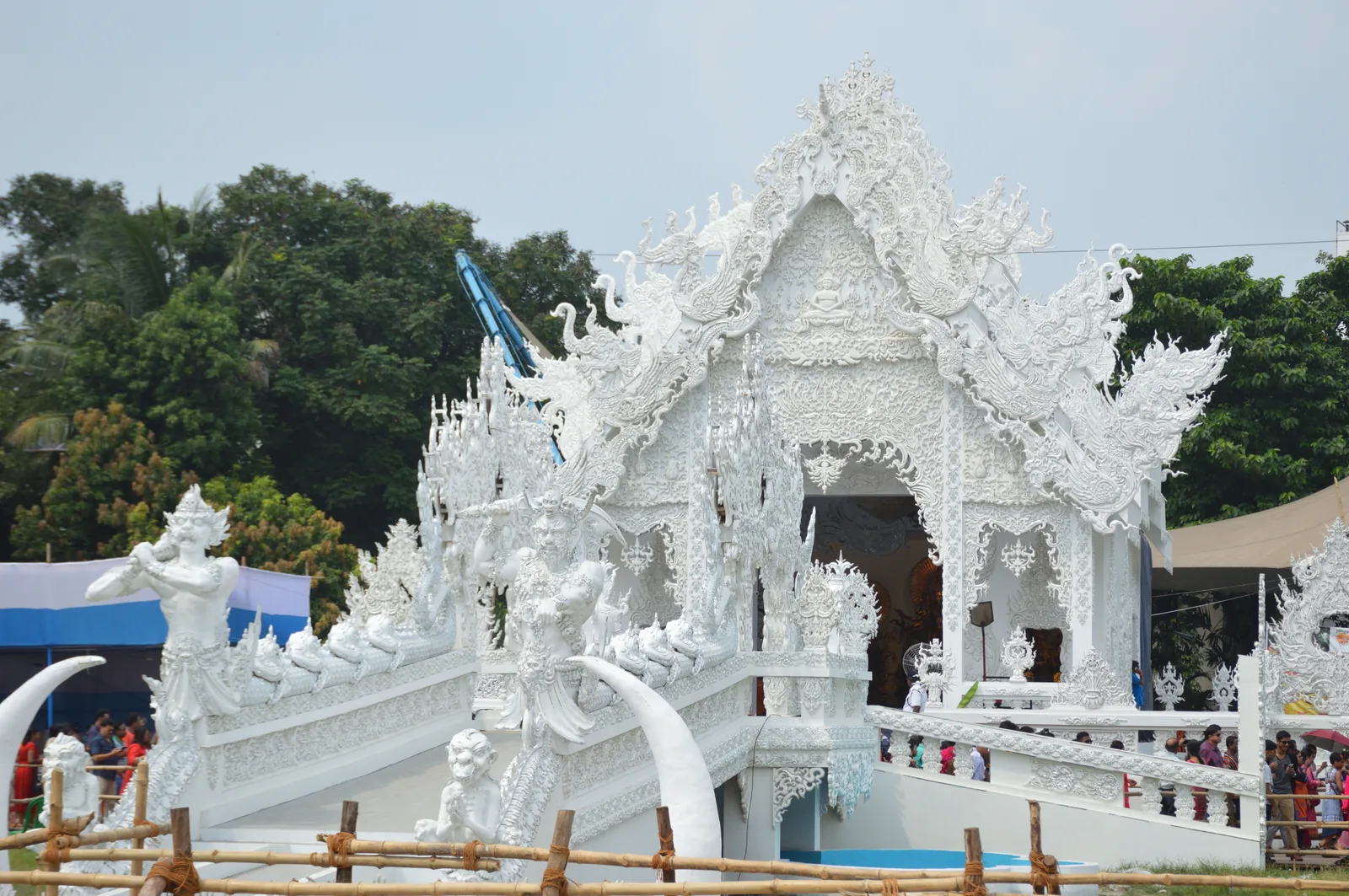
- Durga Puja in Kolkata — India, File 00703, 2021. The annual festival honoring the goddess Durga, centered on Kolkata (West Bengal), recognized as one of the world’s largest public art festivals. The 16.COM inscription documented how Kolkata’s Durga Puja has evolved from a domestic religious observance into a massive community celebration involving elaborately constructed temporary pandals (structures) housing extraordinary artistic installations, attracting more than 2.5 million visitors during the five-day festival.
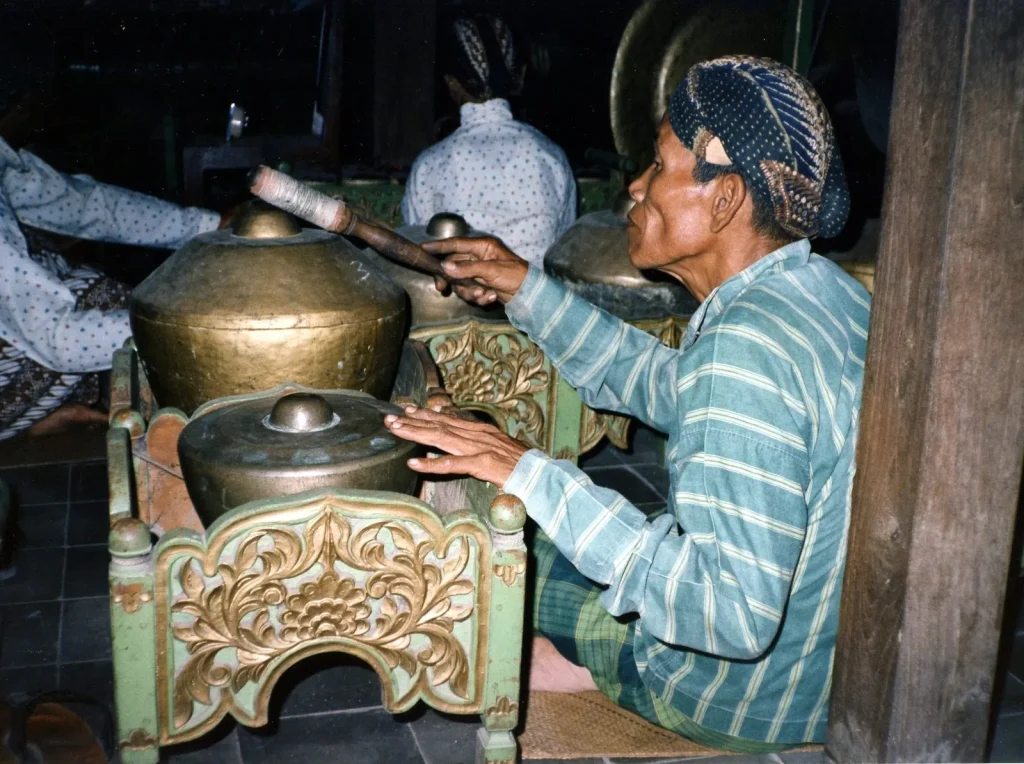
- Gamelan — Indonesia, File 01607, 2021. The traditional percussion orchestra of Java, Bali, and other Indonesian islands, in which bronze gong-chimes, metallophones, drums, flutes, and string instruments combine in interlocking melodic and rhythmic patterns. Gamelan is central to Indonesian ceremonial life — accompanying wayang puppet theater, court ceremonies, religious rituals, and celebrations — and has influenced 20th-century Western composers including Claude Debussy and John Cage. Indonesia’s second UNESCO ICH inscription (following batik in 2009).
- Xòe Dance of Tai People — Viet Nam, File 01615, 2021. The circular dance tradition of the Tai ethnic group communities of Điện Biên, Lai Châu, Sơn La, and Yên Bái provinces in northwestern Vietnam, in which participants form large circles and perform coordinated steps and arm movements. Xòe expresses community solidarity and is performed at all significant social occasions — weddings, New Year festivals, and community gatherings.
- Nora, Dance Drama in Southern Thailand — Thailand, File 01587, 2021. The expressive dance drama of southern Thailand’s communities, characterized by fast-paced footwork, curved finger extensions (lek), bird-wing costumes, and gilt headdresses. Nora integrates Hindu-Brahmin and indigenous animist traditions; practitioners undergo a formal initiation rite with a master teacher.
- Songket, the Weaving of Patterned Fabric — Malaysia, File 01573, 2021. The production of songket — the supplementary weft brocade weaving tradition using metallic gold and silver threads to create intricate patterns on silk or cotton fabric, practiced in the Malay communities of Terengganu and other states, used at weddings and royal ceremonies.
- Dumbara Ratā Kalāla — Sri Lanka, File 01618, 2021. The traditional weaving craft of the Kandy district (Dumbara Valley), producing a distinctive white-and-black or colored geometric textile used for ceremonial purposes, transmitted within specific communities through apprenticeship to master weavers.
- Al-Naoor, Traditional Water Wheel — Iraq, File 01620, 2021. The knowledge and practices associated with the noria (traditional water wheel) used in irrigation on the Euphrates in Iraq — the largest wooden water wheels surviving in active use in the Arab world, with designs traceable to the early Islamic period.
- Embroidery Art — Palestine, File 01619, 2021. The traditional embroidery practices of Palestinian women, including the distinctive cross-stitch patterns that encode regional identity, village origin, and marital status within garments, practiced as a community craft transmitted between generations of women.
- Al-Qudoud al-Halabiya — Syrian Arab Republic, File 01612, 2021. The musical poetry tradition of Aleppo (Halab) — classical muwashshah compositions set to sacred and secular texts, performed in Sufi and secular contexts as a living urban musical tradition of Syria’s oldest city.
- Fjiri, a Music Tradition — Bahrain, File 01622, 2021. The music and dance tradition of Bahrain’s pearl diving communities — a genre of working songs sung during the pearl fishing season that has been maintained as a cultural heritage practice after the collapse of the pearl industry.
- Hüsn-i Hat, Traditional Ottoman Calligraphy — Turkey, File 01599, 2021. The artistic tradition of Ottoman calligraphy in the Arabic script, encompassing the production and use of specialized tools (reed pens, ink, ruled paper), the training of calligraphers in classical styles (khat al-nastaliq, khat al-thuluth), and the ceremonial authorization of masters to train students.
- Dutar Music — Turkmenistan, File 01580, 2021. The art of performing on and crafting the dutar — a two-stringed long-necked lute that is the emblematic instrument of Turkmen musical culture, used for accompanying classical Turkmen poetry (dessanlar) and performed by bagşy (bards).
- Falak Songs — Tajikistan, File 01598, 2021. The lyrical song tradition of Tajikistan expressing themes of existential suffering, separation, longing for the divine, and the human condition — performed solo by a singer of any gender at intimate gatherings, with roots in Sufi poetry.
- Bakhshi Art — Uzbekistan, File 01579, 2021. The performing art of the Uzbek bakhshi — traditional bards who combine epic narrative singing, music (on the dutar or qobuz lute), healing ceremonies, and shamanic practice in performances transmitted through master-apprentice lineages.
- Sand, Land and Sea: Meriam Mir Cultural Expressions — Australia, File 01626, 2021. The intangible cultural heritage of the Meriam people of the Murray Islands (Mer, Daua, and Waier) in the eastern Torres Strait — a system of knowledge, songs, dances, and practices tied to the sea, land, and the Meriam Mir language.
- Inuit Artistic Expression — Denmark (Greenland), File 01608, 2021. The visual arts, crafts, and performative traditions of the Inuit communities of Greenland, encompassing drum dancing, katajjaq (throat singing), decorative arts, and the knowledge embedded in material culture production. Denmark’s first ICH inscription.
Arab States, Africa, and the Americas
- Arabic Calligraphy: Knowledge, Skills and Practices — Multinational (Algeria, Bahrain, Egypt, Iraq, Jordan, Kuwait, Lebanon, Mauritania, Morocco, Oman, Palestine, Saudi Arabia, Sudan, Tunisia, United Arab Emirates, Yemen), File 01718, 2021. The artistic practice of writing Arabic script in a style that emphasizes beauty and expressive form. The 16-country nomination was one of the largest multinational inscriptions in ICH history, recognizing Arabic calligraphy across multiple regional traditions — from Maghrebi to Naskh to Diwani styles — as a shared cultural heritage of Arabic-speaking communities worldwide.
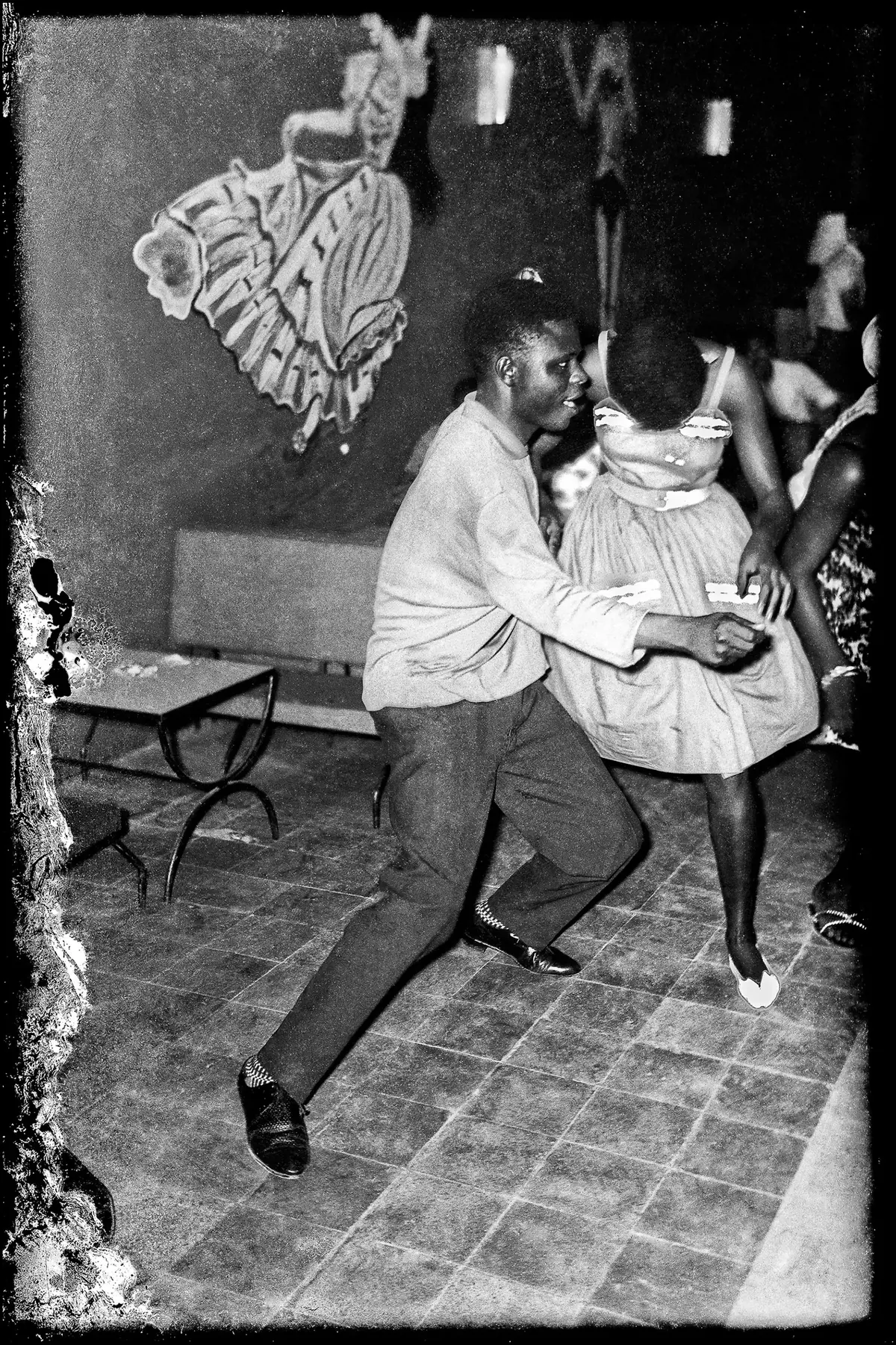
- Congolese Rumba — Congo (Brazzaville) and Democratic Republic of the Congo, 2021. The music and dance tradition that emerged in Kinshasa and Brazzaville in the 1930s–1940s from the encounter of Congolese rhythmic tradition with Cuban son and bolero. Congolese rumba became the dominant popular music of sub-Saharan Africa from the 1950s through the 1970s. The joint nomination by the two countries separated by the Congo River recognized a shared cultural heritage that predates the international border.
- Ceebu Jën — Senegal, File 01590, 2021. The knowledge and culinary practice of thiéboudienne (fish and rice) — Senegal’s national dish, consisting of stuffed fish cooked with vegetables in a tomato sauce over broken rice. Ceebu jën is the primary vehicle for intergenerational transmission of Senegalese culinary knowledge, prepared communally and shared from a common bowl.
- Joumou Soup — Haiti, File 01604, 2021. The Haitian pumpkin soup (bouyon joumou) consumed on January 1 in celebration of Haitian Independence Day (1804) — the date when enslaved Haitians won their freedom from France. Under French colonial rule, enslaved people were forbidden from eating this soup, reserved for the enslaver class. Haiti’s first ICH inscription.
- Tbourida, an Equestrian Tradition — Morocco, File 01591, 2021. The traditional Moroccan equestrian performance in which teams of horsemen charge in formation and fire muskets simultaneously — a theatrical performance of military horsemanship descended from the cavalry traditions of the Amazigh, Arab, and Saharan communities of Morocco.
- Moutya — Seychelles, File 01586, 2021. The music and dance tradition of the Seychelles islands that originated in the practices of enslaved Africans — a call-and-response song accompanied by goatskin drums, combining expressions of suffering, resistance, and community solidarity. Seychelles’ first ICH inscription.
- Pasillo — Ecuador, File 01617, 2021. The lyrical ballad tradition of Ecuador — a song form combining Andean rhythmic patterns with European melodic conventions, expressing themes of romantic love, nostalgia, and national sentiment, and serving as Ecuador’s de facto national music.
- Falconry, a Living Human Heritage — Multinational (24 countries including Austria, Belgium, Czech Republic, France, Germany, Hungary, Ireland, Italy, Kazakhstan, South Korea, Kyrgyzstan, Mongolia, Morocco, Netherlands, Pakistan, Poland, Portugal, Qatar, Saudi Arabia, Slovakia, Spain, Syria, UAE), 2021 extension. The 2021 session added additional countries to the existing Falconry multinational inscription (first inscribed 2010, extended 2012, 2016).
- Truffle Hunting and Extraction — Italy, File 01609, 2021. The knowledge, skills, and practices of searching for and harvesting truffles in central and northern Italy, including the training of truffle-hunting dogs, the ecological knowledge of truffle grounds, and the culinary traditions centered on truffle use.
Landmark 2021 Inscriptions: Durga Puja, Gamelan, Rumba, and Joumou
Among the 39 Representative List inscriptions at 16.COM, five stand out for their global scale, historical depth, or significance to the ICH system.
Durga Puja in Kolkata: Heritage as Public Art
The inscription of Durga Puja in Kolkata (File 00703) recognized a transformation unique in ICH history: a domestic religious practice that became, over the course of the 20th century, one of the world’s largest public art festivals. The festival’s pandals — temporary architectural structures housing artistic installations of goddess Durga — attract funding from neighborhood committees (pujas samiti) and corporate sponsors, with leading artists commissioned to create spectacular themed environments judged in citywide competitions. Over 45,000 pandals are constructed in Kolkata annually; the five-day festival transforms the entire city into an open-air museum drawing more than 2.5 million visitors. UNESCO’s inscription specifically documented this transformation from private household worship to community-sponsored public art as the living heritage practice.
Gamelan: Indonesia and the Global Musical Inheritance
Gamelan (File 01607) was Indonesia’s second UNESCO ICH inscription, following batik in 2009 — but the two traditions represent very different relationships to global culture. While batik has become a global fashion element, gamelan’s global influence operates primarily through music: the interlocking melodic patterns of Javanese and Balinese gamelan inspired 20th-century minimalist composers (Steve Reich, Philip Glass), influenced Claude Debussy’s harmonic language, and established non-Western tuning systems as legitimate elements of contemporary composition. The UNESCO inscription covered the full tradition: bronze-casting of instruments, performance practice, the social institutions of gamelan groups (sekehe in Bali, paguyuban in Java), and the ceremonial role of gamelan in wayang theater, court ritual, and temple festivals.
Congolese Rumba, Joumou, and Food as Freedom
The 2021 session’s most historically charged inscription was Haiti’s Joumou soup (File 01604): a dish that is literally a freedom meal. Under French colonial rule, enslaved Haitians were forbidden from eating this pumpkin soup, reserved for plantation owners. When Haiti won independence on January 1, 1804 — the first successful slave revolution in history — the formerly enslaved community ate joumou as an act of liberation. January 1 joumou remains a national ritual: a reminder that this soup was once a forbidden pleasure, now a communal affirmation of freedom. UNESCO’s inscription recognized not the soup but the cultural memory encoded in its preparation and consumption. Similarly, the Congolese rumba inscription recognized a music whose global spread encoded African urban identity: born in 1930s–40s Kinshasa and Brazzaville from the encounter of Congolese rhythm with Cuban son, rumba became the dominant soundtrack of sub-Saharan Africa’s urban century and the parent tradition of dozens of African popular music genres.
For the complete official database of all 2021 UNESCO ICH inscriptions with full nomination files and Committee decisions, ich.unesco.org/en/lists is the authoritative source. For the broader context of how the 2021 session fits within the history of the ICH system from 2008 to the present, the UNESCO intangible cultural heritage examples overview covers the global landmarks, and the UNESCO intangible cultural heritage overview traces the full 2003 Convention framework.
Frequently Asked Questions
What was inscribed on the UNESCO intangible cultural heritage list in 2021?
At the 16th session of the Intergovernmental Committee (16.COM) in December 2021, UNESCO inscribed 39 elements on the Representative List of the Intangible Cultural Heritage of Humanity. Notable inscriptions included Durga Puja in Kolkata (India, File 00703), Gamelan (Indonesia, File 01607), Arabic Calligraphy (16 countries, File 01718), Joumou soup (Haiti, File 01604), Congolese rumba (Congo and DRC), and Ceebu jën (Senegal, File 01590). The session also added 4 elements to the Urgent Safeguarding List and approved 3 Good Safeguarding Practices programmes.
How many countries received their first UNESCO ICH inscription in 2021?
Nine countries received their first UNESCO ICH inscription at the 16th session (16.COM) in December 2021: Congo, Denmark, Haiti, Iceland, the Federated States of Micronesia, Montenegro, the Democratic Republic of the Congo, Seychelles, and Timor-Leste. Following 16.COM, the Representative List stood at 630 elements from 140 countries.
Was the 2021 UNESCO ICH Committee session held in person or virtually?
The 16th session of the Intergovernmental Committee for the Safeguarding of the Intangible Cultural Heritage (16.COM), held December 13–18, 2021, was conducted entirely as a virtual session — the only ICH Committee meeting held fully online. The virtual format was necessitated by COVID-19 travel and gathering restrictions. Despite being remote, the session was highly productive, inscribing 46 total new entries across all three lists.
Why was the inscription of Joumou soup historically significant?
Haiti’s Joumou soup (File 01604) inscription was historically significant because the dish carries an explicit freedom narrative: under French colonial rule, enslaved Haitians were forbidden from eating this pumpkin soup, which was reserved for plantation owners. When Haiti became the first nation born from a successful slave revolution on January 1, 1804, the formerly enslaved population ate joumou as an act of liberation. The annual January 1 joumou ritual encodes this memory of resistance and freedom. UNESCO’s inscription recognized the cultural memory embedded in the soup’s preparation and communal consumption — not merely the recipe. It was also Haiti’s first-ever ICH inscription.
How many countries jointly inscribed Arabic calligraphy at 16.COM in 2021?
Arabic calligraphy was inscribed at 16.COM in 2021 as a joint nomination by 16 countries: Algeria, Bahrain, Egypt, Iraq, Jordan, Kuwait, Lebanon, Mauritania, Morocco, Oman, Palestine, Saudi Arabia, Sudan, Tunisia, the United Arab Emirates, and Yemen (File 01718). This was one of the largest multinational ICH nominations in the history of the Convention, recognizing Arabic calligraphy’s diverse regional traditions — from Maghrebi to Naskh to Diwani styles — as a shared heritage of Arabic-speaking communities worldwide.