Flamenco UNESCO Intangible Cultural Heritage: The 2010 Inscription Explained
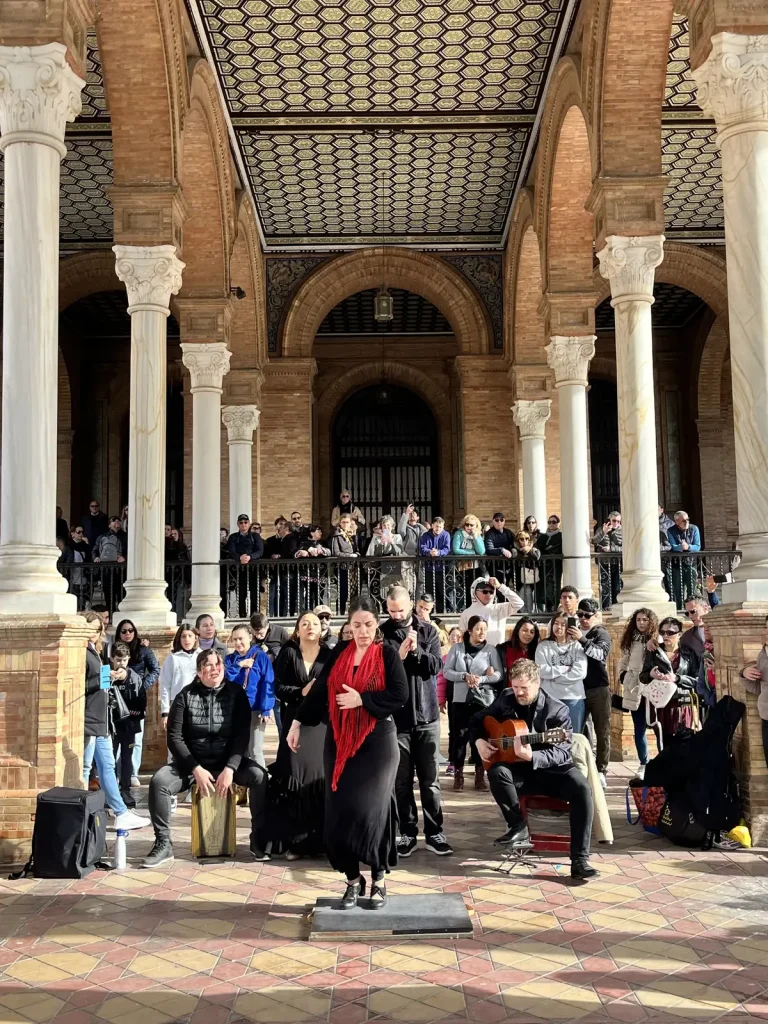
On November 16, 2010, the fifth session of UNESCO’s Intergovernmental Committee for the Safeguarding of Intangible Cultural Heritage — meeting in Nairobi, Kenya — formally inscribed flamenco on the Representative List of the Intangible Cultural Heritage of Humanity. The decision recognized flamenco not simply as a dance form but as a living ensemble of song, movement, and guitar artistry that had evolved across Andalusia over more than two centuries — shaped principally by the Romani (gitano) community and expressing, in the words of the UNESCO documentation, “a wide range of situations ranging from sadness to joy.” As of 2025, flamenco holds UNESCO inscription number 00363, and its global reach — from Seville tablaos to graduate programs in New Mexico and conservatory courses in Rotterdam — testifies to a tradition that far exceeded its Andalusian birthplace.
- Flamenco was inscribed on UNESCO’s Representative List on November 16, 2010, at the 5th session of the Intergovernmental Committee (5.COM), with Nomination File No. 00363.
- UNESCO recognizes three core elements: cante (song), baile (dance), and toque (guitar) — plus supporting elements palmas and zapateado.
- The Romani (gitano) community played a central role in flamenco’s development; transmission occurs through families, dynasties, and peñas (flamenco clubs).
- Flamenco has over 50 recognized palos (styles), including soleá, seguiriyas, bulerías, and alegrías, each with a distinct rhythmic and emotional character.
- The oldest documented reference to flamenco is in a 1774 book by José Cadalso; the first professional café cantante opened in Seville in 1881.
The 2010 UNESCO Inscription: What the Designation Protects and Why
The 2010 UNESCO inscription of flamenco resolved a long-standing question about the art form’s status: did it belong to one community, one region, or all of Spain? The inscription’s framing — emphasizing Andalusian roots while acknowledging global spread — and its focus on the Romani community’s foundational role produced a designation that was simultaneously specific and broad. Understanding what UNESCO protects requires looking carefully at the file, because the designation covers more than most people assume.
What the 2010 5.COM Decision Covered
The 5.COM 6.39 decision inscribed flamenco as a Spanish nomination under the performing arts domain of the 2003 Convention. The inscription identifies three interconnected artistic elements as the core of what is being protected:
- Cante (song): the vocal expression at the emotional heart of flamenco, performed seated, conveying “grief, joy, tragedy, rejoicing and fear” through brief, intense lyrics. UNESCO notes that cante is considered by flamenco communities to be the most profound element — the expressive root from which dance and guitar originally developed
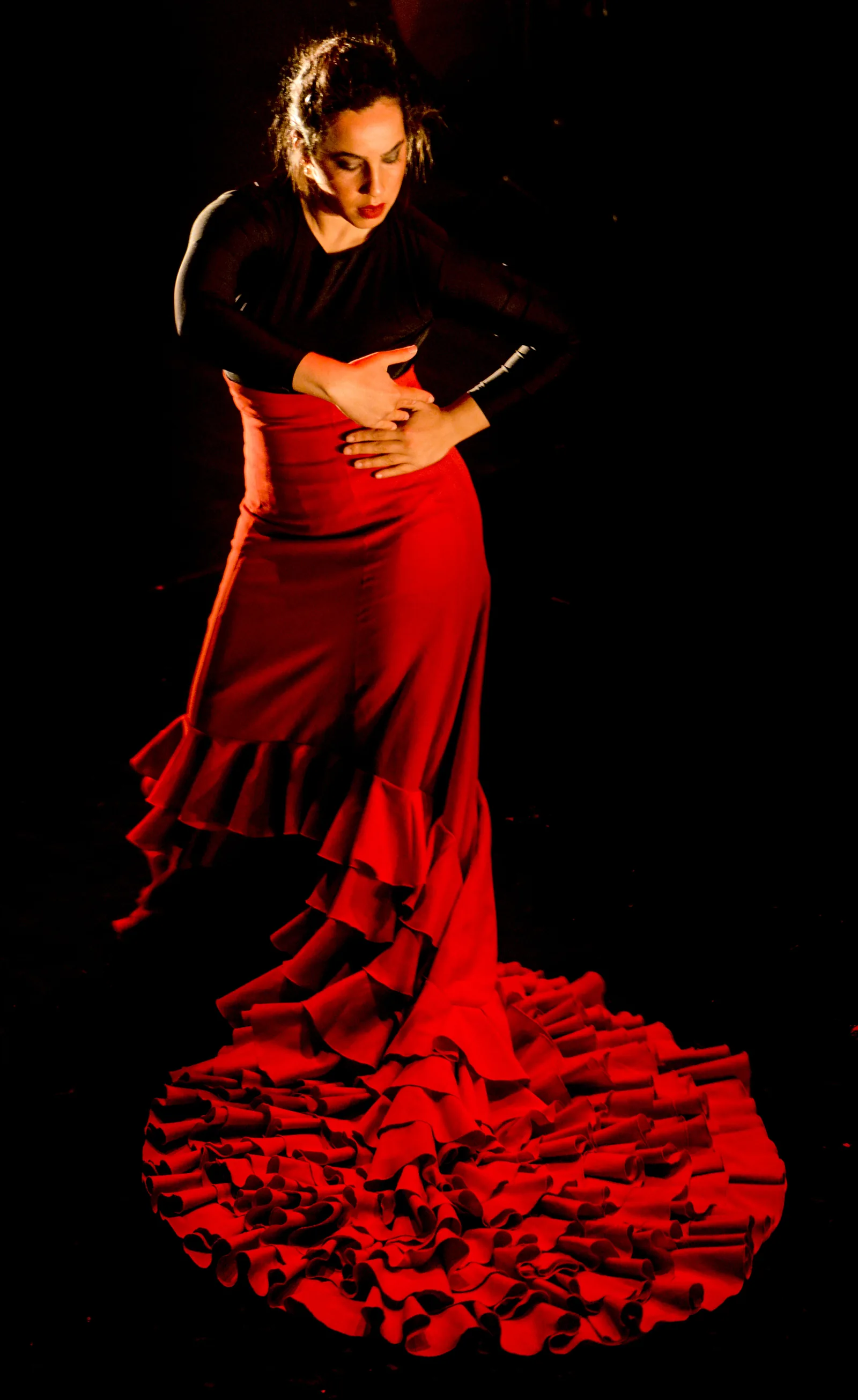
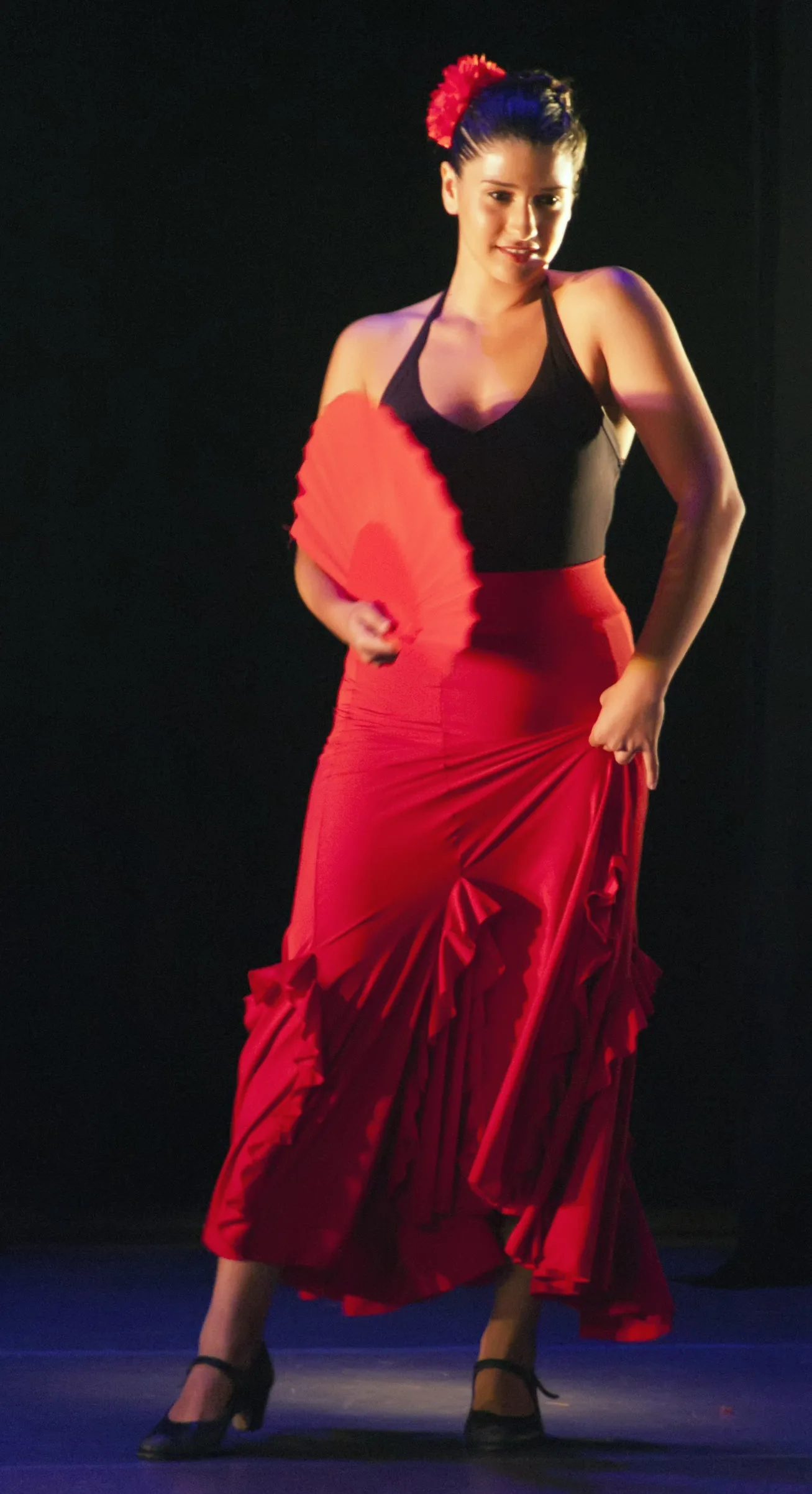
- Baile (dance): characterized by “emotional intensity, proud carriage, expressive use of the arms and rhythmic stamping” — with traditional distinctions between heavier footwork for male dancers and more fluid arm movement for female dancers, though contemporary flamenco has increasingly blurred these lines
- Toque (guitar): guitar artistry that evolved beyond its original accompaniment function to become an independent expressive vehicle, using the Phrygian mode and microtonality alongside a distinctive 12-beat rhythmic cycle (compás) found nowhere else in Western music
In addition to these three core elements, the inscription covers palmas (rhythmic hand clapping) and zapateado (percussive footwork), which function as both accompaniment and performance in their own right. UNESCO’s documentation emphasizes that flamenco “serves as the badge of identity of numerous communities and groups” and appears in contexts from religious festivals and church ceremonies to private celebrations — reflecting the tradition’s embeddedness across multiple registers of Andalusian social life.
The Romani Community’s Central Role in the Inscription
One of the most significant aspects of the 2010 inscription is its explicit recognition of the gitano (Romani) community’s foundational contribution to flamenco’s development. UNESCO’s file states that the Romani community “played an essential role” — not merely a contributing one — in shaping the tradition. This acknowledgment was important both historically and politically: it recognized a marginalized community’s creative legacy as the essential substrate of a global art form.
Transmission of flamenco within the inscription’s framework occurs through dynasties, families, social groups, and flamenco clubs (peñas flamenco). The peña model — local clubs where practitioners gather informally to perform, teach, and pass on knowledge — is specifically mentioned as a safeguarding mechanism. The inscription thus protects not just the art form but the social structures through which it is reproduced: family apprenticeship, community performance, and the informal economies of the tablao and peña circuit.
Flamenco’s 50+ Palos: The Variety Within the Single Inscription
A single UNESCO inscription covers an art form of extraordinary internal variety. Flamenco has more than 50 recognized palos (styles), each with distinct rhythmic structures, emotional registers, and performance conventions. The principal palos include:
- Soleá: considered the mother form of deep flamenco, in 12-beat compás, solemn and meditative
- Seguiriyas: among the most emotionally demanding forms, expressing profound grief and anguish
- Bulerías: fast, festive, rhythmically complex — often used as a showcase for improvisation
- Alegrías: upbeat and celebratory, associated with the port culture of Cádiz
- Tangos: a lively, percussive form distinct from the Argentine tango despite sharing a name
- Fandangos: among the oldest forms, with origins possibly predating the flamenco synthesis
This variety within the inscription is significant for safeguarding: UNESCO’s framework asks signatories to ensure transmission continues for the inscribed element. When an inscription covers 50+ distinct styles, the safeguarding obligation extends to each of them — including the endangered deep forms (cante jondo) that are less commercially viable than the more accessible festive styles.
Flamenco’s Origins and Global Reach: From 1774 to the Rotterdam Conservatory
The 2010 inscription placed flamenco in the company of other performing arts traditions on UNESCO’s lists, but it also documented an art form with an unusually well-traced historical arc — from its first documented mention in the late 18th century through the emergence of professional performance venues in the 19th century to its contemporary status as a globally studied discipline.
From 1774 to the Café Cantante: The Documented Origins
The oldest documented reference to flamenco appears in a 1774 work by José Cadalso — placing the earliest textual evidence firmly in the late Enlightenment period, though the oral and performance roots clearly predate any written record. Flamenco emerged from the convergence of three cultural streams in Andalusia: the Romani (gitano) musical tradition, the indigenous Andalusian folk music, and the legacy of Moorish musical culture from the era of Al-Andalus.
The professional performance era began in 1881, when Silverio Franconetti opened the first café cantante in Seville — venues specifically designed for paid flamenco performance. The café cantante period (1881–approximately 1910) was the crucible in which flamenco’s stylistic vocabulary was standardized and its major palos defined. This professional infrastructure transformed flamenco from an intimate community practice to a commercially viable performance art, setting the conditions for its eventual global spread.
Flamenco’s geographic heartland remains the three southern Spanish provinces with the strongest historical ties to the tradition: Jerez de la Frontera (particularly associated with siguiriyas and bulerías), Seville (the institutional capital, home to the Bienal de Flamenco festival), and Cádiz (source of alegrías and the tangos). These three cities continue to anchor flamenco’s living ecosystem of teachers, performers, and families for whom the art is a multi-generational practice.
Flamenco Beyond Spain: Global Transmission and the Rotterdam Conservatory
UNESCO’s inscription implicitly acknowledged what had already happened: by 2010, flamenco was no longer exclusively Spanish heritage. The global spread of flamenco — through Spanish diaspora communities, the touring tablao circuit, and academic study — created practicing communities far from Andalusia who contributed to the tradition’s development.
Among the most striking indicators of this internationalization: the Rotterdam Conservatory in the Netherlands introduced a regulated flamenco studies program in 1985, a quarter-century before the UNESCO inscription. By the time of the inscription, the University of New Mexico in the United States was offering graduate-level flamenco programs — reflecting a tradition whose transmission had become institutionalized outside its country of origin.
Flamenco’s international institutionalization also created a paradox of preservation. The most commercially successful forms — flashy stage productions for tourist audiences — can diverge substantially from the intimate, family-transmitted cante jondo that UNESCO’s inscription was primarily designed to protect. Spain’s periodic reporting obligations to UNESCO (required under the 2003 Convention) specifically track whether transmission of the deeper, less commercially visible forms is being maintained alongside the globally visible performance circuit.
This global reach complicated the inscription’s framing. The 2003 Convention’s primary mechanism for protecting ICH is the national nomination: Spain submitted and holds the flamenco inscription. But the practice communities outside Spain — particularly in Japan, where hundreds of flamenco studios exist, and in Latin America, where regional flamenco styles have emerged — are not party to Spain’s safeguarding obligations. The inscription covers the tradition; the safeguarding obligations follow the nominating state. For the full context of how this inscription fits within UNESCO’s broader intangible heritage framework — including the 2003 Convention that created the Representative List — the ich.unesco.org database provides the official nomination file and all related Committee decisions.
Frequently Asked Questions
When was flamenco added to UNESCO’s intangible cultural heritage list?
Flamenco was inscribed on UNESCO’s Representative List of the Intangible Cultural Heritage of Humanity on November 16, 2010, at the 5th session of the Intergovernmental Committee (5.COM 6.39) in Nairobi, Kenya. It holds Nomination File No. 00363.
What elements of flamenco does UNESCO protect?
UNESCO’s inscription covers three core elements — cante (song), baile (dance), and toque (guitar playing) — plus supporting elements palmas (hand clapping) and zapateado (percussive footwork). The inscription also recognizes the social structures of transmission: families, dynasties, and flamenco clubs (peñas).
What role did the Romani (gitano) community play in flamenco?
UNESCO’s inscription explicitly states that the Romani (gitano) community “played an essential role” in flamenco’s development. The Romani community’s musical traditions were foundational to the synthesis that produced flamenco in late 18th-century Andalusia, and gitano families remain central to its transmission.
How many styles (palos) of flamenco exist?
Flamenco has over 50 recognized palos (styles), each with distinct rhythmic structures and emotional registers. Major palos include soleá, seguiriyas, bulerías, alegrías, tangos, and fandangos. The 12-beat rhythmic cycle (compás) found in many palos is unique to flamenco and found nowhere else in Western music.
Is flamenco only Spanish heritage under UNESCO’s designation?
The UNESCO inscription is a Spanish national nomination, so Spain holds the safeguarding obligations. However, flamenco communities exist worldwide — with regulated study programs at the Rotterdam Conservatory (since 1985) and the University of New Mexico. UNESCO’s designation covers the tradition; Spain’s reporting obligations apply to its domestic transmission.