Colombia UNESCO Intangible Cultural Heritage: Complete List of 15 Elements
Colombia’s UNESCO intangible cultural heritage comprises 15 elements — 11 on the Representative List, 3 on the Urgent Safeguarding List, and 1 on the Register of Good Safeguarding Practices. The portfolio encompasses the largest carnival in Latin America (Carnival of Barranquilla), the cultural space of the first free Afro-American town in the Americas (Palenque de San Basilio), Amazonian shamanic knowledge (Yuruparí), the iconic coastal music genre on the Urgent Safeguarding List (Vallenato), an Afro-Colombian and Ecuadorian Pacific marimba tradition, an Indigenous governance system (Wayuu normative system), and recent inscriptions including ancestral knowledge of four Sierra Nevada peoples and midwifery knowledge. Colombia ratified the 2003 Convention for the Safeguarding of the Intangible Cultural Heritage on 19 March 2008. Its first inscriptions came at the 3rd session in 2008: the Carnival of Barranquilla (originally proclaimed a Masterpiece in 2003) and the Cultural space of Palenque de San Basilio (originally proclaimed a Masterpiece in 2005). For the complete official record, ich.unesco.org/en/state/colombia-CO is the authoritative source.
- Colombia has 15 UNESCO ICH elements as of 2025 — 11 on the Representative List, 3 on the Urgent Safeguarding List, and 1 on the Register of Good Safeguarding Practices. Colombia ratified the 2003 Convention on 19 March 2008.
- Colombia’s first inscriptions (2008, 3rd session) were the Carnival of Barranquilla (originally Masterpiece 2003) — the largest carnival in Latin America, inscribed as a UNESCO Masterpiece for its mestizo, Afro-Colombian, and Indigenous cultural fusion — and the Cultural space of Palenque de San Basilio (originally Masterpiece 2005), the linguistic and cultural heritage of the first legally free Afro-American community in the Americas.
- Traditional Vallenato music (Urgent Safeguarding List, 10.COM, 2015) — the Colombian music genre originating in the Greater Magdalena region combining accordion, caja drum, and guacharaca scraper — is Colombia’s most internationally recognized UNESCO ICH, inscribed on the Urgent Safeguarding List due to commercial pressures threatening its traditional transmission and authentic form.
- Colombia holds three Urgent Safeguarding List inscriptions: Vallenato (2015), Colombian-Venezuelan llano work songs (2017, joint with Venezuela), and Traditional knowledge and techniques associated with Pasto Varnish mopa-mopa (2020).
- Colombia’s most recent inscription is Living pictures of Galeras, Sucre (Representative List, 19.COM, 2024) — the living tableau tradition of the municipality of Galeras in Sucre department.
Carnival of Barranquilla, Palenque de San Basilio, and Colombia’s UNESCO ICH Inscriptions (2008–2012)
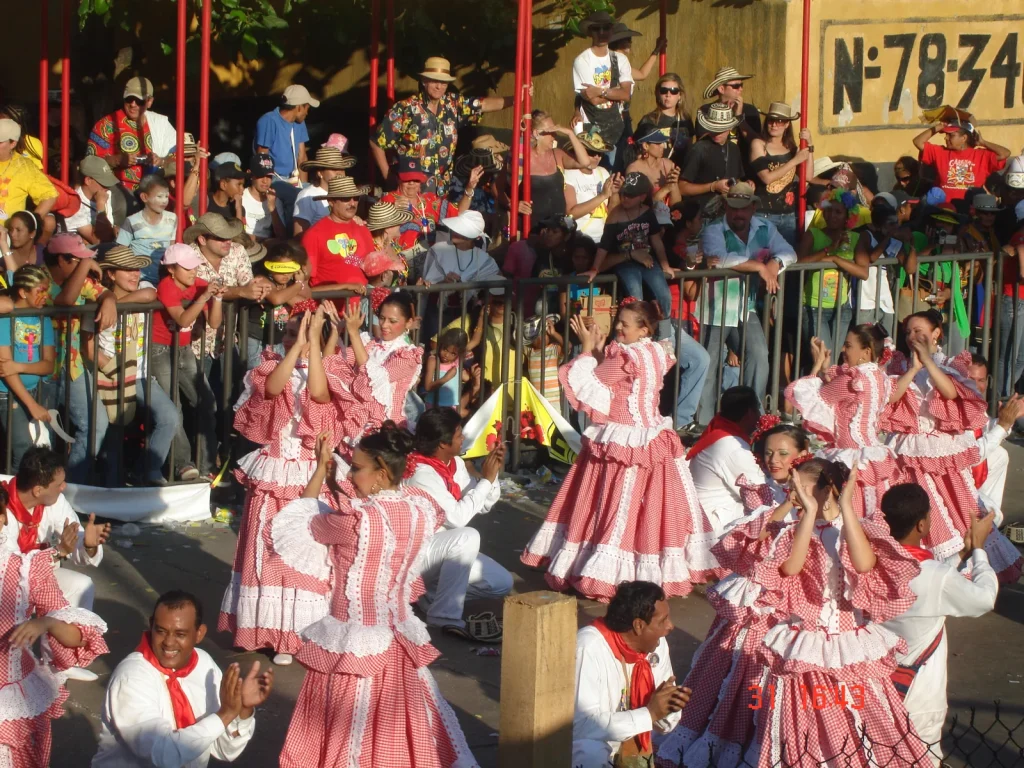
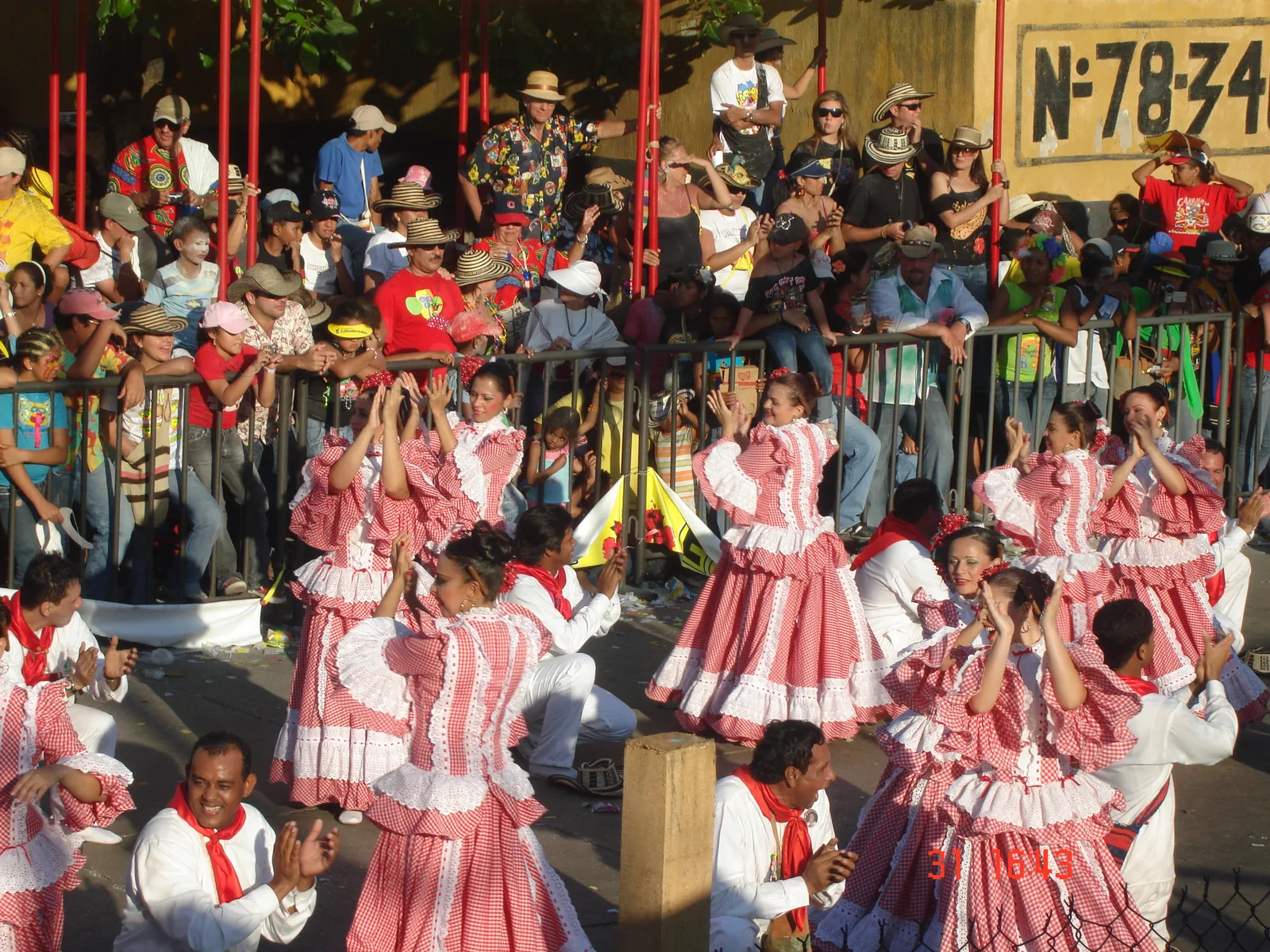
The Carnival of Barranquilla (Representative List, 3.COM, 2008; Masterpiece 2003) is Colombia’s most internationally celebrated UNESCO ICH element — the four-day carnival held annually in February in the Caribbean city of Barranquilla, considered the largest carnival in Latin America after Rio de Janeiro. The Carnival brings together over 1,500 performance groups in the Battle of Flowers parade, featuring dances of Indigenous (Amerindian), African, and Spanish colonial origin — including the cumbia (circle dance combining Indigenous flute with African percussion), the mapalé (fast acrobatic African-derived dance), the congo (satirical theatrical dance), and the puya — performed by masked comparsa groups, brass banda bands, and folk music ensembles in an event that UNESCO recognized as one of the most significant expressions of Latin American cultural syncretism. The Cultural space of Palenque de San Basilio (Representative List, 3.COM, 2008; Masterpiece 2005) recognized the language, music, medicine, and social practices of the village of San Basilio de Palenque — founded in the early 17th century by Benkos Biohó, an escaped enslaved African, as the first legally recognized free settlement of African origin in the Americas. The Palenquero language — the only Spanish-based creole in South America, mixing Spanish with Bantu languages — is maintained by the community alongside a distinctive oral literary tradition, the lumbalú funeral ceremony, and the Afro-Colombian women’s hair braiding culture that carries encoded geographical information. The Holy Week Processions in Popayán (Representative List, 4.COM, 2009) recognized the 450-year-old nightly processions of the city of Popayán during Holy Week, in which religious brotherhoods (hermandades) carry gilded floats bearing colonial-era sculptures through the city’s historic streets — a tradition combining Spanish colonial Catholic ceremony with local Andean community practices. The Carnival of Blacks and Whites in Pasto (Representative List, 4.COM, 2009) — Carnaval de Negros y Blancos — recognized the January 5-6 celebrations in the city of Pasto in Nariño, where participants paint each other black with coal and white with talcum powder in a ritual of equality-through-play rooted in a tradition originating in the colonial suppression of an enslaved workers’ uprising, now performed across ethnic lines as a symbol of social harmony.
The Wayuu normative system, Palabrero (Representative List, 5.COM, 2010) recognized the traditional conflict resolution and governance system of the Wayuu people of the Guajira Peninsula — the largest Indigenous people of Colombia — in which the Palabrero (a traditional mediator of great moral authority) arbitrates disputes, negotiates compensation, and restores relational balance between clans through a structured process of dialogue, feast, and symbolic payment (payable in livestock, blankets, or beads) in a system that has operated continuously for centuries as the primary legal institution of Wayuu society. Traditional knowledge of the jaguar shamans of Yuruparí (Representative List, 6.COM, 2011) recognized the sacred oral and ceremonial knowledge of the Indigenous peoples of the Middle Caquetá and Upper Pirá Paraná river systems in the Colombian Amazon — a complex shamanistic system in which the Yuruparí sacred flutes and the corpus of songs, chants, and oral narratives transmitted exclusively among initiated men encode cosmological knowledge of human origin, ecological protocols, and ceremonial governance. The Festival of Saint Francis of Assisi in Quibdó (Representative List, 7.COM, 2012) recognized the 21-day community festival of the Chocó regional capital — combining Catholic veneration of Saint Francis with African-derived music (chirimía brass ensembles), communal dance, processions, and the distinctive expression of Afro-Colombian Pacific coast cultural identity in a festival in which the entire community participates regardless of social status. For context on UNESCO’s ICH framework, the UNESCO intangible cultural heritage overview explains the 2003 Convention structure.
Vallenato, Marimba Music, and Colombia’s Recent UNESCO ICH Inscriptions (2015–2024)
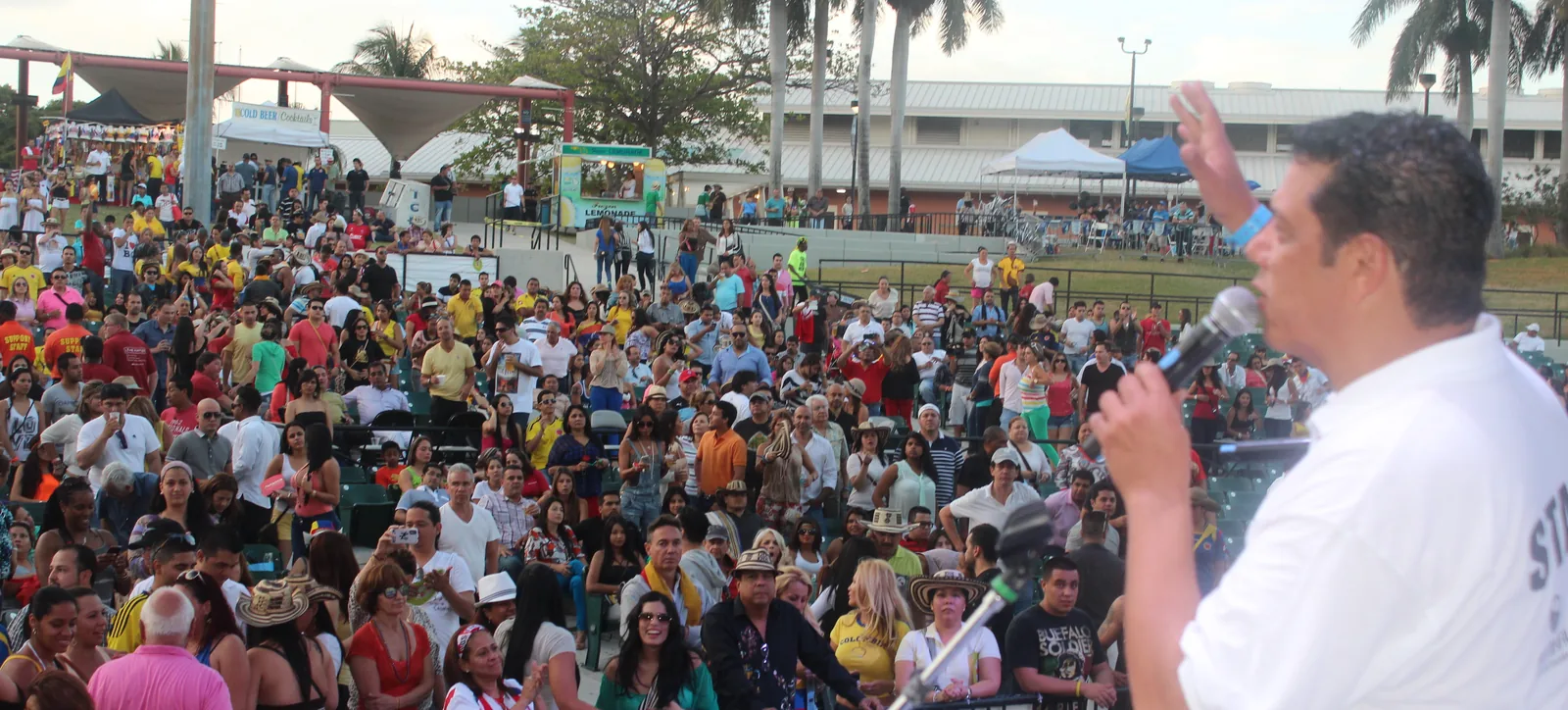
At the 10th session in 2015, Colombia received two inscriptions. Traditional Vallenato music of the Greater Magdalena region (Urgent Safeguarding List, 10.COM, 2015) recognized the Colombian music genre originating in the Caribbean lowlands of the Greater Magdalena region — a genre built on the combination of the diatonic button accordion (introduced by German immigrants in the 19th century), the caja (small double-headed drum), and the guacharaca (ridged gourd scraper), producing a four-beat rhythmic pattern that supports improvised lyrical songs (the canto) about love, migration, and daily life in vallenato culture; UNESCO inscribed it on the Urgent Safeguarding List specifically because commercial popularity had prompted a dilution of the traditional musical and lyrical forms, threatening the authentic oral transmission of the four canonical vallenato rhythms (paseo, son, merengue, and puya). Marimba music and traditional chants and dances from the Colombian and Ecuadorian South Pacific region (Representative List, 10.COM, 2015) — jointly inscribed with Ecuador — recognized the woodblock percussion and vocal tradition of the Afro-descendant communities of the Pacific coastal rainforest: the marimba de chonta (a chromatic xylophone struck with rubber-tipped mallets), played alongside cununos (conical drums) and bombos, while women vocalists (cantadoras) lead call-and-response chant cycles, performing at birth ceremonies (chigualo), wakes (alabao), and healing rituals (currulao) that sustain collective Afro-Pacific community identity. Colombian-Venezuelan llano work songs (Urgent Safeguarding List, 12.COM, 2017) — jointly inscribed with Venezuela — recognized the cattle-work songs (joropo) of the Orinoco Plains cowboys (llaneros) of both countries, sung a cappella while driving herds and during pastoral ceremonies, with a repertoire of cantos de vaquería encoding knowledge of animal behavior, cattle routes, and working culture in a tradition practiced by fewer practitioners each decade as pastoral economies modernize. Traditional knowledge and techniques associated with Pasto Varnish mopa-mopa (Urgent Safeguarding List, 17.COM, 2020) recognized the decorative lacquer technique of the Quillasinga Indigenous artisans of the Putumayo and Nariño regions — in which thin sheets of chewed resin (from the mopa-mopa plant, Elaeagia pastoensis) are colored with natural pigments and applied over wooden objects in intricate geometric designs; fewer than 30 families possess the complete knowledge chain from forest harvesting through application.
At the 17th session in 2022, Colombia received the inscription of Ancestral system of knowledge of the four indigenous peoples of the Sierra Nevada de Santa Marta (Representative List, 17.COM, 2022) — jointly inscribed for the Arhuaco, Kankuamo, Kogui, and Wiwa peoples — recognizing their shared cosmological system of governance, environmental stewardship, and spiritual knowledge centered on the concept of the Sierra Nevada de Santa Marta as the “Heart of the World” and the role of mamos (spiritual leaders) in maintaining universal and ecological balance through ceremonial dialogues (pagamentos) with nature. At the 18th session in 2023, Colombia received the inscription of Midwifery: knowledge, skills and practices (Representative List, 18.COM, 2023), recognizing the traditional birth-attending knowledge of partera (midwife) communities, particularly in Afro-Colombian Pacific coast and Indigenous communities, encompassing the use of medicinal plants, massage techniques, and oral knowledge of prenatal and postnatal care transmitted through apprenticeship. Colombia’s most recent inscription is the Living pictures of Galeras, Sucre (Representative List, 19.COM, 2024). With 15 UNESCO ICH inscriptions, Colombia holds one of the most extensive portfolios in Latin America, reflecting the country’s extraordinary multicultural heritage: Indigenous Amazonian and Andean peoples, Afro-Colombian Caribbean and Pacific communities, and the living traditions of regional cultural syncretism from the colonial period. For the full comparative list, the full UNESCO ICH list covers all global elements.
Frequently Asked Questions
How many UNESCO intangible cultural heritage elements does Colombia have?
Colombia has 15 elements on UNESCO’s intangible cultural heritage lists as of 2025 — 11 on the Representative List, 3 on the Urgent Safeguarding List (Vallenato, 2015; Colombian-Venezuelan llano songs, 2017, joint Venezuela; Pasto Varnish mopa-mopa, 2020), and 1 on the Register of Good Safeguarding Practices (safeguarding crafts for peace, 2019). Colombia ratified the 2003 Convention on March 19, 2008. The most recent inscription is Living pictures of Galeras, Sucre (2024, 19th session).
What was Colombia’s first UNESCO intangible cultural heritage?
Colombia’s first UNESCO ICH inscriptions at the 3rd session in 2008 were: the Carnival of Barranquilla (originally proclaimed a UNESCO Masterpiece of Oral Heritage in 2003), recognized as the largest carnival in Latin America and a fusion of Indigenous, African, and Spanish cultural traditions; and the Cultural space of Palenque de San Basilio (originally Masterpiece 2005), the linguistic and cultural heritage of the first legally recognized free Afro-American settlement in the Americas.
Is Vallenato a UNESCO intangible cultural heritage?
Yes. Traditional Vallenato music of the Greater Magdalena region is inscribed on UNESCO’s Urgent Safeguarding List (10th session, 2015). UNESCO recognized the genre’s accordion, caja drum, and guacharaca combination and the four canonical vallenato rhythms (paseo, son, merengue, puya), while inscribing it on the Urgent Safeguarding List because commercial pressures were threatening the oral transmission of authentic traditional forms.
Is the Wayuu people’s normative system a UNESCO intangible cultural heritage?
Yes. The Wayuu normative system, Palabrero — the traditional conflict resolution system of the Wayuu people of the Guajira Peninsula — is inscribed on UNESCO’s Representative List (5th session, 2010). UNESCO recognized the Palabrero mediator’s role in resolving inter-clan disputes through structured dialogue, symbolic compensation, and communal feasting, as a continuously functioning Indigenous legal institution of the largest Indigenous people of Colombia.
What is Colombia’s most recent UNESCO ICH inscription?
Colombia’s most recent UNESCO ICH inscription is Living pictures of Galeras, Sucre — inscribed at the 19th session of the Intergovernmental Committee in Asunción (December 2024). Earlier 2024 and recent inscriptions include the Ancestral system of knowledge of the four indigenous peoples of the Sierra Nevada de Santa Marta (2022) and Midwifery knowledge, skills and practices (2023).