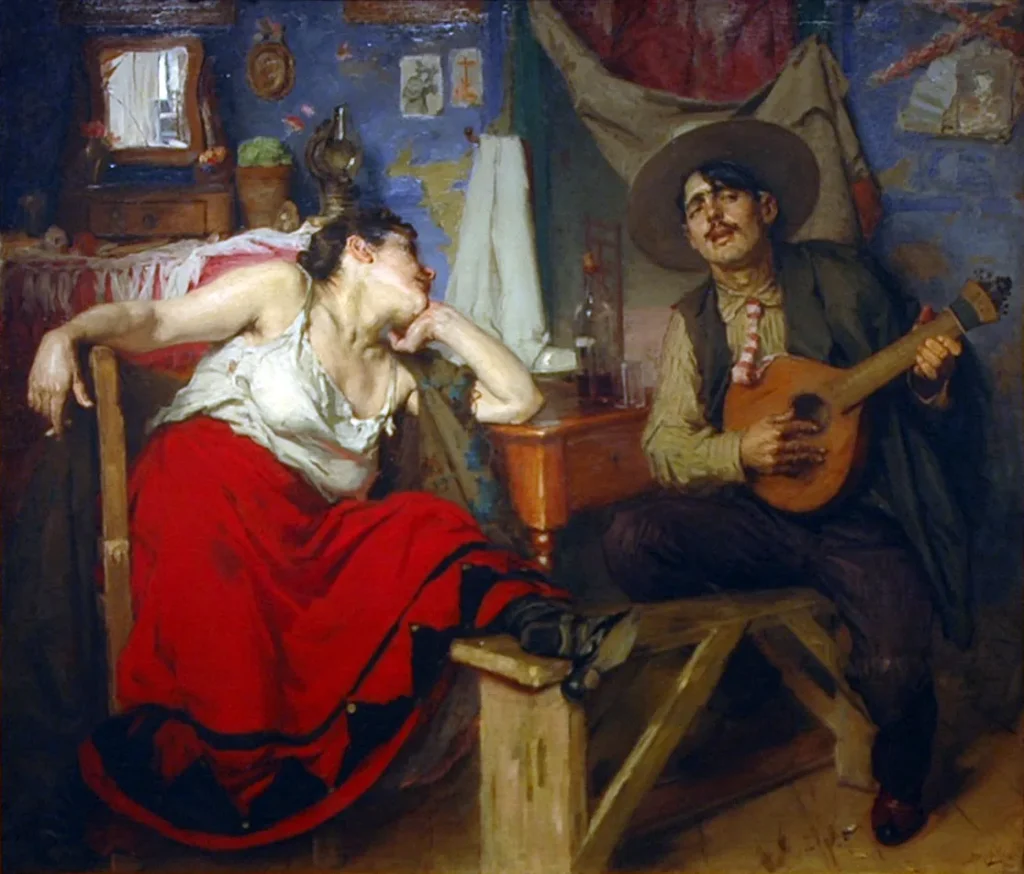
Fado UNESCO Intangible Cultural Heritage: 2011 Inscription, Portuguese Guitar, and Saudade
Fado was inscribed on UNESCO’s Representative List of the Intangible Cultural Heritage of Humanity on November 27, 2011, at the sixth session of the Intergovernmental Committee for the Safeguarding of the Intangible Cultural Heritage (6.COM), held in Bali, Indonesia. The inscription was approved under Decision 6.COM 13.39 and assigned UNESCO File No. 00563. Portugal is the sole nominating country; the element’s official name on the Representative List is “Fado, urban popular song of Portugal.” The 6.COM session in Bali (22–29 November 2011) approved fado unanimously. With this inscription, UNESCO recognized fado as an integrated practice encompassing music, poetry, and the social spaces — the Lisbon fado houses and amateur associations — through which it is transmitted.
- Fado was inscribed on November 27, 2011 at the 6th Committee session (6.COM) in Bali, Indonesia, under Decision 6.COM 13.39, as File No. 00563.
- Portugal is the sole nominating country; the official title on the Representative List is “Fado, urban popular song of Portugal.”
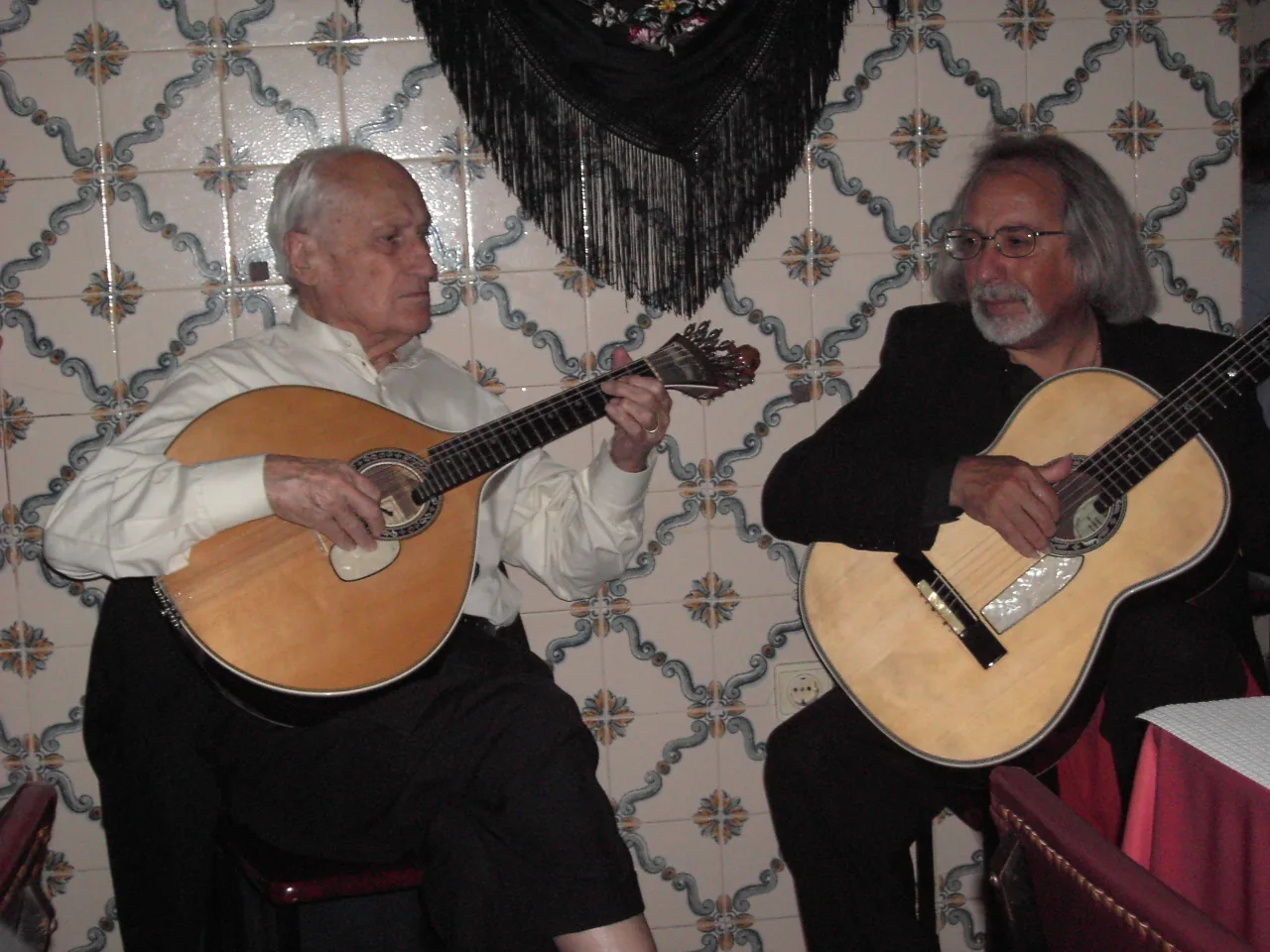
- UNESCO’s designation covers music and poetry together, with the guitarra portuguesa (Portuguese guitar) as the defining instrument — a pear-shaped, 12-string cittern unique to the fado tradition.
- Fado emerged in Lisbon’s Alfama district in the first half of the 19th century from a synthesis of Afro-Brazilian musical influences, Portuguese rural song traditions, and urban working-class culture.
- Saudade — a Portuguese word for deep yearning or longing — is the defining emotional and philosophical concept of fado, recognized by UNESCO as inseparable from the tradition’s cultural meaning.
The 2011 UNESCO Inscription: What Portugal’s Nomination Covers
The 6.COM session in Bali inscribed 19 new elements on the Representative List in November 2011. Fado’s inscription under Decision 6.COM 13.39 was unanimous — the Committee recognized that Portugal’s nomination fully met the criteria of the 2003 Convention, particularly in its documentation of community-based transmission mechanisms. The element’s official designation as “urban popular song” distinguishes fado from rural Portuguese song traditions and explicitly situates it as a product of Lisbon’s urban culture.
What the Inscription Covers: Music, Poetry, and Fado Houses
UNESCO’s inscription for fado covers two interlocking artistic forms:
- Music (the fado instrumental tradition): The defining instrument of fado is the guitarra portuguesa — a pear-shaped, 12-string cittern unique to Portugal, played with fingerpicks and capable of the rapid ornamentation and vibrato that gives fado its characteristic sound. It is accompanied by the viola baixo (a wire-strung acoustic guitar providing harmonic support) and, in some contexts, the viola de fado. The instrumental vocabulary of fado — the interplay between melody (guitarra) and foundation (viola baixo) — is transmitted through direct apprenticeship within fado communities.
- Poetry (the fado lyrical tradition): Fado texts address themes of saudade (longing), fate, love, loss, and Lisbon’s urban neighborhoods. The lyrics are considered inseparable from the music — fado singers (fadistas) are evaluated as much on their poetic interpretation and emotional authenticity as on their vocal technique. UNESCO’s inscription treats the lyrical tradition as a co-equal element of the form, not subordinate to the music.
Central to UNESCO’s documentation is the social infrastructure of fado transmission: the casas de fado (fado houses, restaurants and venues where fado is performed nightly) and the associações de fado (amateur fado associations, neighborhood clubs where practitioners gather to perform, compete, and pass the tradition to younger generations). These informal institutions — particularly the amateur associations in Lisbon neighborhoods such as Alfama, Mouraria, and Madragoa — are explicitly identified in the inscription as the primary mechanisms through which fado is reproduced outside of professional performance.
The Communities: Fadistas, Guitarristas, and Associations
The 2011 inscription identified the communities of practice sustaining fado: professional and amateur fadistas (singers), guitarristas (Portuguese guitar players), viola players, and the amateur associations through which transmission occurs. UNESCO’s documentation specifically noted that fado is not transmitted through formal music education institutions — conservatories or academies — but through informal apprenticeship: younger fadistas and instrumentalists learn by performing alongside older masters, absorbing the tradition through direct exposure. This community transmission model, centered on neighborhood associations and late-night performances in fado houses, is what UNESCO recognized as fado’s irreplaceable safeguarding mechanism.
Fado’s Origins: Alfama, Saudade, and the Cultural Synthesis
The UNESCO inscription situates fado’s emergence in Lisbon’s working-class neighborhoods in the first half of the 19th century. But the cultural streams that produced fado are older, and their synthesis is directly relevant to understanding why UNESCO emphasized diversity and cultural dialogue as the tradition’s foundational values.
Alfama and the 19th-Century Origins
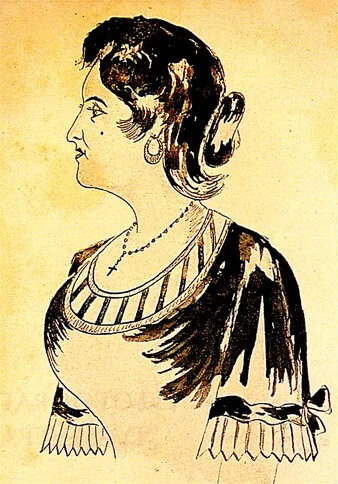
Fado as a distinct musical genre emerged in Lisbon’s Alfama district — the ancient Moorish quarter on the city’s eastern hillside — in the 1830s and 1840s. Its earliest documented figure is Maria Severa Onofriana (c. 1820–1846), a singer and performer in Alfama taverns who is credited as the first famous fadista. Her relationship with the Count of Vimioso, a Portuguese nobleman, made her story a cultural archetype: the beautiful, doomed young woman from the streets of Alfama whose voice embodied raw emotional truth. Maria Severa died at approximately 26 years old and became the defining symbol of fado’s identity — her black shawl worn during performances became the garment that all female fadistas have worn since.
The origins of fado are culturally composite. Musicologists have traced three convergent streams: the Afro-Brazilian lundum (a dance-song form brought to Lisbon from Brazil by sailors, itself derived from Angolan musical traditions); the Portuguese mouraria traditions (the Moorish quarter adjacent to Alfama, which contributed Moorish and North African melodic elements); and the general urban popular song culture of 19th-century Lisbon, fed by migrants from rural Portugal arriving in the city. This synthesis produced a musical form that is entirely Lisbon-specific — fado from Porto (Coimbra has its own academic fado tradition, which is a distinct genre) differs from Lisbon fado in style, repertoire, and social context.
Saudade: The Emotional Core and Global Reach
Saudade is the defining concept of fado — a Portuguese word that UNESCO itself cited in the inscription documentation as central to the tradition’s meaning. It describes a complex emotional state: longing or yearning for something absent, lost, or perhaps never possessed — a person, a place, a time. Saudade is not simple sadness; it contains within it the pleasure of remembering alongside the pain of absence. This ambivalence — the doce tormento (sweet torment) — is what fado gives musical expression to. The greatest fadistas are those who can transmit saudade as a felt experience rather than as a performed emotion.
Fado spread beyond Portugal through emigration and the Portuguese-speaking diaspora — to Brazil, Cape Verde, Angola, Mozambique, and East Timor. It also gained international audiences through recordings, beginning with Amália Rodrigues (1920–1999), who brought fado to concert halls in Paris and New York in the 1950s and 1960s and is regarded as the defining voice of fado’s golden era. Contemporary fadistas including Mariza, Ana Moura, and Camané have continued this international presence. The Coimbra fado tradition — practiced among university students and associated with the academic culture of Portugal’s oldest university — is a parallel but separate tradition; it is not covered by UNESCO’s 2011 inscription, which is specific to Lisbon urban fado.
For the official UNESCO documentation including the full nomination file, periodic reports, and Committee decisions, ich.unesco.org/en/RL/fado-urban-popular-song-of-portugal-00563 is the primary source. For context on the broader ICH system that includes fado alongside flamenco (inscribed at the preceding 5.COM session in Nairobi in 2010) and hundreds of other elements, the UNESCO intangible cultural heritage overview traces the full system from the 2003 Convention to 2025.
Frequently Asked Questions
What year was fado inscribed on UNESCO’s intangible cultural heritage list?
Fado was inscribed on November 27, 2011, at the 6th session of the Intergovernmental Committee for the Safeguarding of the Intangible Cultural Heritage (6.COM) in Bali, Indonesia, under Decision 6.COM 13.39. It holds UNESCO File No. 00563 on the Representative List of the Intangible Cultural Heritage of Humanity.
What instruments define the sound of fado?
Fado is defined by the guitarra portuguesa — a pear-shaped, 12-string cittern unique to Portugal, played with fingerpicks and capable of the rapid ornamentation and vibrato that gives fado its characteristic sound. It is accompanied by the viola baixo (a wire-strung acoustic guitar providing harmonic support). Together, these two instruments constitute the standard fado ensemble alongside the fadista (singer).
What is saudade, and why is it central to fado?
Saudade is a Portuguese word describing a complex emotional state: deep yearning or longing for something absent, lost, or perhaps never possessed. UNESCO explicitly cited saudade as central to fado’s cultural meaning in the 2011 inscription documentation. It is not simple sadness — it contains the pleasure of memory alongside the pain of absence. Fado gives saudade its musical form; the greatest fadistas are judged on their ability to transmit this emotional ambivalence as a felt experience.
Is fado only from Lisbon?
UNESCO’s 2011 inscription covers Lisbon urban fado specifically — “Fado, urban popular song of Portugal” as the official title. Coimbra has its own fado tradition, practiced among the students and academic community of Portugal’s oldest university, which is a distinct genre with different vocal style, instrumentation, and social context. Coimbra fado is not covered by the UNESCO inscription. Porto also has regional popular song traditions, but these are not recognized as fado in the same sense.
Who was the first famous fadista?
Maria Severa Onofriana (c. 1820–1846) is credited as the first famous fadista — a singer in Alfama taverns whose short life and relationship with the Count of Vimioso made her story a defining archetype of fado identity. Her black shawl worn during performances became the traditional garment for female fadistas. She died at approximately 26 years old and remains fado’s founding symbolic figure.