 Representative ListInscribed 2019
Description
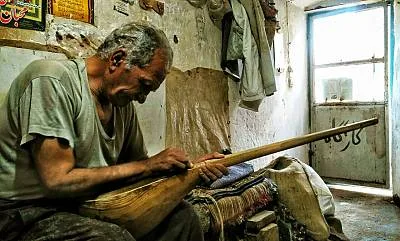
The traditional skills of crafting and playing the Dotār are one of the most prominent social and cultural components of the folkloric music among the ethnic groups and communities of the Dotār regions. Bearers and practitioners are mostly farmers, including male crafters and players and female players. The Dotār is a folkloric plucked musical instrument with a pear-shaped bow crafted with dried wood or mulberry tree, a neck made of apricot or walnut wood, and two strings. Some believe one string is male and functions as the accord, while the other is female, playing the main melody. Performers play the Dotār on important social and cultural occasions such as weddings, parties, celebrations and ritual ceremonies. In recent decades, it has also been played in local, regional, national and international festivals. While playing, the players recount epic, historical, lyric, moral and gnostic narrations that are central to their ethnic history, pride and identity. Traditional knowledge relating to crafting and playing the Dotār is passed on informally through the master-student method, and the element is also present in local oral and written literature, which reflects the history and background of the bearers. The element fosters peaceful co-existence, mutual respect and understanding both among different communities and with neighbouring countries.
Country
IranOther heritage elements in Iran
Representative List · Inscribed 2025Ayeneh-Kari, the art of mirror-work in Persian architectureRepresentative List · Inscribed 2024Nawrouz, Novruz, Nowrouz, Nowrouz, Nawrouz, Nauryz, Nooruz, Nowruz, Navruz, Nevruz, Nowruz, NavruzRepresentative List · Inscribed 2024Ceremony of MehreganRepresentative List · Inscribed 2024Art of crafting and playing rubab/rababRepresentative List · Inscribed 2023Iftar/Eftari/Iftar/Iftor and its socio-cultural traditionsRepresentative List · Inscribed 2023Art of illumination: Təzhib/Tazhib/Zarhalkori/Tezhip/Naqqoshlik
More Representative List elements
Inscribed 2016Almezmar, drumming and dancing with sticksInscribed 2025Arabic KohlInscribed 2008Palestinian HikayeInscribed 2013Mediterranean dietInscribed 2025Antep İşi, drawn thread embroidery of GaziantepInscribed 2025Traditional Saree weaving art of Tangail
Also inscribed in 2019
- Provision of services and hospitality during the Arba'in visitation
- Practices and craftsmanship associated with the Damascene rose in Al-Mrah
- Traditional Turkish archery
- Ak-kalpak craftsmanship, traditional knowledge and skills in making and wearing Kyrgyz men’s headwear
- Gnawa
- Khorazm dance, Lazgi
Data Source: UNESCO Intangible Cultural Heritage · UNESCO listing