 Representative ListInscribed 2024
Description
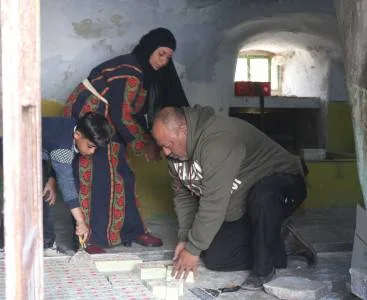
Nabulsi is a hand-crafted soap made in Palestine made from three natural, local ingredients: olive oil, water and lye. The practitioners make the soap after the olive harvest, adding their family’s stamp before packaging it and storing it for one year. Most families in Palestine share the tradition, with both men and women taking part in all stages of the production process and children helping their parents cut and pack the soap. A source of income for practicing families, the craft is passed on through hands-on practice in farms, olive presses and within families and small workshops. It is also taught by organizations, featured in movies, and transmitted through social media networks. The use of olive oil reflects people’s strong relation to nature, and many people use their homemade soap as a personal gift for celebrations such as weddings and birthdays. Often, soap makers give soaps to visitors to take home. The element encourages dialogue while connecting family members and communities.
Country
PalestineOther heritage elements in Palestine
Representative List · Inscribed 2025Arabic KohlRepresentative List · Inscribed 2024Henna: rituals, aesthetic and social practicesRepresentative List · Inscribed 2023Dabkeh, traditional dance in PalestineRepresentative List · Inscribed 2023Arts, skills and practices associated with engraving on metals (gold, silver and copper)Representative List · Inscribed 2022Date palm, knowledge, skills, traditions and practicesRepresentative List · Inscribed 2021Arabic calligraphy: knowledge, skills and practices
More Representative List elements
Inscribed 2021Arabic calligraphy: knowledge, skills and practicesInscribed 2020Al Aflaj, traditional irrigation network system in the UAE, oral traditions, knowledge and skills of construction, maintenance and equitable water distributionInscribed 2008Shashmaqom musicInscribed 2023Dabkeh, traditional dance in PalestineInscribed 2023Traditional knowledge and skills of production of the atlas and adras fabricsInscribed 2022Yaldā/Chella
Also inscribed in 2024
- Henna: rituals, aesthetic and social practices
- Art of crafting and playing rubab/rabab
- Tandir craftsmanship and bread baking in Azerbaijan
- Kebaya: knowledge, skills, traditions and practices
- Breakfast culture in Malaysia: dining experience in a multi-ethnic society
- Myanmar traditional New Year Atā Thingyan festival
Data Source: UNESCO Intangible Cultural Heritage · UNESCO listing