 Representative ListInscribed 2019
Description
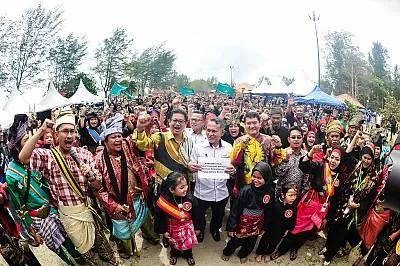
Silat is a combative art of self-defence and survival rooted in the Malay Archipelago. Traced back to the early days of the Langkasuka Kingdom, Silat has evolved into a fine practice of physical and spiritual training also encompassing traditional Malay attire, Silat musical instruments and customs. There are many styles of Silat, inspired by the movements of human anatomy, nature and animals. For example, Silat Harimau involves an aesthetic rhythmic motion imitating the art of self-defence and attack of the tiger. In Malaysia alone, there are more than 150 known Silat styles whose names derive from natural elements such as animals and plants. Originally, Malay Silat was practised by warriors – as noble enforcers of justice – but nowadays practitioners consist of masters, gurus, teachers and students, who are responsible for maintaining the practice. Training sessions usually take place in the evening or at night in an open space such as a courtyard, led by the Master and ‘Jurukaka’. A large number of practitioners have been trained and nurtured, and an increasing number of training centres have been established in various regions. With this accelerated dissemination, the practice has increasingly transcended its status as a martial art to become a performing art; consequently, it is now a popular sport for health and leisure.
Country
MalaysiaOther heritage elements in Malaysia
Representative List · Inscribed 2025PantunRepresentative List · Inscribed 2024Breakfast culture in Malaysia: dining experience in a multi-ethnic societyRepresentative List · Inscribed 2024Kebaya: knowledge, skills, traditions and practicesUrgent Safeguarding List · Inscribed 2023Mek MulungRepresentative List · Inscribed 2021SongketRepresentative List · Inscribed 2020Ong Chun/Wangchuan/Wangkang ceremony, rituals and related practices for maintaining the sustainable connection between man and the ocean
More Representative List elements
Inscribed 2008Shashmaqom musicInscribed 2017Kushtdepdi rite of singing and dancingInscribed 2025Traditional knowledge and skills in making Kyrgyz, Kazakh and Karakalpak yurts (Turkic nomadic dwellings)Inscribed 2023Craftsmanship and performing art of balaban/meyInscribed 2016Mangal Shobhajatra on Pahela BaishakhInscribed 2024Nawrouz, Novruz, Nowrouz, Nowrouz, Nawrouz, Nauryz, Nooruz, Nowruz, Navruz, Nevruz, Nowruz, Navruz
Also inscribed in 2019
- Traditional skills of crafting and playing Dotār
- Provision of services and hospitality during the Arba'in visitation
- Practices and craftsmanship associated with the Damascene rose in Al-Mrah
- Traditional Turkish archery
- Ak-kalpak craftsmanship, traditional knowledge and skills in making and wearing Kyrgyz men’s headwear
- Gnawa
Data Source: UNESCO Intangible Cultural Heritage · UNESCO listing