 Representative ListInscribed 2009
Description
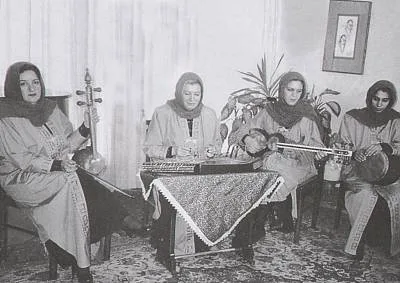
The Radif of Iranian music is the traditional repertoire of the classical music of Iran that forms the essence of Persian musical culture. More than 250 melodic units, called ''gushe,'' are arranged into cycles, with an underlying modal layer providing the backdrop against which a variety of melodic motifs are set. Although the main performance practice of Iranian traditional music unfolds through improvisation according to the mood of the performer and in response to the audience, musicians spend years learning to master the radif as the set of musical tools for their performances and compositions. The radif may be vocal or instrumental, performed on a variety of instruments with different performance techniques including the long- necked lutes ''tār'' and ''setār,'' as well as the ''santur'' hammered zither, ''kamānche'' spike fiddle and ''ney'' reed pipe. Passed from master to disciple through oral instruction, the radif embodies both the aesthetic practice and the philosophy of Persian musical culture. Learning the radif stretches over at least a decade of self devotion during which the students memorize the radif’s repertoire and engage in a process of musical asceticism intended to open the gates of spirituality. This rich treasury lies at the heart of Iranian music and reflects the cultural and national identity of the Iranian people.
Country
IranOther heritage elements in Iran
Representative List · Inscribed 2025Ayeneh-Kari, the art of mirror-work in Persian architectureRepresentative List · Inscribed 2024Nawrouz, Novruz, Nowrouz, Nowrouz, Nawrouz, Nauryz, Nooruz, Nowruz, Navruz, Nevruz, Nowruz, NavruzRepresentative List · Inscribed 2024Ceremony of MehreganRepresentative List · Inscribed 2024Art of crafting and playing rubab/rababRepresentative List · Inscribed 2023Iftar/Eftari/Iftar/Iftor and its socio-cultural traditionsRepresentative List · Inscribed 2023Art of illumination: Təzhib/Tazhib/Zarhalkori/Tezhip/Naqqoshlik
More Representative List elements
Inscribed 2018Chakan, embroidery art in the Republic of TajikistanInscribed 2008Moussem of Tan-TanInscribed 2025DeepavaliInscribed 2022Al Talli, traditional embroidery skills in the United Arab EmiratesInscribed 2023Traditional craft skills and arts of Al-Mudhif buildingInscribed 2016Oshi Palav, a traditional meal and its social and cultural contexts in Tajikistan
Also inscribed in 2009
- Art of Azerbaijani Ashiq
- Karagöz
- Âşıklık (minstrelsy) tradition
- Katta Ashula
- Ramman, religious festival and ritual theatre of the Garhwal Himalayas, India
Data Source: UNESCO Intangible Cultural Heritage · UNESCO listing