 Representative ListInscribed 2009
Description
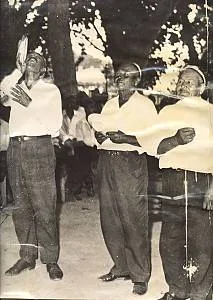
Katta Ashula (literally ‘big song’) is a type of traditional song that forms part of the identity of various peoples of the Ferghana Valley in Uzbekistan, which is also home to Tajiks, Uyghurs and Turks, and of some regions of Kyrgyzstan, Tajikistan and Kazakhstan. An original genre, Katta Ashula combines performing arts, singing, instrumental music, Eastern poetry and sacred rites. It covers a range of subjects, from love to philosophical and theological concepts of the universe and nature, while leaving some room for improvisation. Transmitted orally from master to pupil from one generation to another during a demanding apprenticeship, it is interpreted by a minimum of two and a maximum of five singers. Nowadays, Katta Ashula is an important expression of Uzbek cultural identity that can promote dialogue between cultures. To keep this tradition viable, festivals, contests and various other activities already organized by the Government of Uzbekistan and the local authorities are to be reinforced through the introduction of programmes for transmitting the tradition to young people and research (creation of a database, organization of conferences, publications, etc.).
Country
UzbekistanOther heritage elements in Uzbekistan
Representative List · Inscribed 2025Traditional knowledge and skills in making Kyrgyz, Kazakh and Karakalpak yurts (Turkic nomadic dwellings)Urgent Safeguarding List · Inscribed 2025Art of crafting and playing KobyzRepresentative List · Inscribed 2024Nawrouz, Novruz, Nowrouz, Nowrouz, Nawrouz, Nauryz, Nooruz, Nowruz, Navruz, Nevruz, Nowruz, NavruzRepresentative List · Inscribed 2024Art of crafting and playing rubab/rababRepresentative List · Inscribed 2023Iftar/Eftari/Iftar/Iftor and its socio-cultural traditionsRepresentative List · Inscribed 2023Art of illumination: Təzhib/Tazhib/Zarhalkori/Tezhip/Naqqoshlik
More Representative List elements
Inscribed 2020Pilgrimage to the St. Thaddeus Apostle MonasteryInscribed 2023Dabkeh, traditional dance in PalestineInscribed 2024Breakfast culture in Malaysia: dining experience in a multi-ethnic societyInscribed 2018Heritage of Dede Qorqud/Korkyt Ata/Dede Korkut, epic culture, folk tales and musicInscribed 2024The Epic of Samba GueladioInscribed 2023Garba of Gujarat
Also inscribed in 2009
- Art of Azerbaijani Ashiq
- Karagöz
- Âşıklık (minstrelsy) tradition
- Ramman, religious festival and ritual theatre of the Garhwal Himalayas, India
- Radif of Iranian music
Data Source: UNESCO Intangible Cultural Heritage · UNESCO listing