 Representative ListInscribed 2021
Description
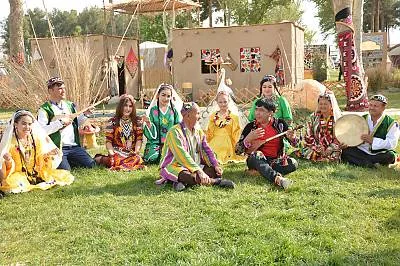
Epic poetry plays a crucial role in the musical and poetic heritage of the Uzbek and Karakalpak people of Uzbekistan. Called dostons, the traditional centuries-old poems are based on myths, legends, folk tales and legendary chants, and address varied themes such as patriotism, commitment, love, friendship and solidarity. Bakhshi refers to the performance of these epic stories and original pieces with the accompaniment of musical instruments including the dombra (a stringed instrument) and the kobuz (a bowed instrument). The storytellers, also called bakhshis, perform the stories from memory, incorporating cultural traditions and practices. Successful bakhshis must have the ability to captivate listeners with their melodies and to narrate stories in an interesting and original way, making creative use of language, word games, proverbs and phrases. They must also be able to recite the long epic poems from memory. Although bakhshis were traditionally men, a group of women bakhshis emerged in the nineteenth century and continues to contribute to the tradition. The practice is passed on within families and through formal bakhshi schools. The art of bakhshi is a vital part of the Uzbek lifestyle, and the storytellers are always welcoming guests in family ceremonies, rituals, public holidays and local festivities.
Country
UzbekistanOther heritage elements in Uzbekistan
Representative List · Inscribed 2025Traditional knowledge and skills in making Kyrgyz, Kazakh and Karakalpak yurts (Turkic nomadic dwellings)Urgent Safeguarding List · Inscribed 2025Art of crafting and playing KobyzRepresentative List · Inscribed 2024Nawrouz, Novruz, Nowrouz, Nowrouz, Nawrouz, Nauryz, Nooruz, Nowruz, Navruz, Nevruz, Nowruz, NavruzRepresentative List · Inscribed 2024Art of crafting and playing rubab/rababRepresentative List · Inscribed 2023Iftar/Eftari/Iftar/Iftor and its socio-cultural traditionsRepresentative List · Inscribed 2023Art of illumination: Təzhib/Tazhib/Zarhalkori/Tezhip/Naqqoshlik
More Representative List elements
Inscribed 2010Traditional skills of carpet weaving in FarsInscribed 2019GnawaInscribed 2008Mevlevi Sema ceremonyInscribed 2009Katta AshulaInscribed 2015Copper craftsmanship of LahijInscribed 2008Moussem of Tan-Tan
Also inscribed in 2021
- Falconry, a living human heritage
- Traditional craft skills and arts of Al-Naoor
- Nomad games, rediscovering heritage, celebrating diversity
- Fjiri
- Durga Puja in Kolkata
- The art of embroidery in Palestine, practices, skills, knowledge and rituals
Data Source: UNESCO Intangible Cultural Heritage · UNESCO listing